
So, you’re wondering just how much damage a chimpanzee can do? The answer isn’t comforting. A chimpanzee can leave you with deep bites, broken bones, and some pretty serious injuries. They’re way stronger than any of us and those teeth? Not something you want to mess with. Their strength, plus their unpredictable moods, means things can go south really fast if a chimp feels threatened.

Chimpanzees might seem playful or even friendly, but they can get aggressive without warning. That unpredictability is a big deal. If you ever find yourself near one, you need to keep your wits about you.
Honestly, it’s worth understanding what makes chimps lash out, how their strength stacks up against ours, and what kind of damage they can actually do. If you’re curious, stick around and let’s dig into what you really need to watch out for.
Understanding the Risks of Chimpanzee Encounters
People usually underestimate just how strong chimps are. Their behavior can flip in a heartbeat.
You’ve got to know what they’re capable of, the types of injuries they cause, and what sets them off if you want to stay safe.
How Strong Are Chimpanzees Compared to Humans?
Chimps have about two to four times the strength of an average adult human, especially in their arms. Some studies even say male chimps can have up to five times the arm strength of a human male.
Their muscles work differently than ours, so they grip harder and pack more power for climbing or fighting.
This kind of strength means they can hurt you badly—and fast. Jane Goodall, who spent years studying them, saw how male chimps use their power to protect their turf and show who’s boss.
If they feel threatened, they don’t hold back. That strength turns into a real danger for anyone nearby.
Common Injuries from Chimpanzee Attacks
If a chimp attacks, bites usually cause the worst injuries. Their teeth can tear through skin, muscle, and sometimes even bone.
These bites bleed a lot and can get infected quickly, so you’d need medical help right away.
Chimps can also scratch, punch, or drag people. Those actions can leave you with bruises, cuts, broken bones, and deep wounds.
Most injuries happen when chimps feel trapped or super stressed, especially around humans or in captivity.
Factors That Trigger Chimpanzee Aggression
Chimps usually lash out when they’re scared, threatened, or feel cornered. If you get too close, move suddenly, or stare them down, they might take it as a challenge.
They’re territorial, so defending their space is a big deal. Stress from captivity or just being too close to people makes them unpredictable.
Jane Goodall noticed that male chimps often act aggressively to protect their group or status. If you follow safety rules—like staying at least 7 meters (23 feet) away and not making eye contact—you’ll lower your chances of trouble.
Chimpanzees in the Wild: Behavior, Safety, and Trekking

Seeing chimps in the wild is honestly incredible, but you’ve got to be careful and show some respect. Knowing how they act and following the rules makes the whole experience safer—and way more enjoyable.
Chimpanzee Behavior in Natural Habitats
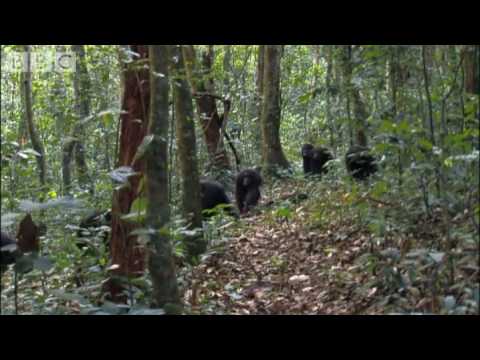
Wild chimps spend their days hunting, playing, and guarding their territory. They live in big groups, called communities, and use gestures, sounds, and faces to talk to each other.
Chimps can be curious, but you never really know what they’ll do next. They might seem playful, then suddenly get aggressive if they feel threatened or stressed.
They’re way stronger than us and can do serious damage if provoked. Their homes are thick forests, where they swing through trees and look for food.
If you want to avoid trouble, give them space. Chimps may attack if they feel cornered.
Safety Guidelines for Chimpanzee Trekking
To keep everyone safe, always stick to trekking rules. Stay at least 7 meters (about 23 feet) away.
Don’t stare directly at them—it comes off as a challenge. Trek in small groups, usually no more than eight people, and always go with trained guides who know chimp behavior.
Move slowly and quietly, so you don’t startle them. Sometimes you’ll need to wear masks to avoid spreading diseases.
Chimps can catch a lot of the same viruses as us, so protecting them means being careful. Trekking trips usually last less than an hour to keep stress down for the chimps.
Listen to your guide and follow their instructions—honestly, it’s the best way to stay safe and keep the experience positive for everyone.
Popular Chimpanzee Trekking Destinations
Uganda’s Kibale National Park and Rwanda’s Nyungwe National Park really stand out as top spots to see chimpanzees in the wild. These parks have dense forests, and the local guides know how to make the trek both safe and genuinely exciting.
In Kibale, you’ll find lush, thick forests where chimps often swing through the trees. Nyungwe has some stunning trails, and you might even catch a glimpse of other animals along the way.
If you’re curious about mountain gorillas, some safaris actually mix chimpanzee trekking with mountain gorilla trekking in nearby areas. Both adventures feel unique, but you’ll want to brush up on the different safety tips for each one.
Honestly, it’s smart to wear sturdy shoes and long clothes—those forests can be rough, and you’ll want to avoid bug bites and scratches.


