
Ever wondered if chimpanzee sperm could actually fertilize a human egg? I mean, humans and chimps share so much DNA, so it’s a fair question. The idea feels like something out of a weird sci-fi movie, but biology rarely follows simple logic.

In reality, chimpanzee sperm can’t fertilize human eggs. Biological and genetic barriers just make it a non-starter. Even though we share about 98% of our DNA with chimps, those small differences are enough to block fertilization.
Learning why this can’t happen really highlights how unique each species is. It also helps clear up some wild myths about mixing human and animal genetics. If you want to dig deeper, check out this article on chimpanzee sperm fertilizing human eggs.
Can Chimpanzee Sperm Fertilize Human Eggs?

Chimpanzee sperm just can’t fertilize human eggs. It comes down to biological, genetic, and honestly, ethical reasons.
Humans and chimps might share a lot of DNA, but their reproductive systems and chromosomes simply don’t match up. Scientists have tried to test this idea, but natural barriers always step in.
Biological Barriers to Cross-Species Fertilization
Sperm and egg cells use specific proteins to recognize each other. It’s like a lock and key—if it doesn’t fit, it doesn’t work.
Chimpanzee sperm fits chimp eggs, and human eggs use different proteins. Because of this, chimp sperm can’t really attach to or get through the shell around a human egg.
The egg’s outer layer acts as a pretty tough barrier, blocking out sperm from other species. Even if, somehow, sperm sneaked in, the next steps would still fail.
Fertilization isn’t just about getting in—there’s a whole series of steps, and chimp sperm can’t complete them with human eggs. These blocks keep cross-species hybrids from happening.
Genetic Differences Between Humans and Chimpanzees
Humans have 23 pairs of chromosomes. Chimps have 24. That might not sound like a big deal, but it’s a huge roadblock.
At some point, two chimp chromosomes fused in humans to make our chromosome 2. Because of that, even if fertilization somehow happened, the embryo’s chromosomes wouldn’t line up right.
Cells would have trouble dividing and developing. This genetic mismatch just stops any hybrid embryo from growing.
So, even though our DNA is similar, it’s just not a match for making a baby.
Scientific Experiments and Evidence
Scientists have actually tried to see if humans and chimps could make offspring. The answer? Nope.
Back in the 1920s, Ilya Ivanov attempted to inseminate female chimps with human sperm, but nothing happened. Later, researchers noticed human sperm could kind of attach to gibbon eggs, but fertilization never occurred.
No one has ever produced a human-chimp hybrid or even a fertilized egg, at least not in any verified experiment. All the evidence points to the same conclusion—chimpanzee sperm can’t fertilize human eggs.
Ethical Considerations in Cross-Species Reproduction
Let’s say, for argument’s sake, that biology wasn’t a problem. Ethics would still slam on the brakes.
Mixing human and chimpanzee reproductive material would open up a whole can of moral questions. People worry about the rights and welfare of any potential hybrids.
Most countries have pretty strict laws banning cross-species fertilization experiments. These rules protect both humans and animals and keep controversial projects from moving forward.
Ethical guidelines make sure reproductive science doesn’t cross certain lines.
Implications and Related Research
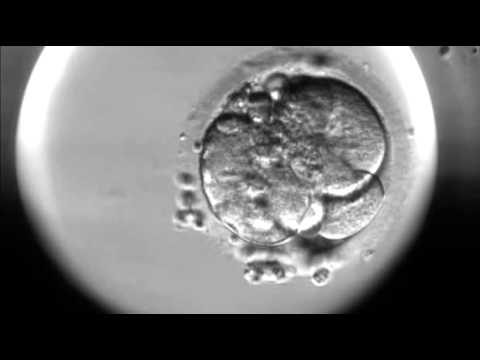
Looking at cross-species fertilization in other animals gives some perspective. Comparing humans and chimps to other primates shows where hybridization really hits a wall.
It’s also worth thinking about what could happen if anyone actually tried cross-breeding.
Hybridization in Other Animals
Some animals do produce hybrids, either in the wild or with human help. Horses and donkeys mate to make mules, for example.
These hybrids usually have chromosomes that match closely enough for fertilization, but they often can’t reproduce. Ligers—a lion and tiger mix—are another rare case.
So, close species sometimes make hybrids, but it’s definitely not common.
Humans and chimps, though, have chromosome structures and numbers that are just too different. That’s why hybrids don’t happen between us, unlike in a few other animals.
Comparisons With Other Primate Species
Sure, humans and chimps share about 98% of their DNA, but that tiny gap causes big problems for fertilization. Some monkeys and apes can produce hybrids because their chromosomes are more alike.
With humans and chimps, though, the mismatch is just too much. The body’s defenses and genetic differences keep monkey or chimp sperm from ever fertilizing human eggs.
These natural blocks keep species lines clear, even between close relatives.
Consequences of Attempted Cross-Breeding
Mixing chimpanzee sperm with human eggs? That idea brings up a lot of ethical and scientific questions. If someone tried it, they’d risk causing animal suffering, legal chaos, and a mess of issues about identity and rights.
Back in the 1920s, researchers tried these kinds of experiments. They didn’t succeed—nature just put up some pretty tough biological barriers.
Laws and ethical rules usually step in to block these experiments. The goal is to protect both human dignity and primate welfare.
Anyone even thinking about cross-species fertilization should pause and consider these risks. For more details about why hybrids just aren’t possible, check out chimpanzee sperm fertilizing human eggs explained.


