
Cheetahs are fascinating and graceful creatures, known for their incredible speed and hunting skills. You might wonder if these big cats ever see humans as prey. In fact, cheetahs do not hunt or attack humans, and there are no documented cases of wild cheetahs killing people.

While some might consider them dangerous, cheetahs generally prefer to avoid humans. Their hunting focus is primarily on smaller animals like gazelles and other herbivores.
It’s much more common for larger predators, like lions or tigers, to pose risks to humans in the wild.
Understanding cheetahs helps you appreciate their role in the ecosystem. These incredible animals are not a threat to you, so you can enjoy learning about them without fear.
Understanding Cheetah Behavior
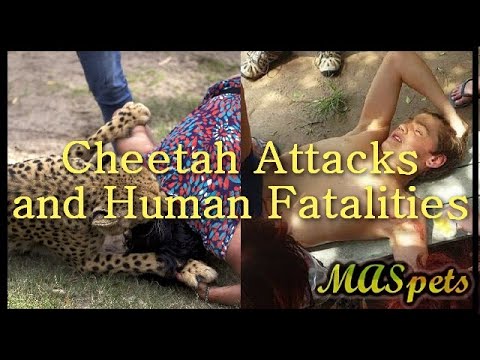
Cheetahs have unique behaviors that define their hunting habits and their interactions with humans. Their natural instincts guide them toward specific prey, while their temperament influences their reactions to potential threats.
Natural Prey Preference
Cheetahs primarily hunt small to medium-sized ungulates. This includes animals like gazelles and impalas. They rely on their incredible speed, capable of reaching 60 to 70 miles per hour, to chase down these swift creatures.
Cheetahs do not consider humans as natural prey. Human flesh is not part of their diet, reducing the likelihood of attacks.
Rare instances where a cheetah interacts with a human are usually tied to self-defense or mistaken identity rather than predation.
Least Aggressive Big Cat
Among big cats, cheetahs are known to be the least aggressive. They tend to avoid confrontations unless necessary.
This behavior can be linked to their survival strategy, which focuses on speed rather than strength.
Cheetahs often prefer to flee rather than fight. This trait makes them less of a threat to humans. They are more inclined to steer clear of human populations and instead hunt in open areas where they can safely pursue their natural prey.
Cheetahs play a crucial role in their ecosystem by controlling ungulate populations, which helps maintain a balance in their habitat.
Cheetah’s Hunting Techniques

Cheetahs are fascinating hunters known for their incredible speed and unique strategies. Their hunting techniques allow them to pursue and catch prey effectively, primarily focusing on smaller animals like impalas and gazelles.
Speed and Agility
Cheetahs are celebrated as the fastest land animals, capable of reaching speeds up to 60 to 70 miles per hour in short bursts. This amazing speed comes from their long, slender bodies and large nasal passages that allow for greater oxygen intake.
To maintain such speed, they have strong, flexible spines and special adaptations in their leg muscles.
When stalking prey, a cheetah can sprint for about 20 to 30 seconds before tiring. Their agility is remarkable as they make sharp turns to follow fleeing prey, which is essential during a chase.
Hunting Patterns and Prey
Cheetahs usually hunt during the day, relying on their keen eyesight to spot prey from a distance. They prefer to hunt alone or in small family groups, and their main targets include impalas and gazelles.
The hunting process is a two-step strategy. First, you will often see them stalk their target, using grass and terrain for cover from about 100 to 200 meters away.
Once close enough, they initiate a rapid chase, relying on their speed and agility to capture prey.
This combination of stealth and quick bursts of energy is what makes cheetahs such effective hunters in the wild.
Comparative Analysis of Predator Behavior

Understanding how different big cats behave as predators can give you insight into their hunting strategies. Each species has unique traits that influence their interactions with prey and their environment.
Cheetahs vs. Other Big Cats
Cheetahs are known for their incredible speed. They are built for short bursts of high speed, allowing them to chase down nimble prey like antelope.
In contrast, other big cats, such as leopards and tigers, rely on strength and stealth rather than speed.
For instance, leopards often use trees to ambush prey, while tigers are powerful swimmers and can take down larger animals.
This difference in hunting techniques means that cheetahs rarely compete directly with these predators.
Cheetahs typically hunt alone or in small groups, whereas jaguars and tigers may hunt solo or in family groups.
While some big cats, like the man-eating tigers, may occasionally pose a threat to humans, cheetahs generally avoid human interaction.
Wild Animal Encounters
Wild animal encounters vary greatly depending on the species. Cheetahs are generally shy and avoid confrontations with humans. In most cases, you will find them fleeing rather than engaging.
On the other hand, animals like leopards may show more curiosity but still tend to avoid humans.
When it comes to jaguars, they can be more aggressive if they feel threatened.
In regions where wild cheetahs live, the risk of human encounters remains low.
While some big cats can adapt to living near human populations, cheetahs do not typically seek out these interactions. Each species knows its niche, and understanding these behaviors can help you appreciate the complexities of wild animal life.
Safety and Prevention Measures

Staying safe around cheetahs involves understanding their behavior and supporting their conservation.
While these animals are not typically aggressive towards humans, there are important steps you can take to minimize any potential risk.
Avoiding Cheetah Attacks
Cheetahs are known as the friendliest big cat and generally do not pose a serious threat to humans.
To avoid any chance of an encounter, stay at a safe distance if you see one in the wild.
Make sure to never approach or feed them, as this can lead to unexpected behavior.
When out in cheetah habitats, avoid walking alone and travel in groups.
Keeping noise levels moderate helps alert wildlife to your presence, allowing them to move away.
If you encounter a cheetah, back away slowly without turning your back. This way, you can avoid startling them and potentially causing a defensive reaction.
Cheetah Conservation Efforts
Supporting cheetah conservation is an important way to help these animals thrive and reduce human-wildlife conflicts. Organizations work to implement anti-poaching measures and preserve natural habitats. You can get involved by donating to or volunteering with such groups.
Education is vital. Learning about cheetah behavior helps spread awareness. By sharing information about their non-aggressive nature and role in the ecosystem, you can help shift perceptions. Promoting projects that ensure safe spaces for cheetahs and their prey leads to a harmonious existence between humans and wildlife.


