
Ever wondered if bees in the UK actually sting? The answer’s yes, but here’s the thing—not all of them do. Honey bees and bumblebees are the main ones you should pay attention to.
Honey bees usually sting only if they feel really threatened. Bumblebees? They can sting more than once, but honestly, they’re usually pretty chill.

Knowing which UK bees can sting helps you stay safe without unnecessary worry. Most bees just want to go about their day and only use their sting to protect themselves or the hive.
Once you get this, it’s easier to relax around these little pollinators.
You might be surprised how avoidable most bee stings in the UK actually are. With a few simple precautions, you can steer clear of trouble.
Let’s look at how to spot stinging bees, why they sting, and what to do if you get stung.
Do UK Bees Sting?
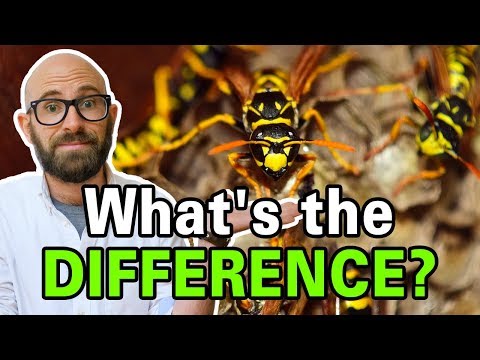
Bees in the UK spend most of their time pollinating plants and don’t really want to bother people. Only some species sting, and they usually do it if they feel threatened.
If you know which bees can sting and how, you’ll be able to appreciate them without worry.
Which UK Bees Can Sting?
The honey bee (Apis) is the most common UK bee that stings. Their barbed stingers get stuck in your skin when they sting, which leads to the bee dying.
Bumblebees can also sting. Unlike honey bees, they have smooth stingers and can sting multiple times without hurting themselves.
You’re less likely to get stung by bumblebees, though. They usually leave people alone unless seriously provoked.
Some solitary bees, like carpenter bees (Xylocopa), can sting too, but they’re usually calm and just want to avoid people.
A lot of folks mix up bees and wasps, but wasps sting more often and act more aggressively.
Which Bees Do Not Sting?
Many UK bee species can’t sting at all. Male bees don’t have stingers, even if they sometimes act a bit defensive.
There are some stingless bees, though they’re rare in the UK and more common elsewhere.
Many solitary bees, like mason bees, either don’t have stingers or simply don’t use them. They’d rather focus on pollinating than picking fights.
If you know which bees can’t sting, you might feel less anxious when one buzzes nearby. These harmless bees do a lot for the environment.
How and Why Bees Sting
Bees mainly sting to defend themselves or their hive. When honey bees sting, they release an alarm pheromone that tells other bees there’s trouble.
If you get stung near a hive, it’s a good idea to leave quickly. More bees might show up if they smell that pheromone.
Honey bees have barbed stingers, so when they sting a person or mammal, the stinger stays in the skin. The bee usually dies because the stinger and venom sac get pulled out.
Bumblebees don’t have barbed stingers, so they can sting as many times as they want without hurting themselves.
Bee venom causes pain and sometimes swelling. On the sting pain index, honey bee stings are moderate—worse than some bugs, but not the worst out there.
Bees only sting as a last resort. They’re not out to get you.
Bee Sting Reactions and Safety

Bee stings cause different reactions depending on your body. Most stings just hurt and heal up fast, but some people need medical help.
It’s important to know how your body reacts and how to treat a sting.
Typical Responses to a Bee Sting
If a bee stings you, you’ll probably feel a sharp pain right away. The area might burn or itch for a bit.
Redness and swelling can show up and last a day or two. Most people just get a small bump or itching.
A topical steroid cream or antihistamine cream can help reduce the itching and swelling. The venom (apitoxin) contains melittin, which is what causes the pain.
If you’re a beekeeper or spend time at an apiary, you’ll probably get stung at some point. Most stings from UK bees, wasps, or hornets can be treated at home with creams and painkillers.
Severe and Allergic Reactions
Some people have a severe allergic reaction called anaphylaxis after a bee sting. This is serious and needs emergency care.
Look out for swelling of the face or throat, trouble breathing, dizziness, or a rapid heartbeat.
If you’ve had a bad reaction before, you might carry an epipen. Use it right away if you need to—it can save your life.
Wasp and hornet stings can cause similar issues. If you notice these symptoms after a sting, call emergency services right away.
These reactions can get worse quickly, so don’t wait.
First Aid and Prevention
If a bee stings you, try to get the stinger out as fast as you can by scraping it off with your fingernail or a card. Don’t squeeze it though—doing that just pushes more venom in.
Wash the spot with soap and water. That helps keep infection away.
Grab a cold pack and hold it on the sting to ease the pain and swelling. You might want to use over-the-counter painkillers or slap on some antihistamine cream if it’s really bothering you.
If you know you’re allergic, don’t wait—use your epipen right away, just like your doctor told you.
Want to avoid getting stung in the first place? Skip the bright clothes and strong perfumes. Bees seem to love those.
Try to move calmly around them, and steer clear of their hives. If you’re doing any beekeeping, definitely wear your protective gear—it’s just not worth the risk.
Curious for more info on bee sting safety or reactions? Check out Do UK Bees Sting? What You Need to Know About Their Behavior.


