
Rats can totally live in your sofa, especially if it feels cozy and dark enough for them. Sofas create perfect hiding spots where rats feel safer from threats, which honestly makes them a pretty attractive place to nest.
If you start hearing weird noises, smell something off, or spot damage to your furniture, you might be dealing with rats making your couch their home.
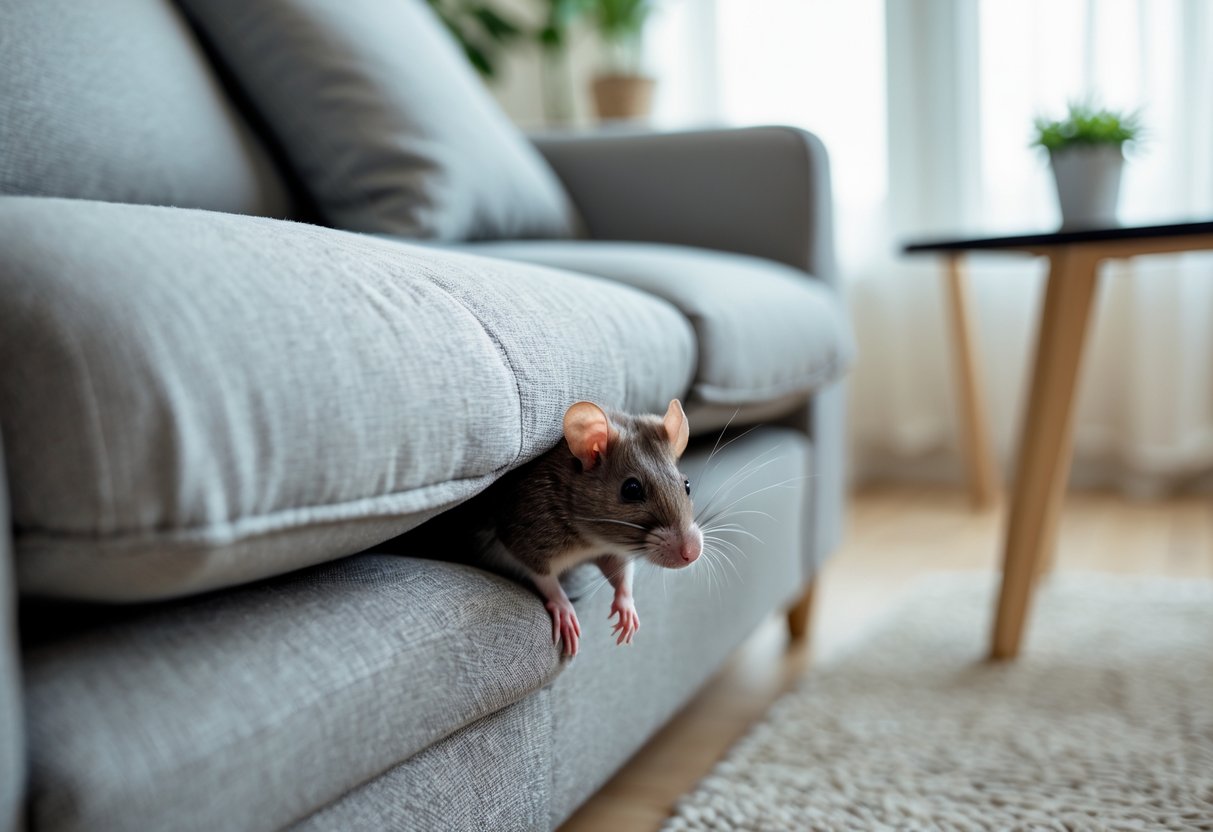
These creatures climb well and can get into places you probably wouldn’t expect, including inside or underneath your sofa. If you know what signs to look for, you can catch a rat problem early—way before it turns into a headache.
Ever wonder why rats pick sofas in the first place? Understanding their reasons lets you protect your home and keep your furniture in better shape.
You might ask yourself if rats are really living in your couch or just passing through. Look for droppings, odd smells, or even changes in how your pets act.
This article walks you through the signs and what you can do if you find rats in your sofa. If you’re curious for more, check out what experts say about rats hiding in couches.
Can Rats and Other Rodents Live in Sofas?

Rats, mice, and other rodents love sofas as hiding spots. Sofas offer warmth, a bit of safety, and sometimes easy access to food, making them ideal for rodents to settle in.
If you know why rodents choose sofas, how rats and mice act differently, and what health risks come with it, you can protect your space a lot better.
Why Sofas Attract Rats and Mice
Sofas give rodents soft, warm, and dark places to hide. Rats and mice always look for cozy spots to build nests.
If your sofa has crumbs, pet food nearby, or sits close to clutter, it becomes even more appealing. Rats, being stronger, chew through tough materials to get inside.
Mice, since they’re smaller, squeeze into tiny gaps in the fabric or cushions. Both types like sofas near walls or raised off the floor where they feel safer.
If your sofa’s in a room near an attic or close to outdoor furniture, you should watch out. These spots can attract rodents too.
Keep the area clean and remove food scraps to lower the chance of rodents moving in.
Differences Between Rats and Mice in Furniture
Rats and mice both live in furniture, but they don’t act the same way. Rats usually stick to lower areas of the home and, since they’re bigger, nest in the sofa base or under cushions where they can really hide.
Mice, being tiny, fit into tighter spaces inside the sofa. They often chew holes in the fabric and use the stuffing for nests.
Mice reproduce fast, so a small problem can become a big one before you know it. Rats usually stay in groups, while mice start off alone or in small family units.
Figuring out which rodent you’re dealing with helps you decide how to handle things.
Health Risks of Rodents in the Sofa
Having rats or mice in your sofa isn’t just gross—it can actually be a health risk. Rodents carry diseases like hantavirus and leptospirosis, which you can catch if you touch their droppings, urine, or nesting stuff.
They spread bacteria like Salmonella too, which can contaminate places you use every day. That’s especially risky if you’ve got kids or pets.
Rodents chew wires inside or near furniture, which can cause fire hazards. Check your home—especially around sofas—for droppings or weird smells to prevent these risks.
If you want more info on why rats hide in sofas and what to do, check out the rat dilemma in your sofa.
Signs of Rodents in Your Sofa and How to Handle Them

If you think rodents might be living in your sofa, there are some clear signs you should watch for. Paying attention to these clues helps you spot the problem early and do something about it.
Detecting Rodent Droppings and Urine
You’ll usually spot rodents in your sofa by finding droppings. Mouse droppings are small, dark, and shaped like pellets.
Rat droppings are bigger but look about the same. Check around and under the cushions for these.
You might also notice a strong, nasty smell. That’s mouse urine, and it can be tough to get rid of—not to mention, it might contain harmful bacteria.
If you pick up on that odor, rodents are probably nearby. Always wear gloves and clean droppings with disinfectant.
Don’t stir up dust, since it could be dangerous.
Spotting Gnaw Marks and Holes
Rats and mice love to chew on furniture legs, fabric, or wooden parts of your sofa. You’ll probably see small holes or frayed edges where they’ve gnawed.
This kind of damage looks like clean cuts or scratches. It’s a big sign rodents are living inside or near your sofa.
Chewing keeps their teeth sharp, so unfortunately, it happens a lot. Look for tiny holes in corners or where fabric meets wood.
Those spots might be entry points for rodents.
Noticing Scratching Noises and Movement
Rodents inside your sofa make noises you might hear, especially at night. Scratching, scurrying, or faint squeaks usually come from running or nesting.
If you sit quietly near the sofa and listen, you might catch these sounds. Sometimes you can even feel movement, like a light rustling.
Your pets might act weird if they sense rodents. Watch for things like sudden barking or scratching near the furniture.
Steps to Get Rid of Rodents in Sofas
Start by putting mouse traps near or under your sofa. I’d go with peanut butter or little bits of fruit for bait since rodents can’t seem to resist those.
Snap traps work fast and get the job done, but if you’d rather not harm them, humane traps let you catch and release the rodents somewhere far away.
Seal up any holes or cracks you find around your home so new rodents can’t sneak in. Keep food in sealed containers and make sure areas stay clean—less mess, fewer rodents.
Try using natural deterrents like peppermint oil around your sofa. If things get out of hand, you might want to call a professional pest control service.
Once you’ve gotten rid of the rodents, clean your sofa really well to get rid of any urine smell or germs. Grab some disinfectant and make the area safe again.


