
Raccoons are fascinating creatures that often live close to humans, which raises important health questions. Many people wonder about the risks these animals pose, particularly concerning rabies. Yes, raccoons still carry rabies, and this is a significant public health concern. Understanding how rabies affects raccoons can help you take the right precautions.

Raccoons are among the primary carriers of rabies in North America. Their ability to transmit the virus underscores the importance of being cautious around wildlife. While not all raccoons are infected, it’s crucial to recognize the symptoms and risks associated with these animals in your area.
By staying informed, you can help protect yourself and your loved ones from potential exposure.
Understanding Rabies and Its Impact

Rabies is a serious viral infection that affects both animals and humans. It is critical to grasp how this disease spreads and its effects on those infected. With a clear understanding, you can take the necessary steps to stay safe.
What Is Rabies?
Rabies is caused by the rabies virus, which is classified as a zoonotic disease. This means it can be transmitted from animals to humans. The virus is usually spread through bites or scratches from an infected animal. Common carriers include raccoons, bats, foxes, and skunks.
Once the virus enters the body, it travels to the brain. This process may take weeks or months.
Symptoms typically begin with fever, headache, and fatigue. As the infection progresses, you might notice more severe signs such as confusion, dehydration, and hallucinations. Without treatment, rabies can lead to death.
How Rabies Affects Animals and Humans
In animals, rabies can cause drastic behavior changes. Infected raccoons may seem aggressive, disoriented, or lose the ability to swallow. You might also observe unusual foaming at the mouth.
For humans, the effects can be devastating. Early treatment is crucial. When symptoms appear, rabies is nearly always fatal. Vaccination after exposure can prevent the disease. If bitten by a raccoon or any wild animal, seek medical attention immediately. Recognizing the signs and understanding the risks associated with rabies is essential for your safety.
Raccoons as Carriers of Rabies

Raccoons can be carriers of rabies, and it’s important to know how to identify potential signs and assess the risks. Understanding their behavior, especially when they are rabid, can help you stay safe.
Raccoon Behavior and Indicators of Rabies
When raccoons become infected with rabies, their behavior can change dramatically. You might notice aggressive behavior or signs of disorientation. A rabid raccoon may approach humans without fear and could even act erratically.
Look for abnormal behaviors, such as issues with coordination or lack of response to noises. Rabid raccoons may also show unusual patterns like being active during the day, since they are typically nocturnal animals. If a raccoon seems confused or lethargic, these can also be signs of rabies.
Other indicators include excessive salivation or foaming at the mouth. If you spot any of these symptoms, it’s crucial to stay at a safe distance.
Assessing the Risk of Rabies from Raccoons
The risk of encountering a rabid raccoon can vary by area. Raccoons are known to be one of the most common carriers of rabies in the U.S. If you live in an area where cases have been reported, stay vigilant.
Be careful if you encounter a raccoon, especially if it seems sick or unsteady. Avoid feeding raccoons, as this can encourage them to come closer. Remember, even a minor encounter like a raccoon bite can pose a risk of rabies transmission.
If you think you have been bitten or scratched, seek medical advice immediately. It’s always better to be safe and take precautions when it comes to potential rabies exposure.
Prevention and Control Measures
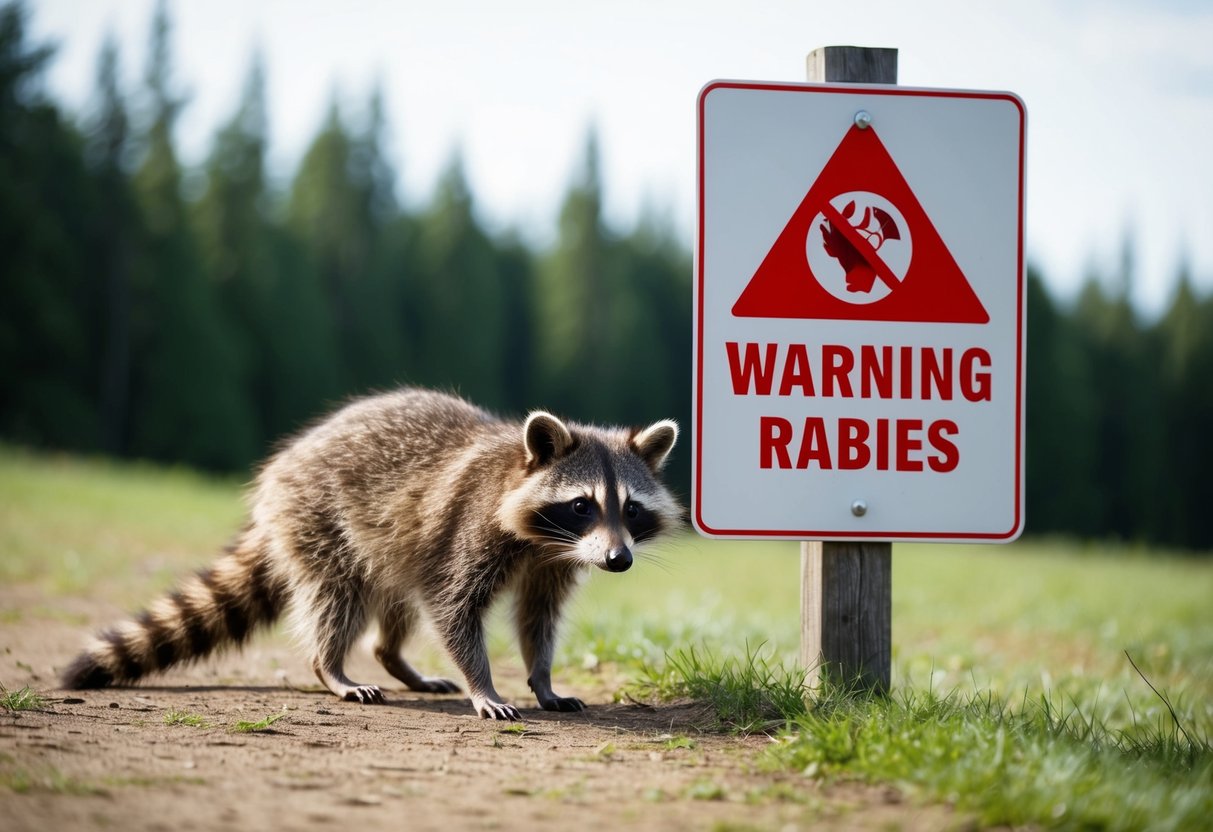
To manage the risk of rabies, it’s essential to focus on vaccination and effective animal control strategies. These measures help protect both public health and the environment from rabies exposure.
Rabies Vaccination and Its Importance
Getting your pets vaccinated against rabies is a vital step in preventing the disease. The rabies vaccine is safe and effective, helping to protect your pet from infection. According to the CDC, vaccinations for dogs and cats should be kept up-to-date.
If your pet is bitten by a wild animal, post-exposure prophylaxis may be necessary. This involves additional doses of the rabies vaccine to prevent the virus from taking hold.
Regular vaccination can also reduce rabies cases in wildlife populations, which is important because raccoons often act as carriers of the virus.
Role of Animal and Wildlife Control
Animal and wildlife control plays a key role in rabies prevention. Local authorities often monitor populations of raccoons and other wildlife to identify any signs of rabies outbreaks. When an animal is suspected to have rabies, it is important to contact your local animal control agency immediately.
Educating the community about avoiding contact with wild animals can further reduce rabies exposure. Keeping trash secured and not feeding wild animals helps deter them from residential areas. These strategies contribute to a safer environment and lower the risk of rabies infection.
Responding to Rabies Exposure

Knowing how to respond if you experience a raccoon bite or potential exposure to rabies is vital for your safety. Quick action can significantly reduce health risks associated with rabies transmission.
What to Do If Bitten by a Raccoon
If you’re bitten by a raccoon, remain calm and assess the situation. First, wash the wound thoroughly with soap and water for at least 15 minutes. This step is crucial as it helps to remove the virus from the surface of the skin.
After cleansing the wound, apply an antiseptic and cover it with a clean bandage.
Next, seek medical attention promptly. Explain the incident to your healthcare provider, including any details about the raccoon’s behavior, like foam around the mouth, which may indicate rabies.
They will evaluate you for risk and may recommend post-exposure prophylaxis to help prevent rabies.
Remember, timely medical care is key, as rabies cases can become serious if not addressed.
When to Seek Post-Exposure Prophylaxis
Post-exposure prophylaxis (PEP) is essential after potential rabies exposure. Seek PEP if a raccoon bites you or if you were in close contact with a raccoon that behaves abnormally or appears sick.
Your healthcare provider will assess factors such as the severity of the bite, the behavior of the raccoon, and the local rabies risk. PEP typically includes a series of rabies vaccinations.
Receiving these vaccinations quickly is crucial. They are most effective when administered soon after exposure. Delaying treatment increases your risk of developing rabies, which is a significant public health concern.
By acting promptly and following these guidelines, you can protect yourself from rabies and its serious consequences.


