
Rabbits are playful and social animals that need plenty of stimulation to stay happy and healthy. Rabbits can get bored in their cage if they do not have enough things to do. This boredom can lead to stress and unwanted behaviors, like cage rattling or chewing on their surroundings.

To keep your rabbit entertained, it’s important to provide various toys, tunnels, and safe things to chew. Making their environment engaging helps them express their natural behaviors, like hopping and exploring. Keeping your rabbit mentally and physically active will ensure they live a happier life.
Understanding your rabbit’s behavior can help you create a more enjoyable space for them. When you know the signs of boredom, you can take steps to enrich their environment. This blog post will explore how to recognize boredom in your rabbit and offer tips to keep them engaged and lively.
Understanding Rabbit Behavior and Social Needs
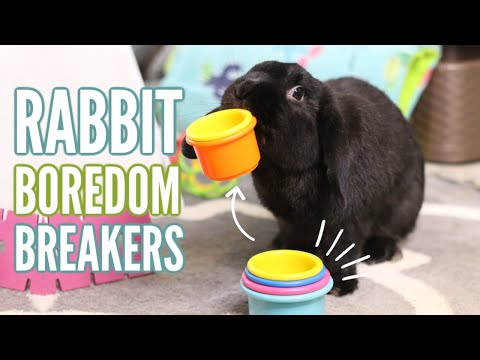
Rabbits are social creatures that need interaction and space to thrive. Understanding their behavior and body language is key to meeting their needs and keeping them happy.
Social Animals: The Importance of Companionship
Rabbits are naturally social animals. In the wild, they live in groups called colonies. This social nature means they crave companionship. If you have a single rabbit, consider getting another rabbit as a friend. This can help reduce feelings of loneliness and boredom.
When rabbits bond, they often groom each other, play, and cuddle. These behaviors are signs of happiness and connection. Remember, it’s important to introduce rabbits to each other slowly to ensure they get along. Always monitor their interactions during the introduction phase.
Rabbit Body Language and Behavioral Signs
Understanding rabbit body language can help you know how your pet feels. For example, if your rabbit thumps its back feet, it may be feeling scared or annoyed. Ears held upright indicate curiosity or alertness, while ears flattened back can signal fear or aggression.
Another important behavior to watch is digging. While some digging is normal, excessive digging can be a sign that your rabbit is bored or stressed. You can provide toys or tunnels to satisfy their digging instinct.
Also, pay attention to their grooming habits. Rabbits that groom themselves frequently are usually content, while those that stop grooming may need more social interaction. Recognizing these signs will help you keep your rabbit happy and engaged.
Creating a Stimulating Environment Inside the Cage

A stimulating environment is essential to keep your rabbit happy and engaged. Bored rabbits can become destructive, so it’s important to incorporate toys and structural variations into their cage. Below are effective ways to create a lively atmosphere that supports your rabbit’s natural behaviors.
The Role of Toys and Play in Combating Boredom
Toys are vital for your rabbit’s mental and physical health. Providing a variety of toys can keep them entertained and help prevent boredom.
Here are some toy ideas:
- Chew Toys: Made from safe materials like wood or cardboard, they satisfy their natural chewing instincts.
- Ball Toys: Balls with bells or treats inside can encourage active play.
- Hide-and-Seek Toys: Boxes with holes let your rabbit explore and hide, promoting curiosity.
Rotate toys regularly to maintain interest. This keeps your rabbit mentally stimulated and encourages exercise. When your rabbit plays, it not only helps with boredom but also promotes a healthier lifestyle.
Structural Variations: Platforms and Hideouts
Adding platforms and hideouts in your rabbit’s cage can create a fun and enriching space. Rabbits enjoy hopping up and down, which mimics their natural behaviors.
Consider these ideas for structures:
- Multi-Level Platforms: Create height differences for climbing and jumping.
- Tunnels: Use cardboard or plastic tunnels to encourage exploration.
- Hiding Spots: Boxes or igloos made of safe materials can give your rabbit a cozy retreat.
Make sure all structures are secure and stable to prevent accidents. This setup not only entertains your rabbit but also supports their instincts to explore and burrow. Your rabbit will appreciate the effort you put into creating a dynamic environment!
Interaction and Engagement Outside the Cage

To keep your rabbit happy and active, it’s essential to provide plenty of interaction and engagement outside their cage. This includes regular playtime and exercises, as well as fun training activities that stimulate their minds. Let’s explore how these activities can help prevent boredom.
Regular Playtime and Exercises
Your rabbit needs at least 2-4 hours of playtime outside their cage every day. This time allows them to stretch, hop, and explore.
Consider creating a safe play area where your bunny can freely roam. Use pens or gates to secure the space.
Here are some fun ideas for playtime:
- Tunnels: Rabbits love to crawl through tunnels. You can use cardboard or buy pet tunnels.
- Toys: Offer various toys like chew toys, balls, or stuffed animals. Rotate them to keep things fresh.
- Obstacle courses: Set up small challenges using items like boxes and ramps to encourage your bunny to jump and explore.
These activities help to keep your rabbit active and engaged, reducing the chance of being a bored bunny.
Training and Mental Stimulation Activities
Bunnies enjoy learning new tricks and tasks! Teaching your rabbit commands, like “come” or “sit,” can be a great way to bond.
Use clicker training for best results. It provides clear feedback. Here are some activities to try:
- Foraging games: Hide treats in a pile of hay or use foraging toys to encourage sniffing and digging.
- Interactive toys: Puzzle feeders can keep your bunny busy. They must figure out how to get the treats!
- Social interaction: Spend time petting and talking to your bunny. This social engagement helps them feel secure and loved.
These activities stimulate your rabbit’s mind and help develop a strong bond between you and your pet.
Identifying and Addressing Boredom in Rabbits

If you notice your rabbit acting differently, it could be a sign of boredom. Rabbits can show their boredom in various ways. Here are some common signs to look for:
- Chewing on fur: This might mean your rabbit is bored or stressed.
- Lack of interest in toys: If your rabbit ignores their toys, they may need new stimulation.
- Excessive digging or scratching: This behavior might indicate they want to explore more.
To address boredom, you can take several steps:
- Provide more space: Make sure your rabbit has enough room to hop and explore. A larger cage or play area can help.
- Add toys: Rotate toys regularly to keep your rabbit engaged. Try chew toys, tunnels, and puzzle feeders to keep things interesting.
- Social interaction: Spend time with your rabbit daily. They are social animals and enjoy your company. Consider getting another rabbit for companionship.
Consider your rabbit’s personality, too. Some may prefer solo play, while others thrive with a buddy. By recognizing the signs of boredom and taking action, you can help keep your rabbit happy and healthy.
For more tips on keeping your rabbit entertained, check out How Do Rabbits Behave When They’re Bored?.


