
You might think pet skunks always stink. But honestly, that’s not exactly true.
Most pet skunks don’t smell unless they get scared or feel threatened enough to spray. Unlike wild skunks, a lot of pet skunks have had their scent glands removed, so you’ll rarely catch that strong, infamous odor.

If you’re curious about what living with a skunk is actually like, or you’re worried about your house smelling, you’re definitely not alone. Let’s talk about why pet skunks don’t always stink up the place and what you should expect if you decide to bring one home.
Understanding Skunk Odor in Pet Skunks

Skunk odor is legendary for being strong and tough to remove. But with pet skunks, things aren’t always what you’d expect.
How much a pet skunk smells really depends on how people raise and care for them. Not all pet skunks are as smelly as wild ones, and a few different things can affect their scent.
Why Skunks Smell
Skunks use special glands near their tail to spray a smelly liquid for protection. These glands release chemicals called thiols, which honestly smell like rotten eggs or burnt rubber.
That powerful, lasting smell warns predators to stay away. Skunks don’t spray for no reason—they do it when they feel scared or threatened.
So unless your pet feels really upset, you probably won’t have to worry about that strong odor.
Do Pet Skunks Spray Like Wild Skunks?
Most pet skunks you’ll find are born in captivity, and people often have their scent glands removed—a process called descenting.
Because they can’t spray that foul-smelling liquid, pet skunks usually don’t stink up your home or your clothes.
If a skunk still has its scent glands and gets scared or feels sick, it might spray. Keeping your pet calm and relaxed around people helps prevent those accidents.
Factors Influencing Odor in Domesticated Skunks
Even without spraying, pet skunks have a natural scent, but honestly, it’s not that strong or unpleasant. A skunk’s diet, age, and health can change how much it smells.
Feeding certain foods can make a skunk’s natural odor stronger.
Older skunks might have a more noticeable scent.
If your skunk feels stressed or gets sick, you could notice a stronger smell.
Regular cleaning and good hygiene help keep the smell mild. If you want more details, here’s a helpful guide on do pet skunks stink.
Managing and Removing Skunk Smell from Pets
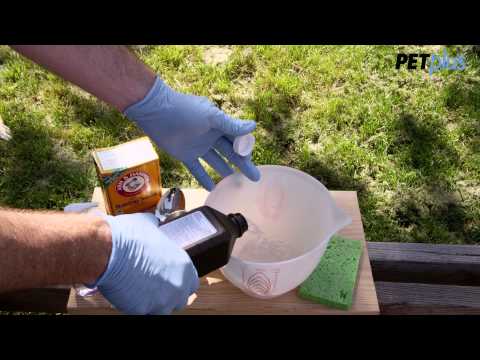
If your pet gets sprayed, you’ve got to act fast to cut down that strong, lingering odor. Using the right cleaning tricks and products can make a huge difference.
Sometimes, you might need help from professionals if the smell just won’t quit.
Immediate Steps to Remove Skunk Smell
First, figure out where your pet got sprayed. If the spray hit their eyes, rinse them gently with cool water as soon as you can.
Next, mix up a cleaning solution with:
- 1 quart of 3% hydrogen peroxide
- 1/4 cup baking soda
- 1 teaspoon mild liquid detergent
Don’t let this sit too long, or it could bleach your pet’s fur. Wear gloves and old clothes, and if you can, wash your pet outside so the smell doesn’t get in your house.
Rinse your pet well and repeat if you need to.
After rinsing, use a pet-safe shampoo to wash away any leftover solution. Dry your pet with an old towel and give their fur a good brush.
Popular Odor Removal Products and Remedies
You can find shampoos made just for removing skunk odor at pet stores and online. These products break down the sulfur compounds in skunk spray better than most home remedies.
If you don’t have a special shampoo, the hydrogen peroxide and baking soda mix works best right after you make it. Don’t bother with tomato juice—it’s messy and honestly doesn’t do much.
For clothes that still smell, toss in half a cup of baking soda with your laundry detergent.
Professional Grooming Services for Skunk Odor
If that stubborn smell just won’t quit, you might want to take your pet to a professional groomer. These folks use stronger, pet-safe cleaning products and know exactly how to handle tough odors.
Give the groomer a call before you show up. Letting them know what’s going on helps them prep and keeps things running smoothly.
A pro can really make a difference, especially if your pet got sprayed pretty badly or if the smell’s starting to take over your house.


