
You’ve probably heard that opossums carry rabies, right? Honestly, that’s mostly a myth. Opossums rarely get rabies because their body temperature is too low for the virus to thrive.
It’s not impossible, but rabies in opossums is really uncommon compared to other wild animals.
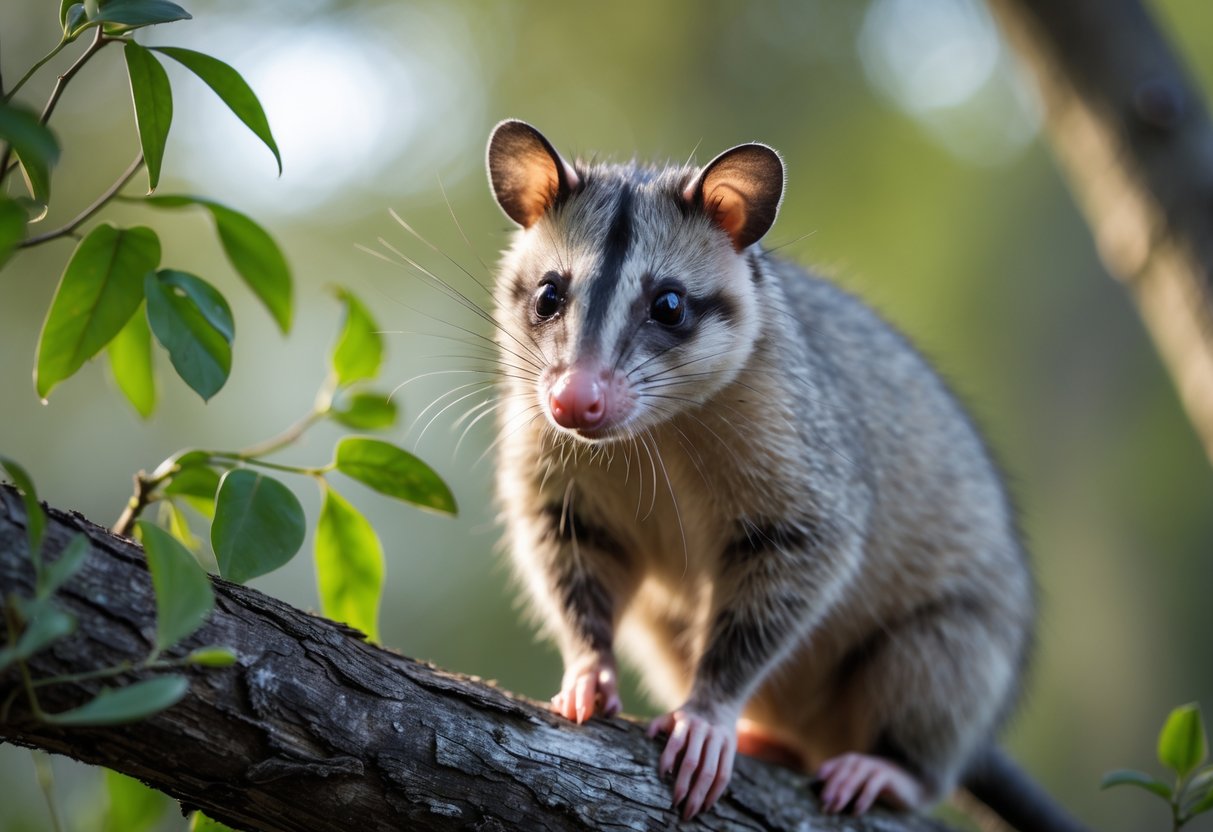
If you notice opossums near your home, it’s good to know they usually don’t pose much risk when it comes to rabies. In fact, they actually help out by eating pests like ticks.
Still, you should know how rabies spreads and what animals are more likely to carry it.
Rabies Risk in Opossums: What You Really Need to Know

Opossums often show up near homes, and people misunderstand them when it comes to rabies. Learning how rabies affects opossums and what signs to watch for can help you keep your family and pets safe.
Knowing the real risks makes it easier to deal with opossums if they show up.
Why Rabies Is Rare in Opossums
Opossums have a lower body temperature than most mammals—usually between 94–97°F. This cooler temperature makes it hard for the rabies virus to survive and multiply.
So, rabies is very uncommon in opossums compared to animals like raccoons or bats.
They’re not completely immune, though. Rare cases of rabies have happened, especially when opossums get exposed to infected bats.
Scientists think their natural resistance and the fact that they often die quickly from injuries keeps rabies cases low.
How Rabies Is Transmitted
Rabies spreads when an infected animal’s saliva gets into another animal, usually through bites. If a rabid bat or some other infected animal bites an opossum, it can catch the virus.
But honestly, opossums rarely make it through such attacks, so the virus doesn’t spread much.
If you’re a homeowner, direct contact with opossums is the main risk. Don’t try to handle them yourself.
Call professional wildlife control if opossums become a problem, and you’ll cut down any risk of rabies.
Signs of Rabid Opossums
Rabid opossums might act strangely. Sometimes they get aggressive, or they might seem oddly calm because rabies affects their nervous system.
Watch for these signs:
- Staggering or trouble walking
- Excessive drooling or foaming at the mouth
- Paralysis or weakness
- Sudden aggression or extreme tiredness
If you spot any of these symptoms, stay away and call wildlife control so they can handle it safely.
Is My Pet at Risk from Opossums?
Your pet’s chances of catching rabies from an opossum are super low. Opossums almost never carry rabies, and they usually avoid fights.
Most of the time, dogs are the reason opossums end up dead near homes—not the other way around.
Still, if your pet gets into a fight with an opossum or any wild animal, check for bites and talk to your vet. Keeping your pets’ rabies shots current is the best protection.
Other Diseases and Health Concerns Associated with Opossums
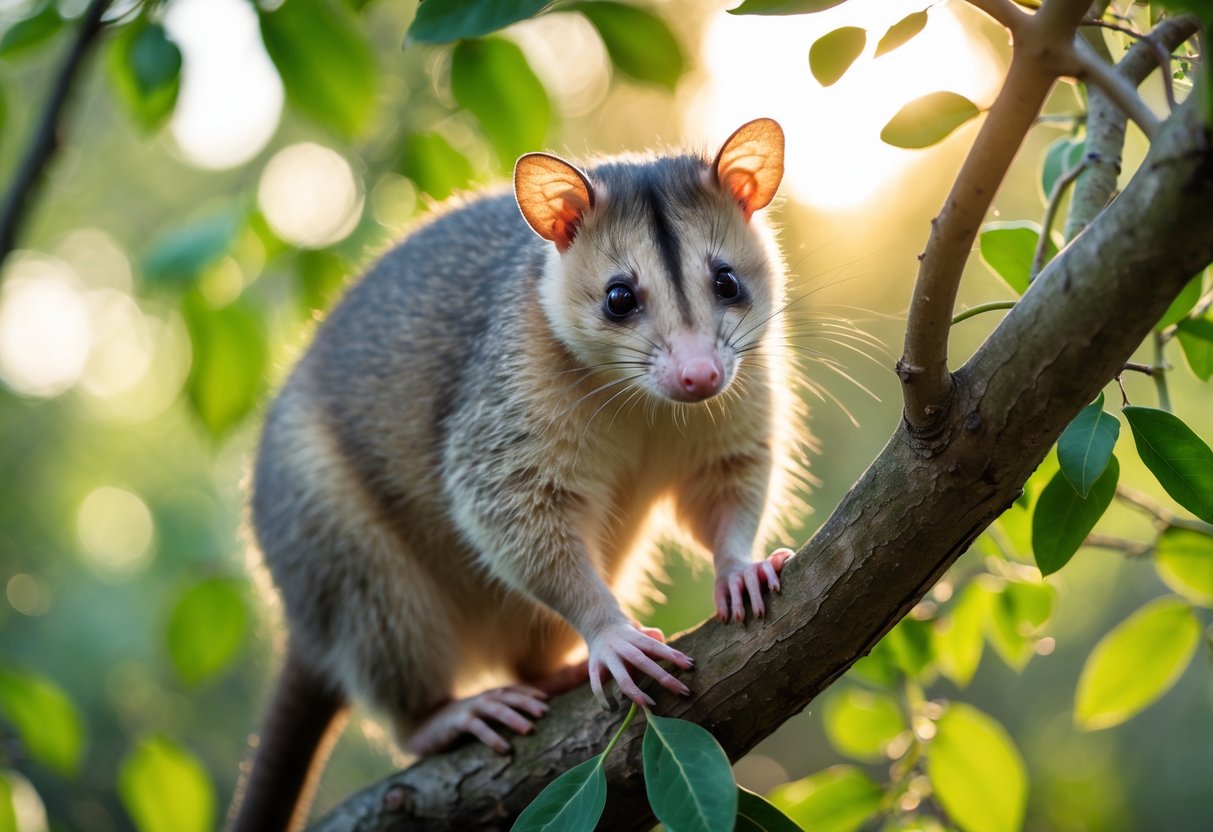
Opossums can carry a few diseases and parasites that affect people and pets. Knowing about these risks helps you stay safer when you share a neighborhood with them.
Some of these illnesses come from bacteria, while others are spread by parasites or insects that live on opossums.
Leptospirosis, Salmonella, and Tularemia
Opossums sometimes carry bacteria that cause diseases like leptospirosis, salmonella, and tularemia. Leptospirosis spreads through contact with infected urine or water.
People can get flu-like symptoms, and pets can get really sick from it. Salmonella usually comes from touching contaminated opossum droppings.
It can cause stomach pain, diarrhea, and fever.
Tularemia is less common, but it’s more serious. It can spread through bites, scratches, or contaminated water.
If you get tularemia, you might have a fever, skin sores, or swollen lymph nodes. Always wash your hands after handling animals or cleaning up where opossums have been.
Keep your home and yard less inviting to opossums to lower your risk. If you’re curious, A-Z Animals has more details.
Parasites: Fleas, Ticks, and Mites
Fleas, ticks, and mites often hitch a ride on opossums and can end up on pets or people. Fleas cause itching and skin problems.
Ticks can spread Lyme disease and other nasty infections. Mites might cause mange, which leads to hair loss and skin irritation in animals.
If you have pets, check them for these pests—especially if you know opossums are close by. Use approved pest control products on your yard and pets to help keep things under control.
Limiting contact with wild animals and keeping pet bedding clean also goes a long way. For more wildlife control tips, Northeast Wildlife Solutions has some good advice.
Understanding EPM and Its Impact on Horses
Equine Protozoal Myeloencephalitis (EPM) mostly affects horses. Horses get it when they eat protozoa from opossum feces.
EPM attacks the nervous system, and it can cause weakness, trouble walking, or even paralysis.
If you don’t have horses, you probably don’t need to worry about this. But horse owners should be careful.
Keep feed and water covered, and make sure barns stay clean to avoid contamination. Block opossums from getting into barns if you can.
If your horse shows odd symptoms, call a vet—they can test for EPM and start treatment early.
Safe Opossum Removal and Wildlife Control
If opossums are causing trouble in your yard or sneaking into your home, it’s best to stick with safe removal methods.
Don’t try to handle opossums on your own. They might bite or scratch if they get scared, and honestly, no one wants to deal with the parasites they sometimes carry.
I’d recommend calling a professional wildlife control service. These folks actually know how to remove opossums safely and follow the law while doing it.
They usually set up humane traps and then relocate the animals far away from your place. After they’re gone, you’ll want to clean up your yard and seal up any openings where critters could sneak back in.
Keeping your trash and pet food locked up really helps too. If you’re curious, you can check out tips from pros like Wildlife Experts.


