
Ever spotted a baby bird on the ground and wondered if its mom kicked it out? It sure looks harsh, but honestly, sometimes mother birds do push their babies out of the nest to help them learn to fly and fend for themselves. It’s a natural part of growing up in the wild—not some act of cruelty.

Mother birds will sometimes remove weak or sick babies to protect the healthier ones. By doing this, they give their strongest chicks a better shot at survival.
If you ever feel the urge to rescue a chick you find on the ground, it’s worth pausing. Sometimes that bird is just learning to fly, not in trouble. Knowing when to step in (or not) makes a difference for the bird’s future. For more details, you can check why mother birds push babies out of the nest.
Do Mother Birds Push Babies Out of Nests?

Mother birds have all sorts of ways to help their babies grow up and survive. Sometimes, they’ll nudge or even push their young to leave the nest.
Why do they do this? It depends on the species and the situation. Once you get to know these behaviors, you’ll see it’s just nature doing its thing.
Encouraging Fledging and Independence
When it’s time for baby birds to fly, their mothers often encourage them to leave the nest. This stage, called fledging, is a huge milestone.
You might see a mother bird gently nudging her chicks, almost like she’s saying, “Come on, give it a try!” That little push helps the chicks start flapping their wings and taking those first, wobbly flights.
It’s not about being mean—it’s about teaching independence. The chicks need to build muscle and confidence, or they might just stay put and miss their shot at life outside.
So if you see a baby bird on the ground, don’t panic. It’s often just a normal part of learning to fly.
Reasons for Forcibly Removing Chicks
Sometimes, mother birds push out chicks that are weak, sick, or hurt. It sounds tough, but it’s a survival move.
When a chick can’t keep up, the mother focuses her energy on the ones most likely to make it. That way, the strongest chicks get the best chance to thrive.
Overcrowded nests can also cause problems. Mothers might push out smaller or weaker chicks to cut down on competition for food.
With fewer mouths to feed, there’s less risk of attracting predators, too. These choices aren’t easy, but they help birds manage with what they’ve got.
Differences Among Bird Species
Birds don’t all parent the same way. Eagles and other big birds might give their fledglings a firmer push, since strong flight is essential early on.
Smaller birds, like sparrows, usually take a gentler approach or just wait until the chicks leave on their own.
Some birds never push their babies out at all—they’re more patient, letting the young ones go when they’re ready.
Others might care for weak or sick chicks a little longer. Bird parenting really depends on the species, the environment, and what the chicks need to survive.
Curious for more? There’s a detailed explanation on thebirdidentifier.com if you want to dive deeper.
Why Do Babies Leave the Nest?
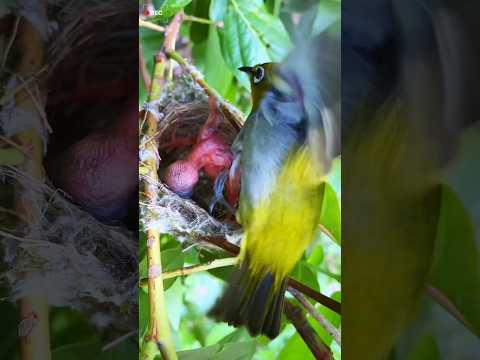
Baby birds leave the nest for a bunch of reasons. Sometimes it’s just part of growing up, and other times it’s because of competition or even an accident.
Parents also make quick decisions if there’s danger nearby.
Natural Fledging Process
Leaving the nest is a big deal for a baby bird. Nestlings grow feathers and start figuring out how to fly before they actually become fledglings.
You’ll see them testing their wings, hopping around just outside the nest. Moms might start bringing less food or give a gentle nudge to get things moving.
That’s not abandonment—it’s teaching independence. The chicks have to learn to survive on their own.
Watching this process, you’ll notice that young birds can look pretty clumsy or helpless at first.
Role of Sibling Rivalry and Accidents
Sometimes, chicks leave the nest earlier than planned because of fights or just plain bad luck.
Siblings compete for food and space, especially in a crowded nest. All that jostling can send a weaker chick tumbling out.
It’s not always the parents’ doing. In tight quarters, accidents happen and the busiest chicks can knock others out.
Parents usually focus their care on the strongest babies to give them the best shot at making it.
Predator Threats and Parental Decisions
When predators get too close, parent birds face some tough decisions. Sometimes, they just have to abandon chicks they can’t protect, or even leave eggs behind if the nest feels way too risky.
Parents might grab as many young as they can and take off, but sometimes they leave the rest behind—maybe it sounds cruel, but it’s all about keeping the family line going, right?
You might spot a nest suddenly empty after a predator shows up nearby, or after a bout of nasty weather. The adults usually focus on their own safety when things get dangerous.
For more details, you can visit why birds may throw their babies out of the nest.


