
Ever wondered if birds can actually get attached to you? They absolutely can. Lots of bird species form surprisingly strong bonds with their human caretakers.
These connections usually grow through regular interaction, trust, and just spending time together.

Birds show attachment by seeking your company, responding to your voice, or even preening you or following you around. Each bird has its own style, but learning their unique ways of bonding can help you get closer to your feathered friend.
Understanding how birds express affection makes caring for them feel more meaningful. Whether you’ve got a chatty parrot or a quiet finch, recognizing their signs of attachment can really deepen the experience of living with a bird.
If you’re curious about the details, here’s a helpful guide on how birds bond with humans.
How Birds Form Attachments to Humans
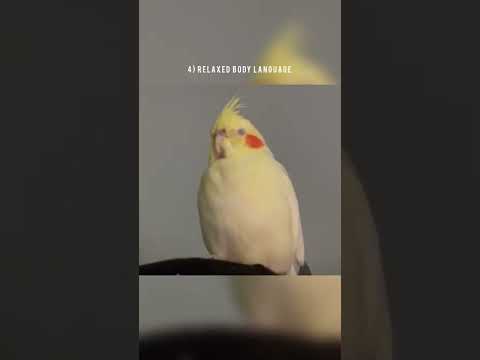
Birds show their connection in all sorts of ways, from how they act around you to how much they trust you. Some signs are obvious, but others take a bit more patience to notice.
Each species builds bonds differently, depending on their personality and needs.
Signs Your Bird Is Attached to You
Your bird might gently nibble your fingers or preen your hair—those are sweet signs of affection. They might also follow you or want to perch on your shoulder.
Listen for soft chirps or when they mimic your voice. These sounds usually mean your bird feels safe and happy with you.
Pay attention to their body language. If your bird fluffs its feathers and leans toward you, it’s probably showing trust.
But if they bite hard or act aggressive, that’s usually a sign of discomfort, not attachment.
The Role of Bird Trust in Bonding
Trust is really the heart of your bond with your bird. When your bird trusts you, it feels secure.
You can build trust by spending quiet time together, speaking gently, and letting your bird explore at its own pace.
Trust helps your bird relax enough to show affection, like snuggling or singing near you.
Without trust, your bird may keep its distance or seem stressed out. Patience and gentle care go a long way here.
Differences in Attachment Among Bird Species
Not every bird attaches the same way. Parrots, cockatoos, and budgies tend to be more social and often form strong bonds with their owners.
They might crave lots of interaction and even show stress when you’re away.
Other birds, like finches or canaries, usually stay more independent. They might enjoy your company but don’t always seek constant attention.
Knowing your bird’s species helps you figure out what kind of bond you can expect and how to care for their emotional needs.
If you want to dig deeper, see birds that get attached to humans.
Budgies and Building Strong Human Bonds
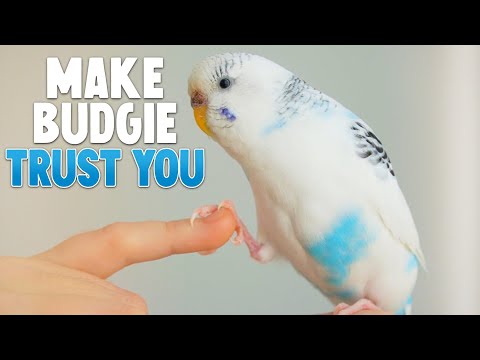
Budgies are social little birds that notice and react to the people who care for them. You can spot their feelings through specific behaviors.
How you interact with your budgie really affects how quickly and deeply your bond grows.
Unique Social Nature of Budgies
Budgies naturally live in flocks and depend on social connections. When you keep a budgie as a pet, it often treats you as part of its flock.
This means your bird wants to be near you and feel safe in your presence.
Because they’re so social, budgies respond best to regular interaction. Some are shy, some outgoing—it depends on their personality.
Younger budgies usually adapt faster and become friendly more quickly, but older birds can bond, too, if you’re patient.
Your budgie’s attachment really depends on how you show trust and care. Over time, they’ll recognize your voice and presence, making them more comfortable.
Behaviors Budgies Use to Show Affection
Budgies have all sorts of ways to show they care. They might chirp happily when you talk or come close to the cage when you walk by.
Preening your hair or clothes is a sign they see you as part of their flock.
Other signs? They’ll step onto your finger or shoulder, flap their wings to get your attention, or follow you around when they’re out of the cage.
These actions show trust and comfort.
Budgies sometimes give gentle nibbles or snuggle up near you, which means they feel bonded. They might mimic your sounds or whistle back, creating a kind of back-and-forth “conversation” that brings you closer.
How to Encourage Attachment With Your Budgie
Spend time near your budgie every day if you want to really build a strong bond. Try talking softly, offering treats, and letting your bird wander onto your hand.
Let your budgie set the pace—patience matters here. I know it takes a while, but that’s just how these little birds are.
Handle your budgie gently and often to help it trust you. If you can, avoid sudden moves or loud noises so your budgie stays relaxed.
Respect its space, especially in the beginning. You’ll notice your budgie gets more comfortable when you do.
Play with your budgie and keep its environment calm to create positive experiences together. When your bird stays calm, reward it with treats or some quiet praise.
Eventually, your budgie will probably feel safer and might even look forward to hanging out with you.
For more tips on bonding, check out this article about building trusting relationships with companion birds.


