
Ever wondered if female lions bleed like humans do? Nope — lionesses don’t have periods like people. Instead, they go into estrus (heat) and just reabsorb their uterine lining instead of shedding it. That changes how they show fertility and how often they mate.

Let’s talk about how estrus works, why mating actually triggers ovulation, and how pride life shapes what lionesses do. Next up, you’ll get a look at the physical signs, the timing of fertile windows, and how social life in a pride affects reproduction.
Do Girl Lions Have Periods?
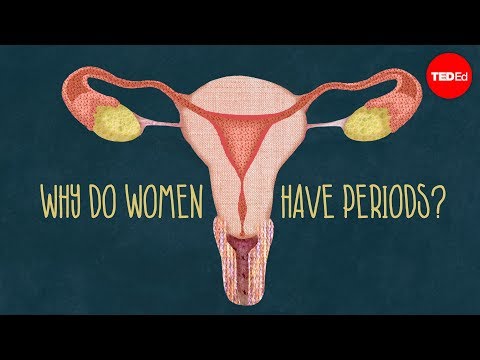
Female lions don’t have menstrual bleeding like humans. Instead, their bodies run through an estrous cycle that gets them ready for mating and pregnancy, with changes in behavior and hormones instead of visible blood.
Differences Between Menstruation and Estrus
Menstruation means the uterine lining gets shed and leaves the body as blood. Humans and a handful of primates do this, which is why it’s so visible.
But most mammals, like lions, have estrus. If there’s no pregnancy, they just reabsorb the lining, so you won’t see any blood.
Hormones work differently, too. Humans have a regular monthly ovulation pattern, all driven by internal hormones. Lions, though, are induced ovulators: they release eggs because of mating itself.
You’ll notice behavior changes—like more vocalizing and rubbing—when a lioness is in heat. There’s no blood to spot, just these shifts in how she acts.
If you’re studying lion reproduction, remember that estrus is all about being receptive and fertile. The signs show up in behavior and scent, not in blood.
Why Lionesses Do Not Bleed During Their Cycle
Lionesses reabsorb their uterine lining if they don’t get pregnant. You won’t see any menstrual flow because the tissue breaks down inside and the body recycles it.
That’s pretty common among carnivores and actually saves resources out in the wild.
Mating patterns play a part, too. Since mating triggers ovulation, the lioness’s body only gets ready when it’s actually needed.
That means there’s no need to discard tissue in a way you’d notice. Maybe you’ll spot swollen genital tissue or a bit of blood-tinged discharge, but that’s rare and usually points to injury or illness—not a normal cycle.
Knowing this helps you avoid mistaking normal reproductive signs for health problems when you’re watching lions or working with them in captivity.
Estrus Cycle Timing and Frequency
Lionesses go into estrus several times a year if they aren’t pregnant. Each heat lasts just a few days, and cycles repeat until she conceives.
Timing can change based on age, health, season, and what’s happening in the pride.
Since lionesses are polyestrous, you’ll see multiple heats over the months. When a new male takes over a pride, females might sync up, leading to bursts of mating and better odds of conception.
Gestation lasts around 110 days after a successful mating, so watching for estrus can help predict when cubs might arrive.
If you’re caring for or studying lions, tracking vocal calls, rubbing, and frequent mating is the best way to spot estrus.
Lioness Reproductive Behavior and Social Dynamics

Lionesses live and breed in complex prides. Fertility timing, group defense, and cub care all shape who breeds and when.
You’ll see coordinated mating, shared nursing, and fierce cub protection—all linked to survival and reproductive success.
Synchronized Estrus in Prides
Lionesses often come into estrus at about the same time. When several females cycle together, they can give birth within weeks of each other.
This timing lets you and the rest of the pride nurse and guard cubs as a group.
Synchronized estrus happens because lactation suppresses cycles. When several females stop nursing, they start cycling together again.
Males then mate with multiple females in a short burst, raising the chances of conception for the pride.
You’ll probably notice more mating attempts and louder calls during synchronized estrus. Frequent mating over a few days triggers ovulation, so a lot of the cubs end up close in age.
Benefits of Safety in Numbers
Raising cubs in a group makes life easier for you and the cubs. When cubs are born close together, several adult females share nursing and babysitting.
That means no one female has to leave her cubs alone for long.
Group defense gets stronger, too. You get better protection from rival males and hyenas.
A team of adults can fight off marauding males that might kill cubs to bring females back into estrus.
Hunting works better as a group. Together, you can bring down bigger prey and feed all the lactating females and cubs.
That steady food supply means more cubs survive and grow up strong.
Do Lionesses Experience Menopause?
Lionesses don’t really go through a long, obvious menopause like humans do. They usually stay fertile into their middle and sometimes even older years. Still, as they age, their fertility drops, and litter sizes tend to get smaller.
Older lionesses might keep cycling and breeding, but the number of cubs they have usually goes down. Sometimes, they face more pregnancy losses, which can’t be easy. Social rank and physical health play a big part in whether an older lioness will keep breeding.
Since they don’t have a long stretch where they’re alive but not reproducing, older females stay pretty active. They keep hunting and help care for cubs. Even if they have fewer babies, their experience really seems to help the pride.


