
Foxes often roam urban areas, scavenging for food and exploring neighborhoods. If you have a dog, you may wonder how these two animals interact. In general, foxes tend to stay away from dogs, especially larger ones, as they perceive them as a threat.
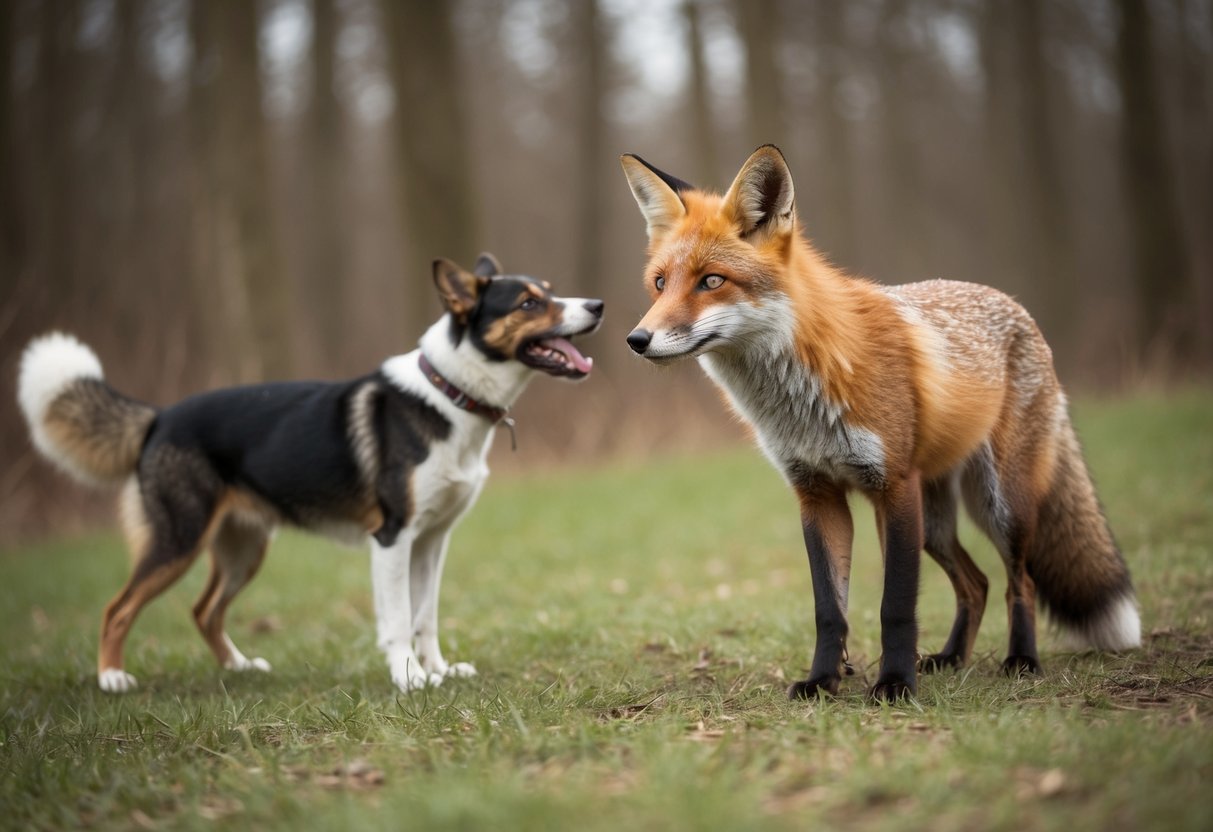
However, small dogs can attract more attention from foxes, leading to potential encounters. It’s wise to keep an eye on your pet, especially during times when foxes are active. Understanding how these two species coexist helps you create a safe environment for your dog while appreciating the wildlife around you.
Understanding Fox Behavior

Foxes are fascinating creatures with behaviors shaped by their need for survival and their habitats. Knowing how they behave can help you understand their interactions with other animals, including dogs.
Fox Habitats and Territory
Foxes are adaptable animals found in various environments, including forests, grasslands, and urban areas. They are territorial and typically establish their own dens where they live and raise their young.
In the wild, a red fox may roam over several square miles, marking its territory with scent to warn others. This behavior helps minimize conflicts with other foxes and other animals, including dogs. If you live near a fox habitat, watch your pets carefully to avoid unwanted encounters.
The Red Fox and Urban Adaptation
You might be surprised to learn that red foxes have adapted well to urban life. They often thrive in suburban areas where food is more abundant. These urban foxes can be seen rummaging through garbage or hunting small pets.
Their ability to adjust their behavior to human environments has led to increased sightings in neighborhoods. This urban adaptation means they might cross paths with your dog, especially if your dog ventures into their territory.
Breeding Season and Fox Behavior
The breeding season for foxes typically occurs in winter, around January to March. During this time, their behavior changes noticeably. Male foxes become more territorial and protective, especially if they have a den with pups nearby.
If a dog approaches a den during this season, a fox may feel threatened and act defensively. This instinct is crucial for the survival of their young. It’s essential to keep your dog on a leash and avoid areas known for fox activity, particularly during the breeding season.
Interactions Between Foxes and Dogs
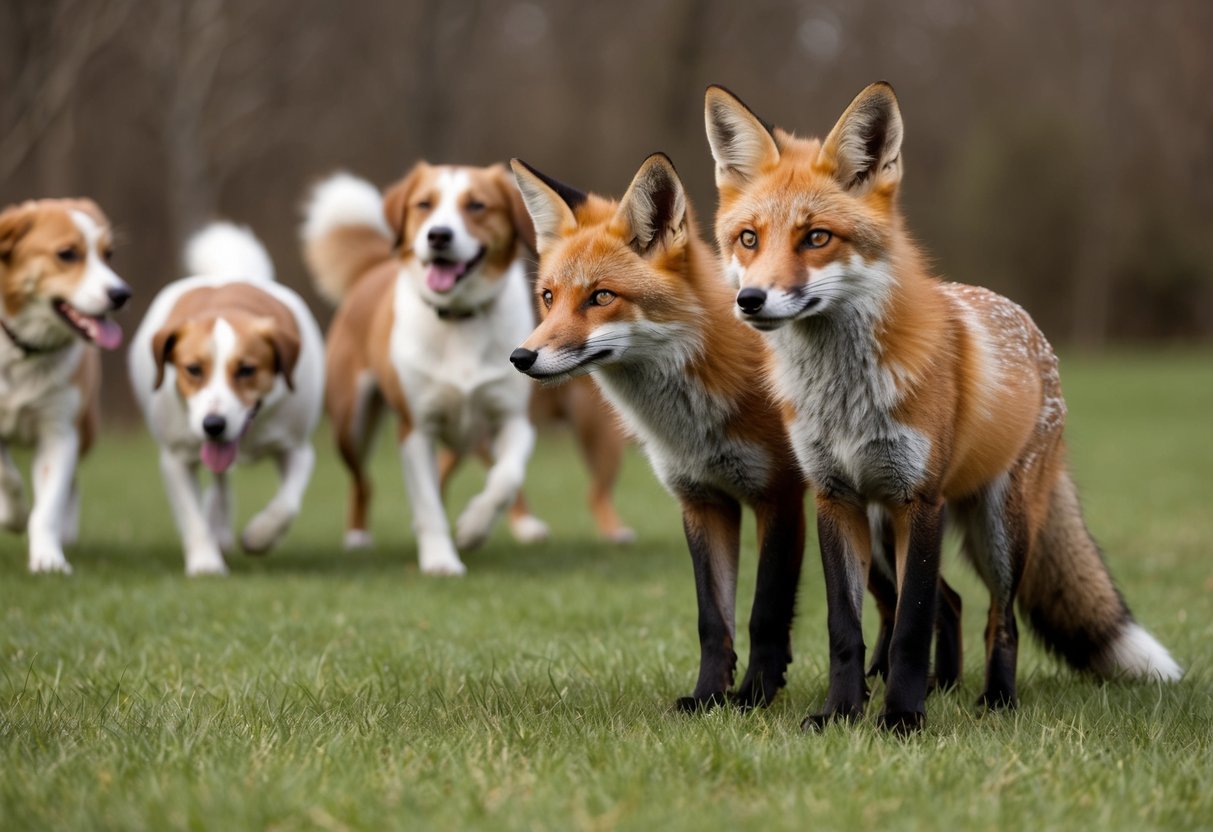
Foxes and dogs can have various interactions in shared environments. Understanding these encounters is important for keeping your pets safe and ensuring peaceful coexistence. Here’s what you need to know about how these two species interact.
Canine Encounters with Foxes
Most of the time, foxes tend to keep their distance from dogs. They are naturally wary of larger animals, which includes many dog breeds. Foxes usually prefer to avoid confrontation and will often flee from a barking dog.
In rare situations, foxes may engage with dogs, especially if they feel threatened or cornered. They might become aggressive if they perceive a dog as a threat to their young. It’s crucial to supervise your pet during outdoor activities to prevent these encounters.
Risks to Small Dogs and Puppies
Small dogs and puppies are more vulnerable in encounters with foxes. Due to their size, these pets can be seen as potential prey. Foxes possess hunting instincts that may lead them to stalk small animals.
If you own a small dog, stay alert in areas where foxes are known to roam. It’s wise to keep your dog on a leash, especially during the dawn and dusk hours when foxes are most active. Being proactive can reduce the risk of a fox attack on your dog.
Preventing Fox Attacks on Dogs
There are several effective methods to deter foxes from getting too close to your dog. First, consider fencing your yard with high, solid barriers to prevent foxes from entering. Make sure the fence is secure and buried underground to stop any digging.
Keep food sources in your yard to a minimum. Secure garbage cans and avoid leaving pet food outside. These actions can help discourage foxes from frequenting your area.
Additionally, educate yourself on the signs of fox activity, like tracks or droppings. If you notice a fox in your area consistently, take extra precautions to protect your dog, especially if it’s a small breed.
Disease and Safety Concerns
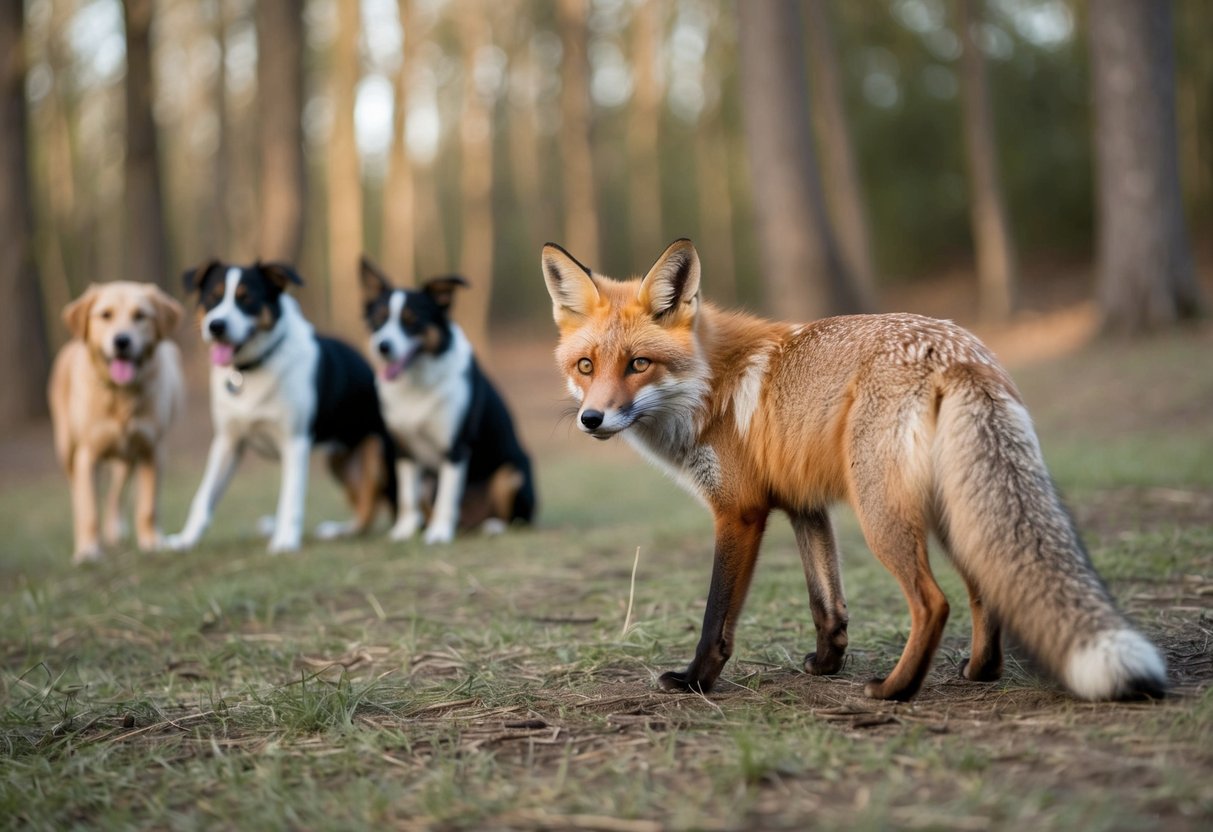
When it comes to foxes and your dogs, you should be aware of disease and safety issues. Foxes can carry various diseases and parasites that may affect the health of your pets. Understanding these risks is essential to keep your furry friends safe.
Common Diseases Carried by Foxes
Foxes can transmit several diseases to pets, including rabies. While rabies is rare in foxes, it is still a serious concern. Infection occurs through bites or scratches from an infected animal. Besides rabies, foxes are known hosts for various infections that can affect dogs. For example, sarcoptic mange, caused by mites, can lead to severe itching and skin issues in dogs. If your dog comes into contact with an infected fox, there’s a risk of transmission.
Signs of Rabies in Foxes
If you suspect that a fox may have rabies, look for these signs: unusual aggression, lack of fear of humans, disorientation, or excessive drooling. A rabid fox may appear lethargic or weak. If you see a fox acting strangely, keep your distance, and make sure to keep your pets away. Rabies is deadly, but post-exposure vaccines are effective if given quickly. Monitor your pets’ health if they have had any contact with wild animals.
Parasites and the Impact on Pets
Foxes can carry parasites like roundworms and fleas, which can affect dogs. If a dog eats fox droppings or comes into contact with contaminated areas, it may become infected with these parasites. Symptoms include vomiting, diarrhea, and weight loss. Your dog can also get bacterial infections from water contaminated by fox urine. To protect your pet, ensure they are on regular deworming and flea medications. Keeping your yard clean and secure can also minimize risks.
Deterrents and Preventive Measures

Taking steps to deter foxes can keep your pets safe. Understanding the best methods and community strategies will help you create a safer environment.
Effective Deterrents for Foxes
There are several effective deterrents you can use to discourage foxes from entering your yard. Motion-activated sprinklers are popular because they startle foxes when they get too close, causing them to run away.
Using strong smells can also help. Foxes dislike the scent of vinegar, chili pepper, and other strong odors. You can create barriers around your garden with these substances.
Additionally, keeping trash cans secure and removing any food sources decreases the chances of attracting foxes. If you have gardens or chicken coops, using secure fencing can also make a big difference in keeping unwanted guests out.
The Role of Animal Control
Animal control can be a valuable resource if you face a persistent fox issue. They can provide safe and humane solutions to control the local fox population. If you notice any signs of a fox den close to your home, contact animal control for guidance on how to address the situation.
Professional services often use traps and relocation methods that ensure the safety of both the animals and your pets. Remember, utilizing animal control means you don’t have to handle this alone—they’re here to help keep your pets safe.
Neighborhood and Community Strategies
Engaging with your neighbors can enhance your deterrent efforts. Encourage everyone in your area to keep their pets close and on a leash. This is especially important during dawn and dusk when foxes are most active.
You can also work together to maintain a clean neighborhood. Keeping yards tidy and removing food sources can discourage foxes from making their home nearby.
Creating community awareness about fox activity can lead to neighborhood-wide strategies. This makes it less likely that foxes will settle in your area. Together, you can create a safer place for your pets to play and explore.


