
Ever wondered if coyotes actually take dogs? If you live near wild areas or even in the city, it’s a real concern.
Coyotes do attack dogs, especially smaller breeds. They usually steer clear of bigger dogs unless they’re desperate or starving.
Knowing how to protect your dog can help you avoid a scary encounter.
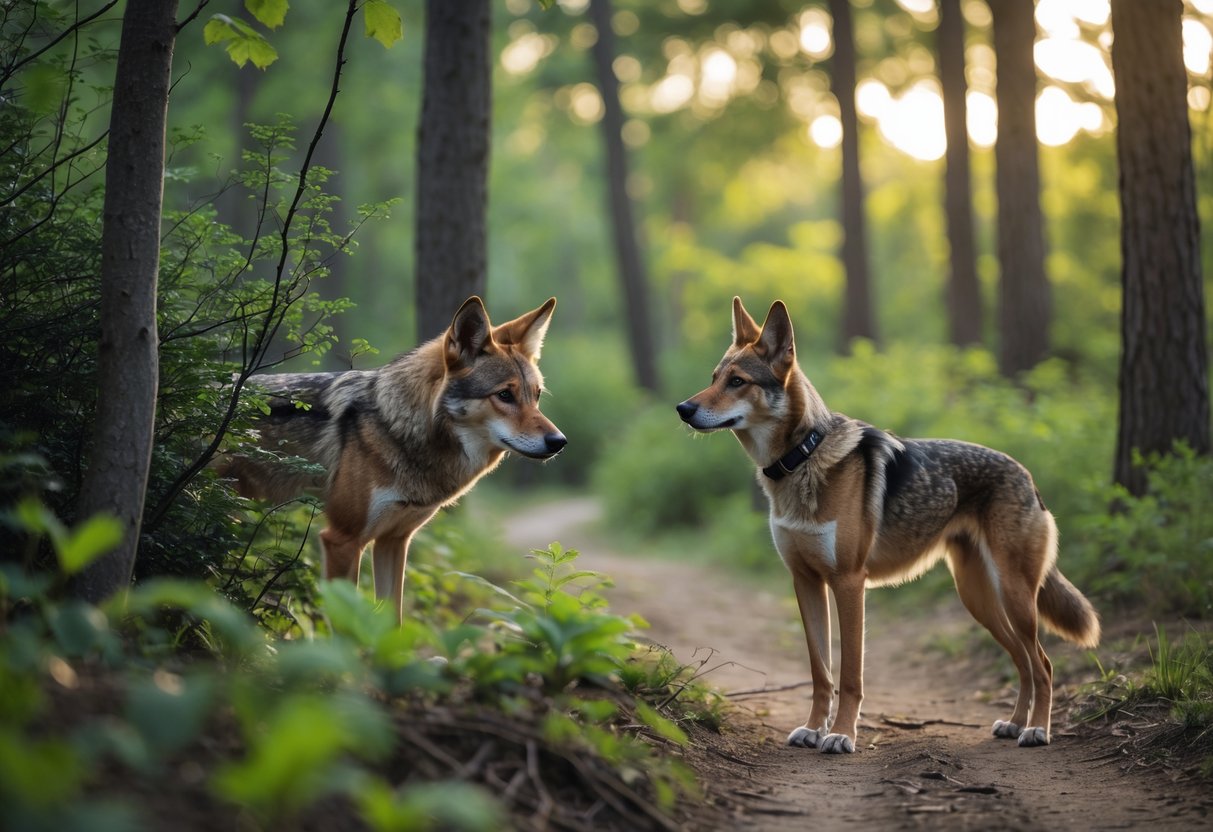
Coyotes, being wild animals, often wander closer to neighborhoods when their usual food sources run low.
They might see small dogs as prey or sometimes even as threats.
If you understand how coyotes behave and what makes your dog vulnerable, you can make better choices when walking your pup or letting them out in the yard.
It’s honestly worth learning a few simple steps to keep your dog close and safe from these predators.
You’ll want to know what you can do to protect your dog from coyotes and avoid any nasty surprises.
Do Coyotes Take Dogs: Understanding the Risks

Coyotes can pose a danger to dogs, especially in places where people and wildlife live close together.
If you know why coyotes attack, which dogs face the most risk, and how these attacks usually happen, you’re already ahead.
Why Coyotes Target Dogs
Coyotes usually avoid people, but sometimes they see dogs as prey or threats.
Smaller dogs look like easy meals, especially when food is scarce. As their food sources disappear, coyotes wander into neighborhoods more often.
Coyotes also attack to defend their territory, their pups, or themselves.
If your dog acts weak or scared, a coyote might see that as an opportunity. Strong, confident dogs don’t interest coyotes as much—they like easy targets.
If you keep your dog close and on a leash, you lower the odds of a coyote getting interested.
Which Dogs Are Most Vulnerable
Small and medium-sized dogs run the biggest risk.
Dogs under 30 pounds—think Chihuahuas or little terriers—are especially vulnerable. They’re about the size of what coyotes usually hunt.
Dogs that roam alone or stay outside without supervision face more danger.
Puppies and timid dogs can’t really defend themselves well. Large breeds don’t get attacked much unless a coyote feels trapped or is really desperate.
Table: Dog Size and Risk Level
| Dog Size | Risk Level |
|---|---|
| Small (<30 lbs) | High |
| Medium (30-50) | Moderate |
| Large (>50 lbs) | Low |
Common Coyote Attack Scenarios
Most coyote attacks happen at dawn or dusk, since that’s when coyotes come out.
Those hours also happen to be when many people let their dogs outside.
Attacks might take place in backyards, parks, or even on walks if your dog isn’t leashed.
Coyotes sometimes ambush small dogs that are alone or not paying attention.
Leashed dogs can also get attacked if a coyote feels threatened or if a dog wanders too close to coyote pups.
It’s smart to keep a close eye on your dog during those times.
Use a short leash and steer clear of places where you’ve heard about coyote sightings.
How to Protect Dogs from Coyotes

Keeping your dog safe around coyotes really comes down to being careful outside and making a few changes at home.
A few good habits and the right gear can make a big difference.
Supervision and Leashing
Always use a leash when you walk near places where coyotes might show up.
Coyotes tend to target small dogs that wander alone.
If you stay close, you can spot trouble early.
Try not to walk your dog at dawn or dusk, since that’s when coyotes are out and about.
If you have to go out during those times, watch your dog extra closely.
Never leave your dog outside alone, especially at night.
Teach your dog a strong recall command so you can call them back fast if a coyote shows up.
Carry something loud, like a whistle or air horn, to scare off coyotes if you need to.
Coyote-Proof Fencing Options
A solid fence helps keep coyotes out of your yard.
Go for a fence at least 6 feet tall. Coyotes can climb and dig, so bury the bottom about 18 inches underground.
Add a coyote roller to the top—it spins if a coyote tries to climb over, making it tough for them to get in.
Motion-sensor lights near your yard can startle coyotes and make them think twice.
Get rid of anything that attracts coyotes, like fallen fruit, pet food, or open trash cans.
If you keep your yard clean, you’re less likely to have coyotes hanging around.
Essential Safety Gear for Dogs
If you’ve got a small dog, a coyote vest might just save their life. These vests use Kevlar spikes or other tough stuff, so coyotes have a much harder time getting in a deep bite.
Try using reflective collars and harnesses to make your dog stand out at night. It’s easier for you to spot them, and it lets others know there’s a dog around.
Grab a bright flashlight or throw on some reflective gear yourself if you’re out in low light. I always train my dog to stick close and pay attention to what’s going on, especially when they’re wearing their protective gear.
Pairing this gear with good supervision and solid fencing really boosts your dog’s safety from coyotes.
Curious to learn more? Check out akc.org for more tips on keeping your dog safe from coyote attacks.


