
Cocker Spaniels are beloved for their friendly nature and stunning coats, but you might wonder if they have a smell. Many Cocker Spaniel owners find that their dogs can develop odors due to various health and grooming issues. Understanding why your furry friend may smell can help you address any concerns and ensure they stay fresh and healthy.

From ear infections to poor dental hygiene, a variety of factors can contribute to unwanted odors in these dogs. It’s important to pay attention to your Cocker Spaniel’s grooming and health to keep them smelling their best.
By the end of this article, you will learn practical tips to manage and reduce any unpleasant smells that might arise.
Understanding Cocker Spaniel Smell

Cocker Spaniels have a unique smell that can sometimes be unpleasant. Several factors contribute to this odor, including natural oils and grooming habits. Let’s explore the causes of this smell and how the breed’s characteristics play a role.
Causes of Cocker Spaniel Odor
Several issues can lead to a smelly Cocker Spaniel. First, their skin produces natural oils, especially from sebaceous glands, that can give off a musty smell if not managed properly. Bathing them too infrequently or using unsuitable products can worsen the odor.
Health problems are another major cause. Issues like ear infections, dental problems, or skin infections can produce strong, foul smells that signal something is wrong. If your dog is rolling in stinky stuff during walks, that’s another reason for bad odor.
It’s important to regularly check for any signs of health problems to keep those odors at bay.
Characteristics of Cocker Spaniels Affecting Smell
Cocker Spaniels have distinctive features that can affect their scent. Their long ears can trap moisture, leading to ear infections, which are notoriously smelly. Regular cleaning helps prevent this issue.
Additionally, they have a dense coat that can trap dirt and oils, contributing to unpleasant smells. Brushing your Cocker Spaniel regularly is essential to reduce loose hair and prevent any build-up of grime. Keeping their living area clean can also help minimize odors.
Health Issues and Odor
Cocker Spaniels are prone to certain health issues that may cause unpleasant odors. Addressing these concerns promptly can help keep your furry friend smelling fresh and feeling great. Here are some common health issues associated with odor.
Ear Infections and Ear Care
Cocker Spaniels have long, floppy ears that can trap moisture and debris. This makes them more susceptible to ear infections, like otitis externa. If you notice your dog shaking their head or scratching their ears, it could be a sign of an infection.
Regular ear cleaning is important. Use vet-recommended ear cleaners to keep their ears dry and clean. Look out for signs such as discharge, redness, or a foul smell. If you suspect an ear infection, visit your veterinarian for proper treatment.
Dental Health and Bad Breath
Bad breath, or halitosis, in Cocker Spaniels often stems from periodontal disease. This is caused by plaque buildup that leads to bacterial infections in the gums.
Brushing your dog’s teeth several times a week can help prevent this issue. You can also offer dental chews that promote oral health. If you notice persistent bad breath or swollen gums, consult your vet for a thorough checkup. They may suggest a professional cleaning to restore your pup’s fresh breath.
Skin Conditions and Avoiding Infections
Skin problems can lead to unpleasant odors, too. Cocker Spaniels are at risk for skin infections and fungal infections, such as yeast infections. These issues often arise from allergies or excessive moisture.
To prevent skin infections, regularly groom your dog and keep their coat dry. If you find red, itchy patches or a strong smell, this might indicate a deeper issue. In this case, it’s best to see your veterinarian. They can recommend the right treatment, such as medicated shampoos or antihistamines, to help your dog’s skin heal and smell fresh.
Grooming and Maintenance
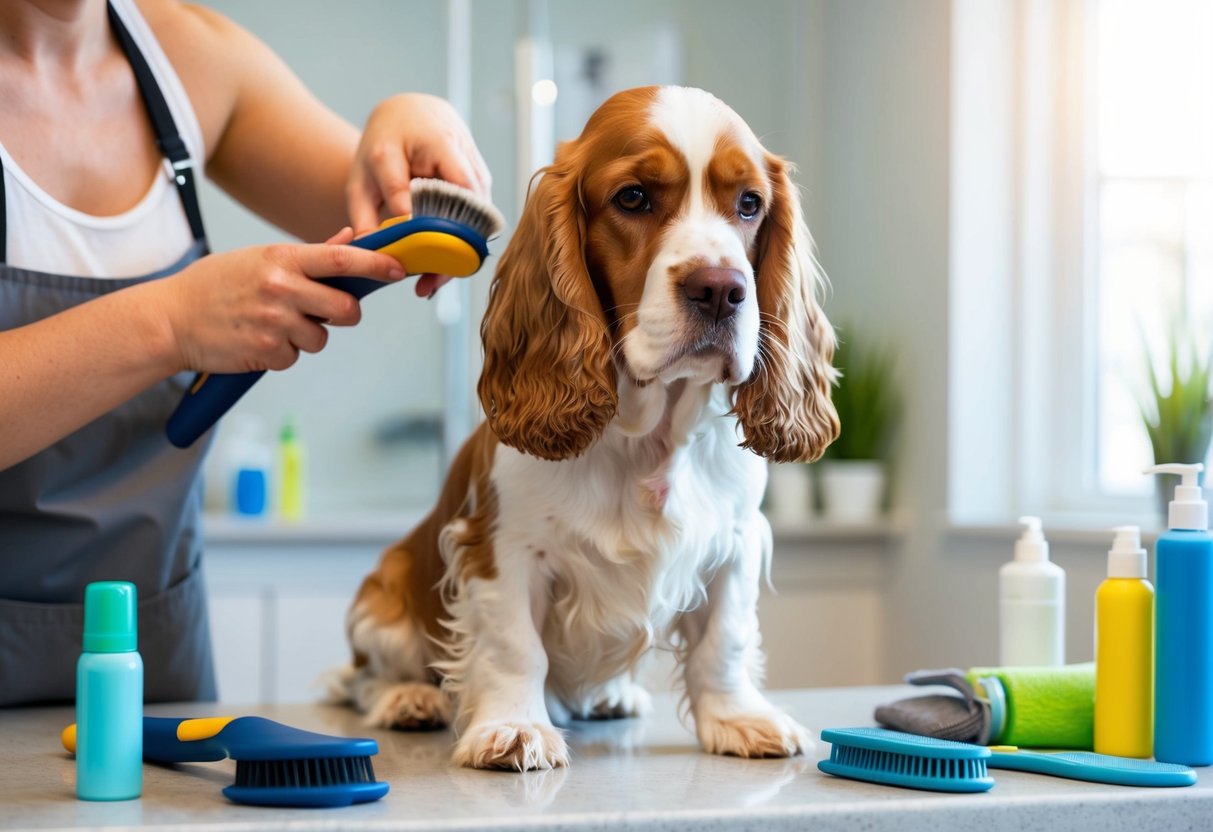
Keeping your Cocker Spaniel well-groomed is essential for preventing odors and maintaining their overall health. Regular grooming can help you avoid skin allergies and conditions that may lead to a smelly coat. Here’s what you need to know about their grooming routine.
Bathing and Coat Care
Bathing your Cocker Spaniel regularly is important to keep their coat clean and shiny. Use a gentle, dog-specific shampoo to avoid skin irritation.
Aim to bathe them every 4 to 6 weeks, depending on how active they are.
Brushing is key to removing loose fur and preventing tangles. Use a slicker brush or a comb designed for their coat type.
Focus on areas behind the ears and under the belly where mats can form. Regular brushing also helps distribute natural oils, keeping the skin healthy.
Don’t forget about ear cleaning! Cocker Spaniels are prone to ear infections due to their floppy ears. Check their ears weekly and clean them with a vet-recommended solution.
Diet and Anal Gland Health
A balanced diet is crucial for your Cocker Spaniel’s health. Feed them high-quality dog food to avoid skin allergies and health issues.
Poor diet can lead to weight problems, which may also affect their grooming.
Anal gland maintenance is another important aspect. In some dogs, these glands may not express naturally. This can lead to discomfort and odors.
Monitor your dog’s behavior—if they scoot or lick excessively, consult your vet.
Regular vet check-ups can help manage these issues before they become serious.
Prevention and Management of Odors
Managing odors from your Cocker Spaniel involves a few key practices that focus on health and hygiene. Keeping your dog clean and addressing any potential health issues can greatly reduce unwanted smells. Here are important steps to consider.
Regular Veterinary Check-Ups
Regular check-ups with your veterinarian are essential for preventing odors. Your vet can identify issues such as dental problems, yeast infections, or even kidney disease that could lead to bad smells.
Pay special attention to your dog’s teeth and gums. Tartar buildup can cause severe dental problems, leading to breath that is less than pleasant.
Your vet might recommend specific dental chews to help keep your dog’s teeth clean.
Also, make sure to discuss any signs of flatulence or upset stomach, as these can indicate dietary issues or allergies. Early detection and treatment of any underlying health problems can prevent odors before they begin.
Choosing the Right Products for Your Cocker Spaniel
Selecting the right grooming products is a key part of odor management. High-quality shampoos designed for dogs help clean the coat and control smells.
Aim for high-quality shampoos designed for dogs, as they help clean the coat and control smells.
In addition, regular brushing is important. Brushing helps remove loose hair and dirt, which can cause odors.
If your Cocker has long ears, be sure to clean them regularly too. Dogs with long ears are prone to ear infections, which can lead to strong odors.
When it comes to dental care, consider using dental chews. These can help reduce tartar and plaque, keeping your dog’s breath fresher.
Lastly, monitor for issues like impacted anal glands, which can also create strong odors. If you notice persistent smells, consult your vet to find the right solution tailored for your furry friend.


