
Ever wondered if chimps really feel sadness when one of their own dies? Turns out, they do mourn, but in their own unique ways. Chimps often stay close to the dead, grooming and caring for the bodies.
Chimps show clear signs of grief and mourning, with feelings that honestly seem a lot like what humans go through.

In zoos, when a chimp is dying, the others gather nearby. They’ll groom and comfort her until the end.
Wild chimp mothers sometimes carry their dead infants for weeks, still protecting and caring for them.
These actions make you wonder if chimps understand loss in a way that might surprise us.
Their grief can be touching and honestly, a bit fascinating. You might even feel a bit moved by how deeply they seem connected to each other.
Do Chimps Mourn Their Dead?
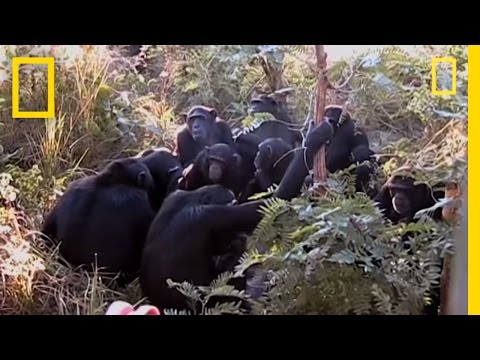
Chimps notice and react when a group member dies. They’ll stay close to the body, groom it, or even carry dead infants.
Not all chimps do the same thing, though. Their reactions really depend on the situation.
If you compare chimps to other apes, you’ll spot some similarities in mourning behaviors, but also some differences.
Evidence of Mourning Behaviors
You can see chimps acting very carefully around a dead group member. Chimp mothers sometimes carry their dead infants for days or even weeks.
They’ll groom the remains and swat flies away. Other chimps might touch, lift, or gently carry the bodies.
One study watched a group stay near a sick female as she died. They groomed and comforted her right up until the end.
After she passed, the group went quiet and seemed subdued for days.
These behaviors hint that chimps feel grief and realize when something big has happened.
Variations in Responses to Death
Chimps don’t all react the same way. Some leave the body alone pretty quickly.
Mothers, though, often show strong attachments to their dead infants by carrying and caring for them.
Sometimes chimps just watch a dying friend quietly. Other times, they stay close but won’t touch the body.
Their responses can depend on their relationship with the dead, their age, or past experience with death.
Scientists still aren’t totally sure if chimps understand death like we do. But their wide range of responses shows a complex awareness and some real emotional depth.
Comparisons With Other Apes
When you look at other apes—like gorillas and bonobos—you’ll notice some surprising overlaps. Gorilla mothers have also carried their dead babies for days.
Elephants, though not apes, sometimes stay close to their dead and handle bodies with care.
Bonobos have shown gentle, protective behaviors around a dead group member too.
Not every ape acts the same, though. Some show fewer signs of mourning.
These comparisons suggest mourning behaviors might be more common among apes than people used to think. There’s a real emotional bond and a kind of awareness about death here.
If you want to dig deeper, check out this chimpanzee mourning study from Science.
Observed Reactions to Dead Bodies

Chimps act in some pretty striking ways around the dead. They care for the bodies, and how they interact with each other changes after a death.
These behaviors offer a rare glimpse into their emotional world.
Carrying and Caring for the Deceased
Some chimp mothers carry their dead infants for days, sometimes even weeks.
They’ll groom and brush flies off the bodies during this time. The dead infants can dry out and even mummify while still being carried.
Younger chimps sometimes touch or move the bodies gently.
These actions aren’t random—they show a kind of care and attention, almost like how we might tend to someone we’ve lost.
Researchers studied this in Current Biology, watching two chimp mothers in Guinea carry their dead babies for nearly 20 to 70 days.
That’s a pretty strong response to death, especially when it’s a close relative.
Social Dynamics After a Death
When a chimp dies, the group’s behavior shifts in really obvious ways. Before death, other chimps will often crowd around a sick friend, grooming and keeping her company.
In one zoo study, adult chimps hung out near a dying female, grooming and touching her a lot. It’s hard not to feel something watching that kind of loyalty.
After she died, the whole group went quiet and barely moved for days. They didn’t groom her body anymore, but the calm, heavy mood stuck around.
These changes make you wonder if chimps actually grasp what death means. Their social bonds seem to shape how they react.
Family and close friends react the most, which says a lot about grief in chimp communities.
If you want to dig deeper, check out the detailed observations in Current Biology.


