
Ever wondered if chimps actually dislike eye contact? It’s not a simple yes or no. Chimps usually see direct, prolonged eye contact as a threat or a challenge, especially if they aren’t close with the other individual.
So, staring into a chimp’s eyes can make them feel uncomfortable or even defensive.
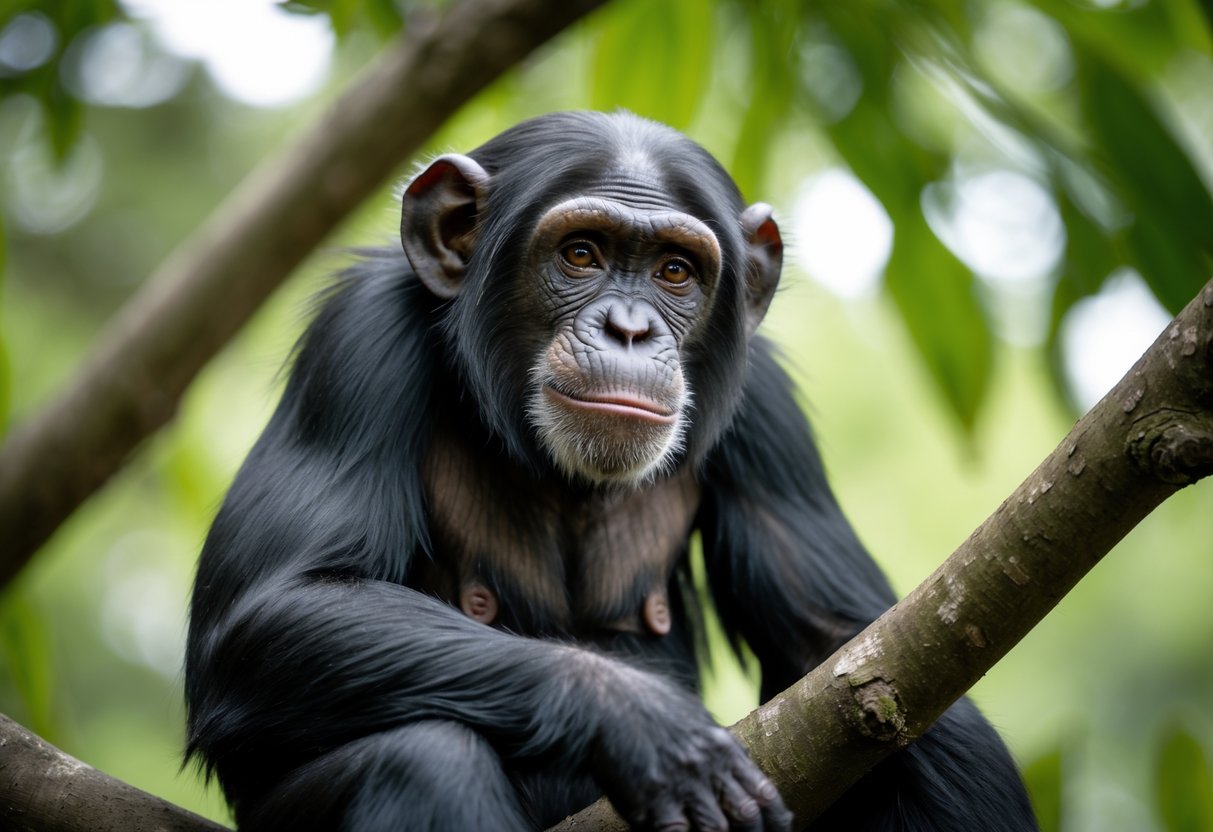
But honestly, not every chimp reacts the same way. Some, especially those raised with humans or among close family, might tolerate—or occasionally even enjoy—eye contact.
If you get how chimps use eye contact, you’ll have a better shot at reading their mood and interacting with them safely. Curious about what eye contact means to a chimp and why it matters so much? Let’s dig in.
Do Chimps Dislike Eye Contact?

Chimps use eye contact to communicate all sorts of things, but honestly, it’s not always what you’d expect. Their response to your gaze depends on their social habits, how they differ from humans, and what’s happening in that moment.
If you keep these things in mind, you’ll interact with chimps more safely and respectfully.
Chimpanzee Social Behavior and Gaze
In chimp groups, eye contact often signals power or a challenge. If you stare too long, the chimp might take it as a threat.
You could see aggressive reactions like charging or loud calls. But chimps also share quick, gentle glances with each other.
These brief looks are normal and usually mean curiosity or friendliness. Chimps who are close friends or family can hold eye contact longer without any drama.
With strangers or less trusted chimps, a long stare can make things tense. It’s probably best to keep your glances short and soft if you want to avoid trouble.
Comparing Chimp and Human Responses to Eye Contact
Humans usually see eye contact as a friendly gesture or a way to show interest. Chimps? Not so much.
They often read a long stare as a challenge or a warning. This is nothing like how dogs—or even people—use eye contact to build trust.
For chimps, quick glances might just mean curiosity. But holding your gaze too long? That’s basically a red flag for them.
Think of it like giving a polite nod to a stranger instead of just staring at them. It’s a lot less awkward.
Situational Differences in Chimp Reactions
Chimps raised around humans, like those in sanctuaries, usually don’t mind a bit of eye contact. Some of them seem totally fine with you looking at them for a moment or two.
Wild chimps, though, are much more sensitive about it. They often use eye contact to show dominance or to warn others.
A chimp’s reaction also depends on its personality. Some are curious and okay with brief eye contact.
Others get stressed or just avoid looking at you altogether. Watching their body language helps you know when it’s time to look away.
A few tips:
- Don’t stare for too long
- Use soft, short glances
- Watch their reactions to keep things safe
If you want more info, check out this article on eye contact with chimps.
Individual Variation Among Chimpanzees

Not all chimps react the same way to eye contact. Some will calmly hold your gaze, while others might look away quickly or seem a bit uneasy.
A lot of this comes down to personality and where the chimp lives.
Personality Differences in Gaze Tolerance
Just like people, chimps have their own personalities. Some actually enjoy looking into your eyes and might stare back with curiosity.
Honey B, a chimp at a sanctuary, is famous for her “intense” stares during mealtimes. She seems totally comfortable and interested.
But plenty of chimps would rather avoid eye contact, since it feels threatening. They might look away or focus on something else instead of locking eyes.
How a chimp reacts really depends on their individual nature and mood. Not every look means the same thing to every chimp.
Influence of Captivity and Environment
Where a chimpanzee lives really shapes how it deals with eye contact. Captive chimps usually get used to humans, so they might feel more at ease looking someone in the eye.
Sometimes, they even seem to enjoy it, probably because they feel safer or just familiar with the people nearby. It’s honestly kind of interesting.
In the wild, though, eye contact means something else entirely. Chimps out there often see a direct gaze as a challenge or even a threat.
So, wild chimps usually won’t hold your gaze for long. They’d rather avoid the drama.
When you hang out with captive chimps, pay attention to what their body language is telling you. Respect their comfort zone—some will look at you but won’t really stare.
That little bit of distance keeps things relaxed for everyone.
You can check out more about these behaviors at Chimpanzee Sanctuary Northwest.


