
Ever wondered if chimps cry when they’re sad? It’s a fair question, since they seem so much like us. Chimps definitely show emotions like sadness, but they don’t cry tears the way humans do when they’re upset. Instead, you’ll notice they use their faces, their voices, and even their bodies to let others know how they’re feeling.
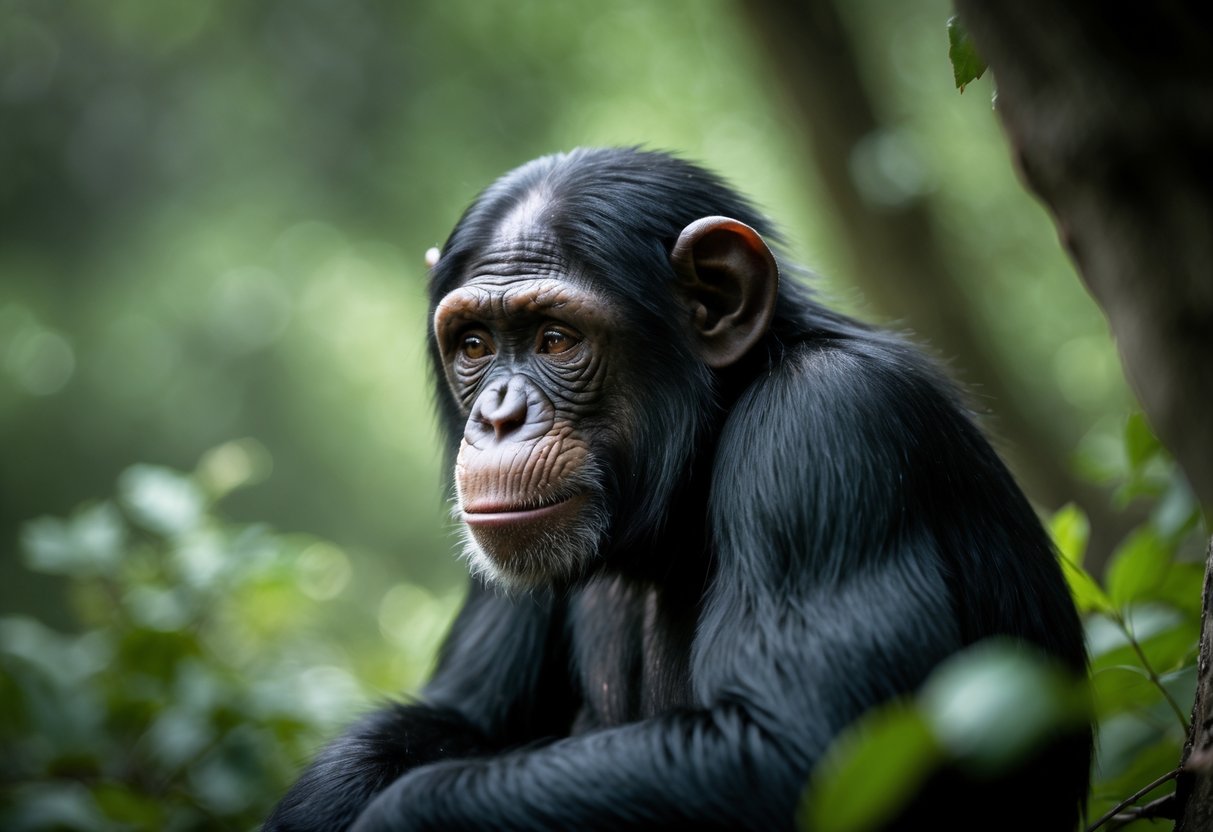
Chimps have tear glands, sure, but those just keep their eyes clean. If you hear a chimp making noises that sound like crying, or see them sigh, they’re still not actually shedding tears because of sadness. Their ways of sharing feelings aren’t quite like ours, but they matter a lot in chimp society.
Curious about how chimps talk about their feelings, or why they don’t cry like we do? There are some pretty surprising things about how these clever animals connect with each other.
Do Chimps Cry When Sad?

Chimps definitely feel sadness and other emotions, but they don’t cry tears like humans. Instead, they use all sorts of sounds, faces, and body movements to show what they’re feeling.
Their tear ducts just don’t work for emotional crying. Chimps’ bodies just aren’t built that way.
Scientific Reasons Why Chimps Don’t Shed Emotional Tears
Chimps have tear glands and ducts, just like us. But when they get upset, their tear ducts don’t start producing actual tears you can see.
Basically, they can’t cry tears of sadness the way humans do. Scientists figure this is because our emotions evolved differently from those of other primates.
Humans use tears as a big, obvious sign that we’re feeling something. Chimps—and their close cousins, bonobos—show what they’re feeling through actions and noises instead.
So, yeah, chimps’ eyes stay dry even when they’re feeling down. But they’re still communicating, just in their own way.
How Chimpanzees Express Sadness and Distress
When chimps feel sad or stressed, you’ll hear them whimper, scream, or make other calls. Their faces change, too—sometimes they scrunch up or frown.
They comfort each other a lot by hugging or gentle touches. Grooming is huge for chimps; it helps them calm down their friends.
You could say grooming and these gentle touches are their own version of showing empathy and sadness—just without tears.
Comparison With Human Emotional Tears
Humans cry for all sorts of reasons—sadness, happiness, even stress. Tears let others know what’s going on with us.
Chimps, though, don’t shed emotional tears, even though they feel things just as strongly. They show their feelings with body language, sounds, and social stuff.
It’s kind of wild, honestly. Humans use tears as a super clear signal, but chimps rely on touch and sound to get their feelings across. There’s a lot you can learn just by watching how chimps comfort each other, even if there’s not a single tear.
For more on this, check out how chimps show emotions through actions and sounds at Chimpanzees – Chimps of Virunga National Park.
Chimpanzee Emotional Expression

Chimps show their feelings in a bunch of clear ways. Just watch how they use their faces, their voices, and their actions to share emotions like joy, sadness, or fear.
Their ways of expressing themselves help them stick together and sort out social problems.
Understanding Chimpanzee Emotions
Chimps feel emotions a lot like we do—happiness, anger, grief, and more. If a chimp loses a friend, you might see them stay quiet or avoid others, kind of like people do.
They won’t cry tears, but you can spot their sadness in other ways. Chimps also feel things like jealousy and empathy.
If one chimp gets more food, another might get upset. But they also comfort their buddies by hugging or grooming when things get tough.
Sharing feelings like this keeps their groups close and connected.
Facial Expressions and Body Language
Chimps use a bunch of different facial expressions to show how they’re feeling. For example, a “fear grimace”—where they bare their teeth—actually means they’re scared, not happy.
When chimps play, you’ll see a “play face” with an open mouth, showing they’re having fun. Body language matters just as much.
Hugging and kissing are common ways chimps show care and help each other calm down. If they’re angry, they might slam the ground or throw things.
These actions make it pretty clear what mood a chimp is in, even without any words.
Vocalizations and Social Behaviors
Chimpanzees make all sorts of sounds to share their emotions. When they get into fights or feel scared, they’ll let out screams.
They even laugh while playing—a noise that’s weirdly close to human laughter and definitely shows joy.
Chimps stick together through grooming and hugging. If one gets upset, friends might wander over and comfort them by touching or cleaning their fur.
These little gestures really help ease stress and build trust. The group manages to stay pretty peaceful and, honestly, happier this way.
It’s clear that chimpanzees use a bunch of signals to show what’s going on inside. Watching them gives you a peek into their emotional world.
For more on how they express themselves, check Chimpanzee Emotional Lives.


