
Ever wondered if bees actually remember your face? It sounds a bit wild, but yeah, bees can recognize human faces.
Even with their tiny brains, bees look for patterns and shapes to spot and remember faces when they see someone again. This skill lets them interact with people in ways you probably wouldn’t expect.
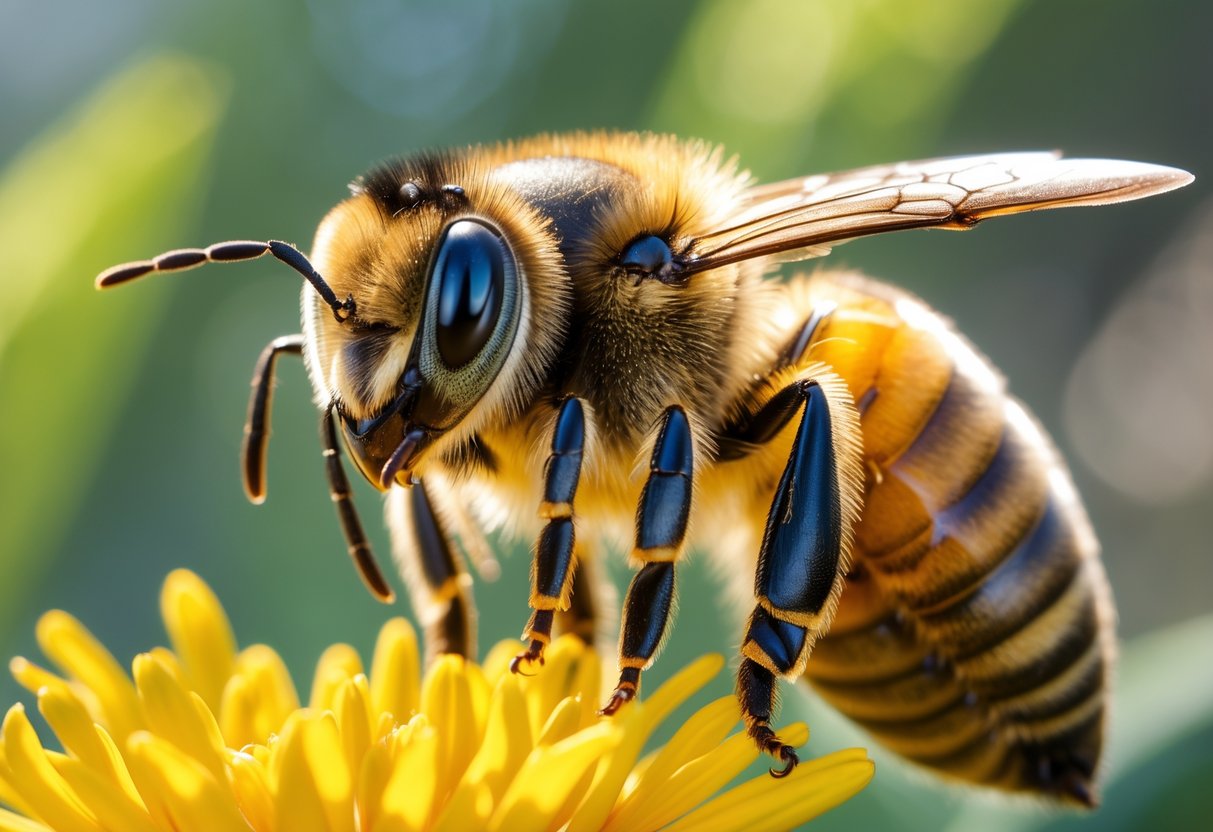
Bees don’t see faces like we do. They break down faces into parts—eyes, nose, mouth—and remember how these bits fit together.
This way of recognizing faces actually shows bees are smarter than their size suggests. Pretty impressive, right?
Learning that bees can remember faces might change how you see these busy insects. Their memory works in ways that help them live and interact with the world in surprisingly clever ways.
Bees aren’t just pollinators. They’ve got skills you wouldn’t guess at first glance.
How Bees Recognize and Remember Faces

Bees recognize faces by breaking them into smaller parts and patterns. Their brains are small, but they handle visual info well enough to tell faces apart.
They remember these details for a while, which helps with social stuff and getting around.
Scientific Studies on Face Recognition in Bees
Researchers have shown that honey bees, like Apis mellifera, can pick out human faces in experiments. In these studies, bees learned to connect certain faces with rewards.
Bees don’t see faces the way we do. They notice patterns made by features like eyes or mouths.
Even with less than a million brain cells, bees spot and remember these features. That kind of challenges old ideas about what insect brains can do.
If you want to dig deeper, there’s more research out there on how bees recognize faces.
Holistic Face Recognition in Honey Bees
Honey bees don’t just look at every little detail. They use holistic processing—basically, they see the whole pattern, not just the parts.
It’s kind of like working on a puzzle. The way pieces fit together matters more than each piece on its own.
Bees process faces as unique arrangements, not just a list of eyes and noses. This helps them tell each other—and even us—apart.
Bees’ Memory Retention Abilities
Once a bee recognizes a face, it can remember it for a while. Bees have a pretty good memory for visual patterns, especially for insects.
Experiments show honey bees can recall faces they’ve learned for hours or even days. Not perfect, but still impressive.
This memory helps bees navigate and communicate with other bees. If you’re curious, there are studies on bee cognition and visual learning that go into more detail.
The Role of Innate Flower Templates and Visual Learning in Bees
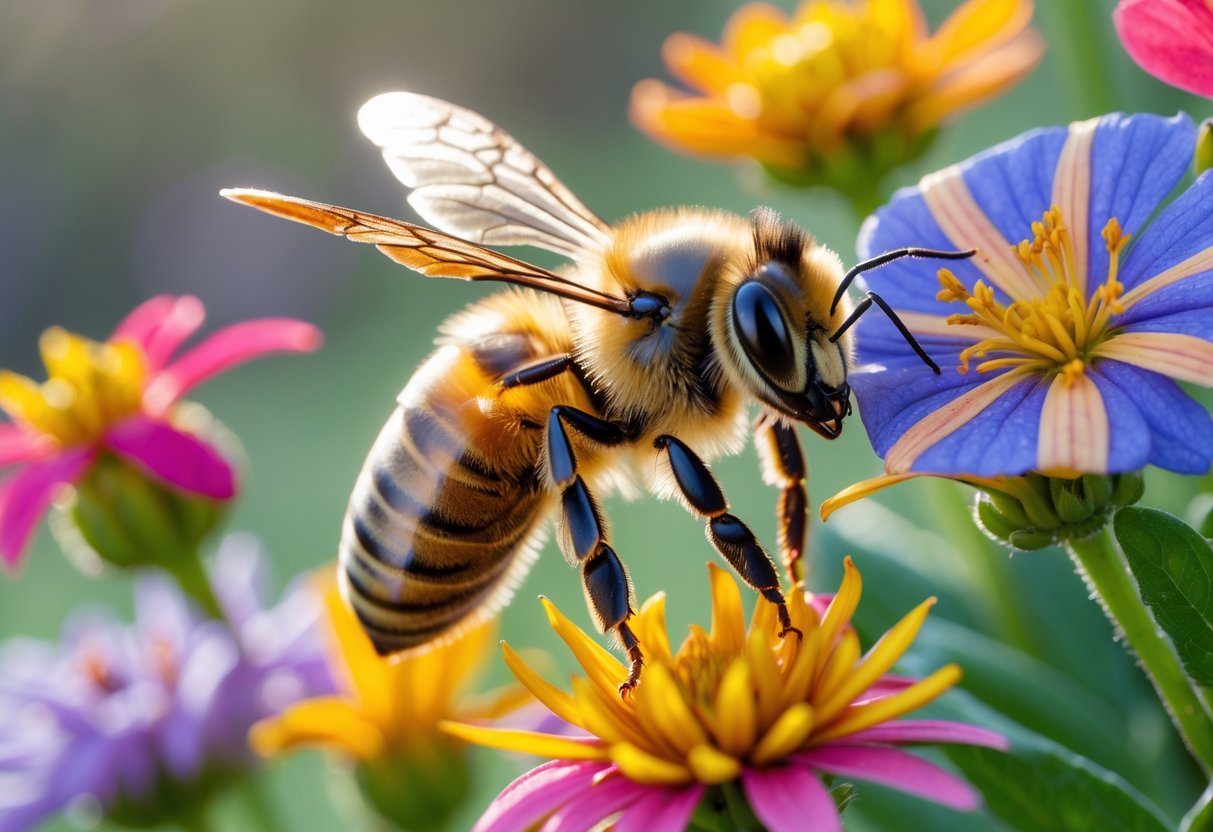
Bees use both inborn mental patterns and what they learn from experience to find flowers. These skills help them pick out the details they need to get food.
Innate Flower Template and First-Time Foraging
When a honeybee or bumblebee leaves the hive for the first time, it already carries an innate flower template in its brain. The bee is basically born with a simple mental image of a flower.
This helps the bee spot flowers with nectar, even if it’s never seen that kind before. The template gives the bee a head start, making flower searching way easier.
It doesn’t have to guess from scratch. Its brain already likes certain shapes and patterns.
That’s a huge help, especially when the bee needs food quickly to keep going.
Visual Discrimination Abilities in Bees
When you spend more time foraging, you start to tell flowers apart much more easily.
Bees actually notice tiny differences in things like shape, color, and pattern.
That knack is called visual discrimination, and honestly, it helps you figure out which flowers are worth coming back to.
If you’re a flower-naive bee, you might pick up on weird or scrambled flower shapes faster, since you don’t have any strong preferences yet.
But once you’ve been out there for a while, you’ll probably stick to flowers you already know.
Your bee brain stores those shapes, so you remember which flowers gave you rewards before.
With this mix of natural instincts and learned details, you can handle new flowers but still rely on what you know.
You’re not just reacting to your surroundings—you’re actually remembering specifics to make better choices.
If you’re curious, there’s a study out there that digs into how bees find and remember flowers.


