
Beavers are fascinating creatures known for their impressive engineering skills. If you’re curious about their role in the UK ecosystem, you might wonder if these animals have any predators. In the UK, large carnivores like wolves and bears are absent, so adult beavers typically have no natural predators. However, young beavers, especially kits, can fall prey to animals like red foxes.
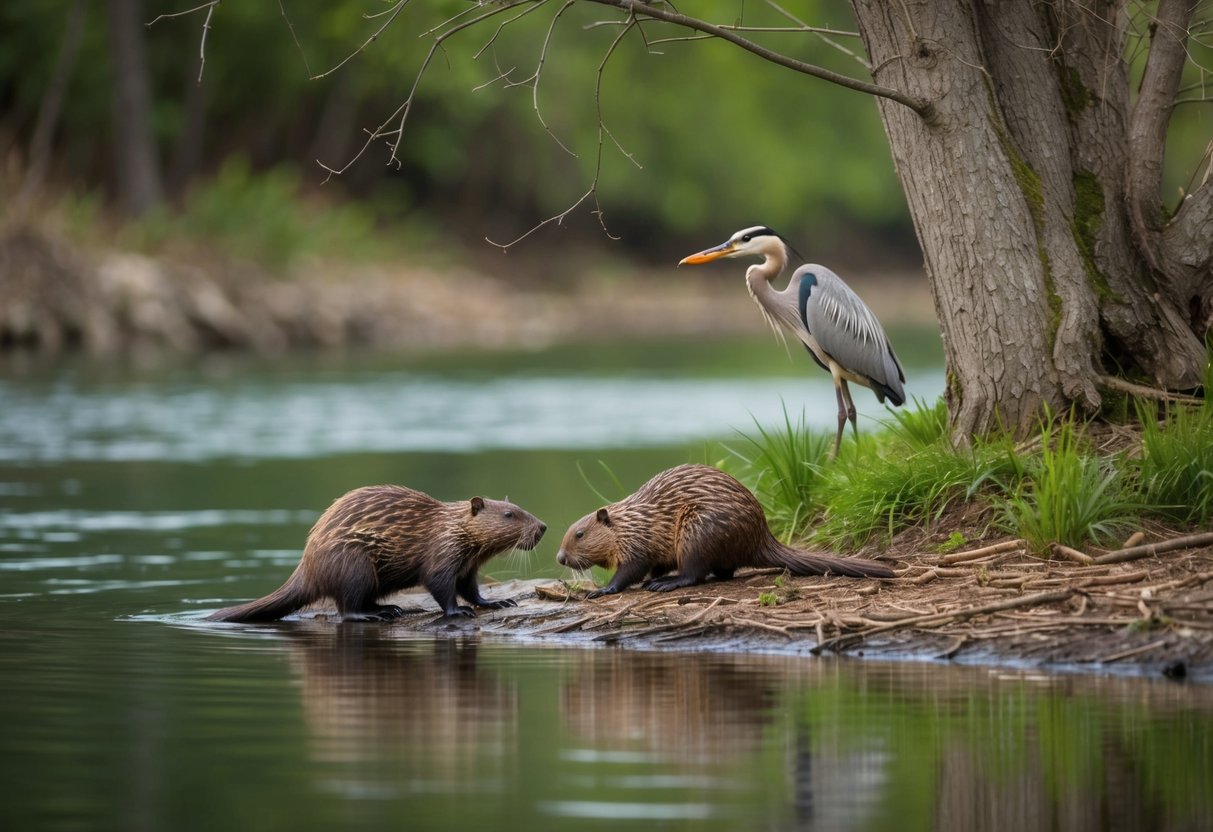
As their population grows, the challenges they face in their habitat may change. While adult beavers are safe, the increasing number of these animals can sometimes lead to conflicts with humans. This can stir up debates about management and conservation.
If you’re looking to learn more about the dynamics of beaver populations and their impact on local wildlife, keep reading. There’s much to discover about how beavers navigate their world and the role they play in shaping their habitats.
Understanding Beavers in the UK
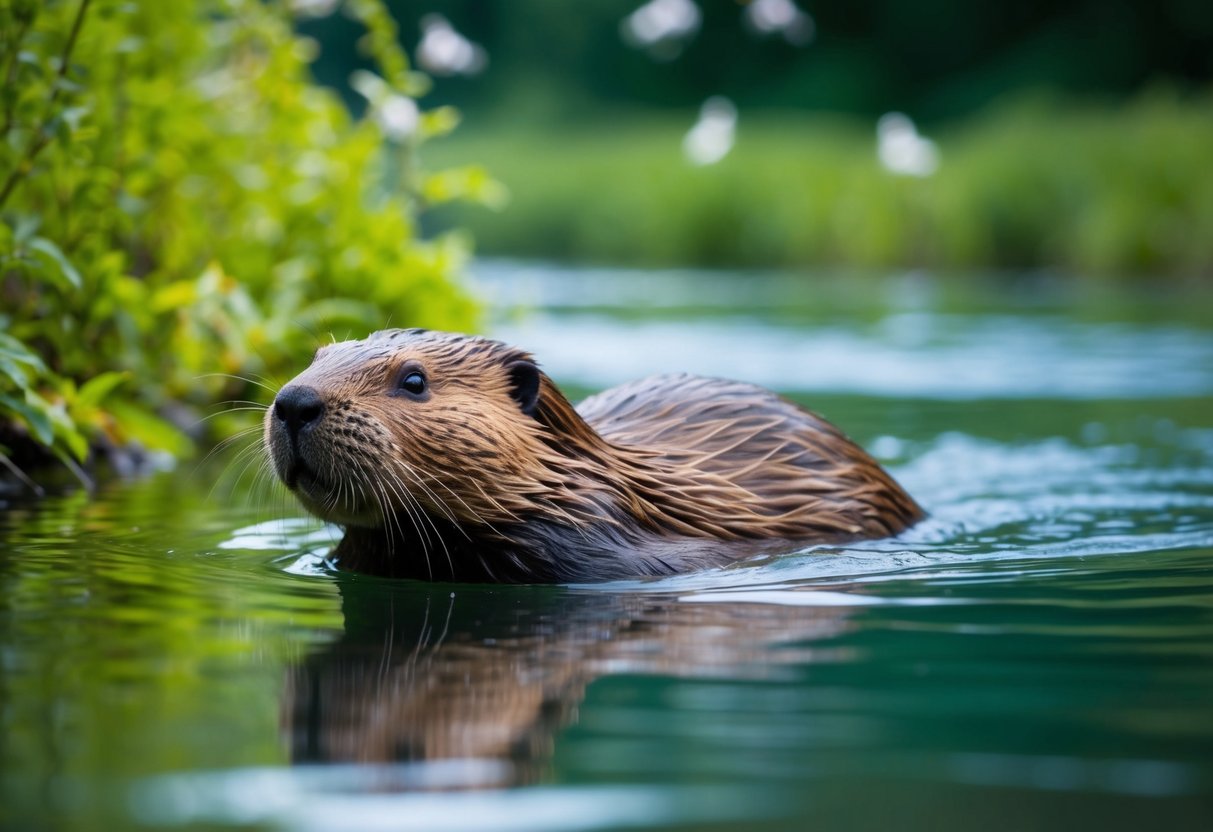
Beavers play a vital role in their ecosystem, impacting both the environment and other species. You will discover specifics about their species, habits, and importance in the UK.
Species and Distribution
The Eurasian beaver, known scientifically as Castor fiber, is the species found in the UK. They have been reintroduced in several areas, particularly in Scotland and England. Their habitats include wetland regions, where they thrive in rivers, streams, and ponds.
Beavers build structures called lodges, using branches and mud. These lodges provide shelter and a safe place for breeding. Beavers also create burrows along riverbanks. Their activity leads to the formation of wetland areas, which serve as rich habitats for various wildlife.
Physical Characteristics and Behaviors
Eurasian beavers are recognizable by their large, flat tails, webbed feet, and robust bodies. They typically weigh between 50 to 100 pounds and can grow up to 4 feet long. Their fur is waterproof, helping them stay warm while swimming.
Behaviorally, beavers are active mostly during dusk and dawn. They are known as “keystone species” because their damming activities significantly alter their environment. This transformation creates wetland ecosystems that support many other species.
In family groups, beavers work together to maintain their lodges and keep their habitats functional. Watching them in the wild can be a delightful experience, as they are generally curious and social animals.
Beaver Habitats and Their Ecosystems
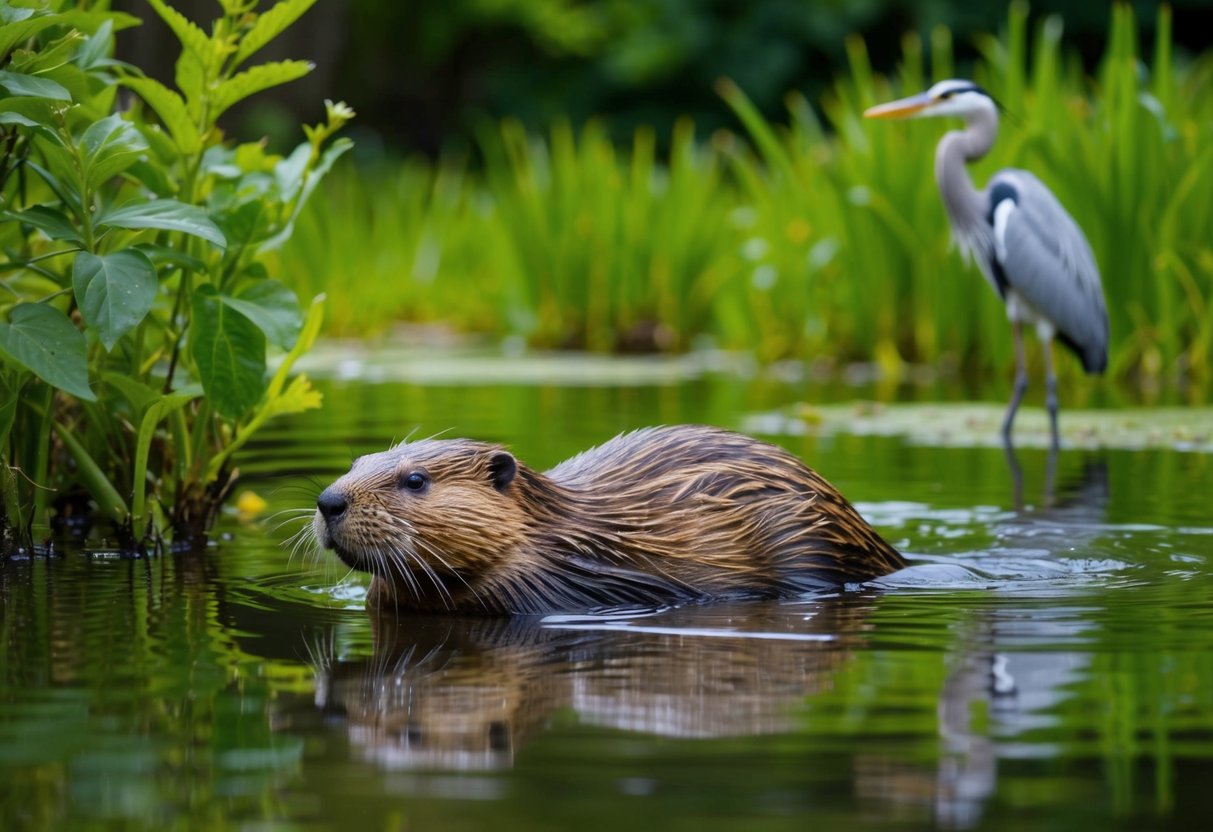
Beavers play a vital role in shaping their environments. Their activities create diverse habitats and boost local biodiversity. Understanding how they impact ecosystems helps you appreciate their importance.
Impact on Biodiversity
Beavers are often called “ecosystem engineers.” Their dams create ponds, which become rich habitats for various species. These wetlands support fish, amphibians, and numerous invertebrates. The flooded areas promote the growth of aquatic vegetation, which in turn attracts birds and other wildlife.
By building lodges and dams, beavers increase habitat complexity. This variety helps sustain diverse plant and animal life. For example, areas near beaver ponds often have higher biodiversity compared to regions without their influence.
Their actions also help maintain water quality in streams and rivers. The slowing water allows sediments to settle, which benefits aquatic life. Beavers’ presence ultimately supports healthier freshwater ecosystems.
Wetland Creation and Management
Beaver dams create wetlands that offer valuable environmental benefits. These areas act as natural carbon sinks, helping to store carbon and reduce greenhouse gases. The ponds created by beavers also hold water during dry periods, supporting local ecosystems.
Many regions face challenges like flooding or loss of water quality. Beaver activity can mitigate these concerns by slowing down water flow, which reduces erosion. Wetlands also act as natural filters, improving water quality as it passes through.
Managing these wetlands is essential for conservation. By understanding how beavers operate, you can appreciate their role in enhancing ecosystems. Supporting their presence can lead to healthier streams, rivers, and more vibrant habitats for all wildlife.
Beaver Predation and Protection in the UK
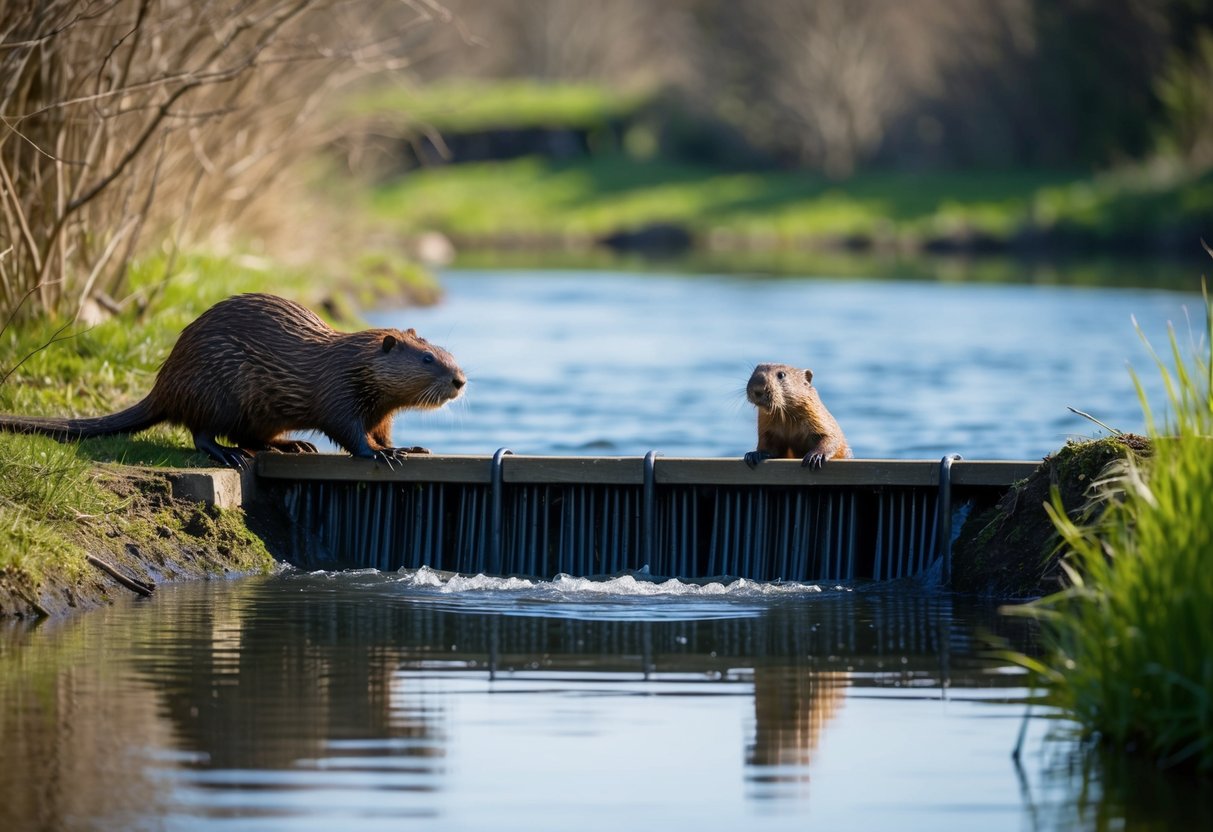
In the UK, beavers face certain natural risks from predators, but efforts to protect them have become much stronger. Understanding these predators and the ongoing conservation work is crucial for anyone interested in beaver welfare.
Native Predators and Risks
In the wild, beavers can fall prey to several native species. Their most common predators include foxes, birds of prey, and otters. Young beaver kits, in particular, are more vulnerable to these threats.
The presence of these predators is a normal part of the ecosystem. In regions like Scotland, where beaver populations are growing, you might even find larger predators, such as lynx and historically wolves, though these are not common today.
Beavers can be protective of their young, and once they reach a certain age, they are less susceptible to predation. However, it’s still essential to monitor populations to ensure a healthy balance in the ecosystem.
Conservation Efforts and Legal Protection
To safeguard the beaver population, significant conservation efforts are underway. Since October 2022, Eurasian beavers in England are legally protected under European law. This means it is now illegal to capture, injure, or disturb them in any way.
Organizations like the Gloucestershire Wildlife Trust and the Shropshire Wildlife Trust work tirelessly to educate the public about beaver habitats and their importance to wildlife. These steps help promote wildlife conservation.
Moreover, reintroduction programs are crucial for maintaining and boosting beaver populations. They play a vital role in improving water quality and reducing flood risks, ultimately benefiting the entire ecosystem. Always remember that by protecting beavers, you also support the broader health of wildlife in your area.
The Role of Beavers in Shaping Landscapes
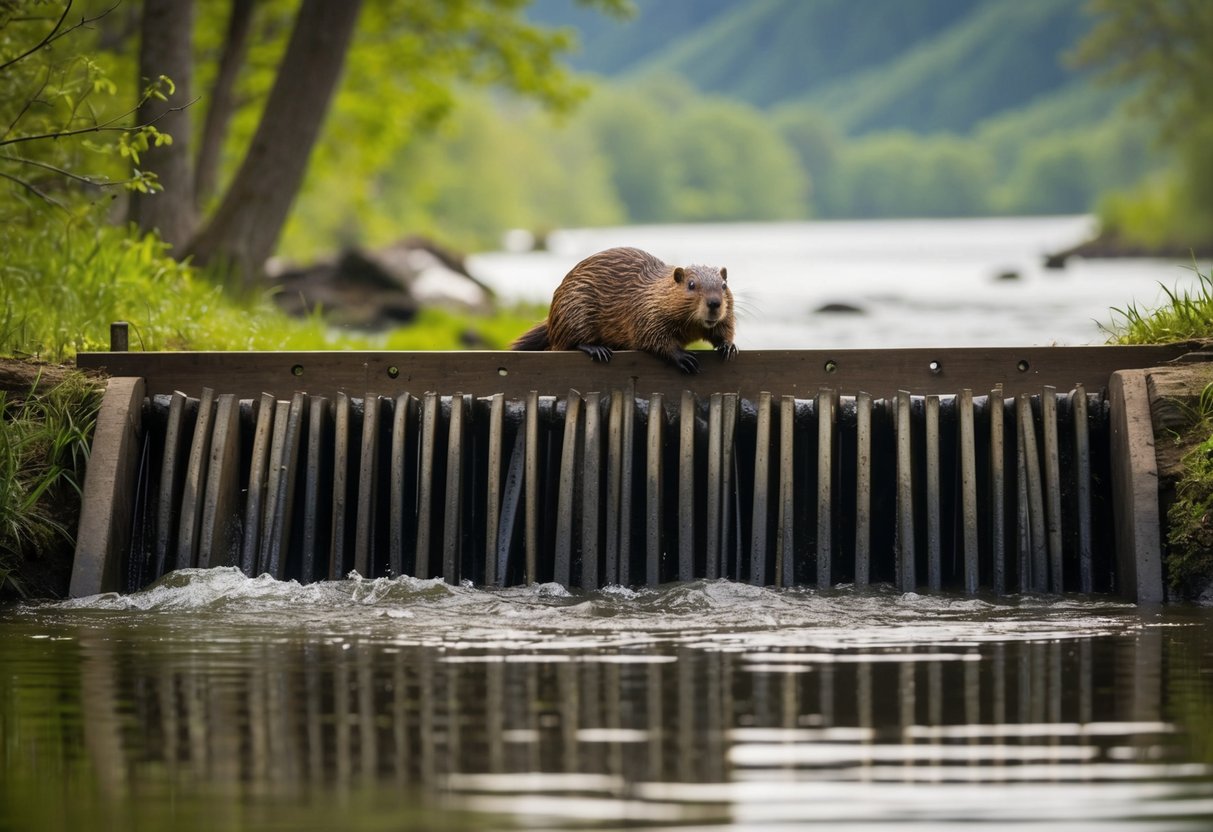
Beavers play a crucial part in altering their environments. Their activities create unique ecosystems that support diverse wildlife while also interacting with human land use.
Beaver Damming and Flooding
Beaver dams are impressive structures made from branches, mud, and stones. These dams create ponds that can significantly change local landscapes. When a dam is built, it slows down water flow and leads to flooding in nearby areas.
This flooding can be beneficial as it helps create wetlands. Wetlands support many species, from birds to fish. They also act as natural filters, improving water quality.
Beavers are herbivorous, often feeding on trees and plants near water bodies. While their activities can sometimes lead to flooding on agricultural land, this water can also help recharge groundwater supplies during droughts. Beaver dams can enhance fish passage too, allowing various fish species to thrive.
Interactions with Human Activities
Beavers can lead to conflicts with human activities. For example, when beavers build dams, they might flood roads or agricultural land. This flooding can increase the risk of damage during heavy rains.
In places like Scotland, the Scottish Beaver Trial has shown how beavers can be managed alongside farming. Successful management strategies help balance their ecological benefits with agricultural needs.
Beavers also offer benefits like wetland creation and biodiversity support. Understanding these dynamics can lead to better coexistence with this unique species.


