
Beagles are known for their playful and curious nature, but this can sometimes lead to a common problem: poor recall. As a beagle owner, you might find yourself frustrated when your dog follows a scent instead of returning when called.
Many beagles do have a reputation for bad recall, largely due to their strong sense of smell and independent instincts.
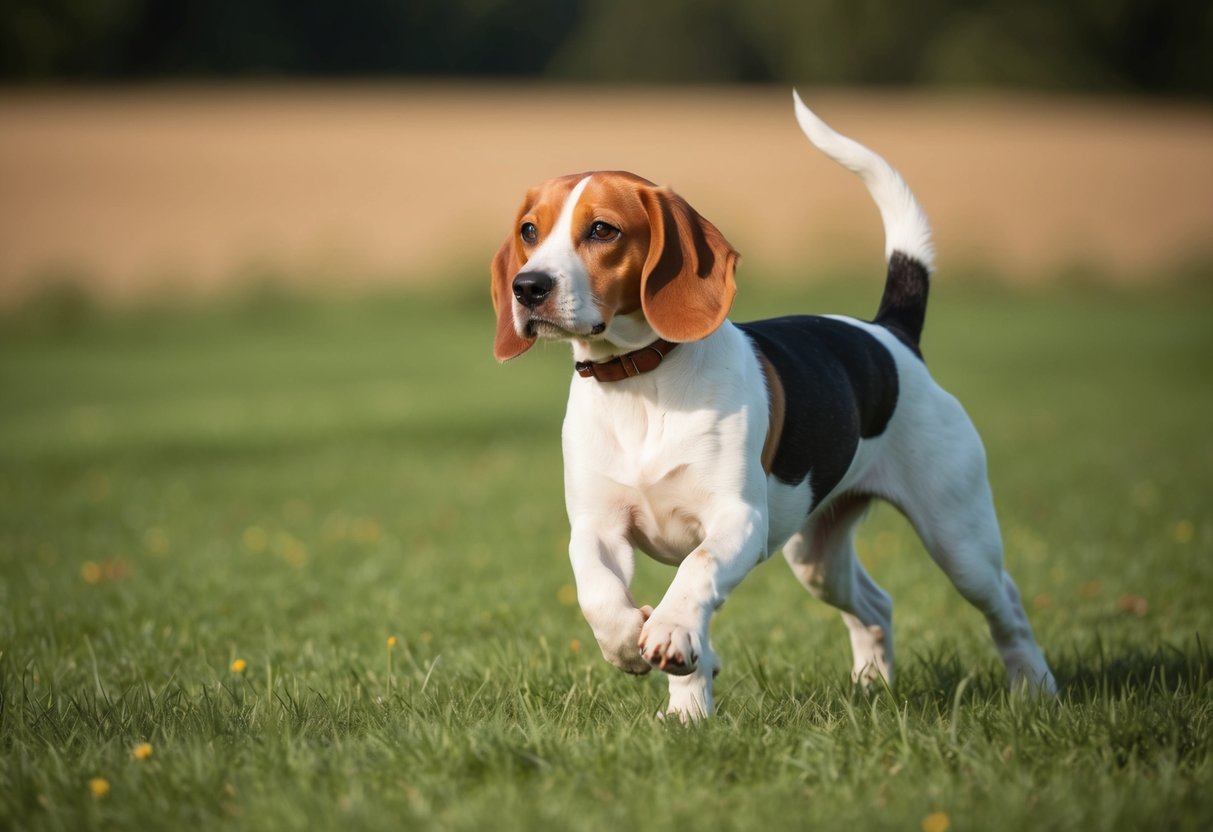
If you’ve ever tried calling your beagle back only to watch them wander off, you’re not alone. This issue often arises because their noses can overpower their training.
To successfully train your beagle, you need to use positive reinforcement methods. Find high-value treats and reward your dog every time they come to you to help improve their recall skills.
Understanding your beagle’s natural instincts is key to addressing recall challenges. With patience and proper techniques, you can enhance their ability to respond to your commands, making outdoor adventures more enjoyable for both of you.
Understanding Beagle Behavior

Beagles are unique dogs with specific traits that influence their behavior. Knowing these traits can help you understand your beagle better and improve their training, especially regarding recall.
Inherent Traits of Beagles
Beagles were originally bred as hunting dogs. Their strong sense of smell and tracking ability drives them to follow scents without much thought. This natural instinct may make them appear stubborn at times.
While they are friendly and affectionate, their hunting background means they can easily get distracted. When they pick up an interesting scent, recalling them can be challenging.
Because of this instinct, it’s important to socialize your beagle early. Engaging them around other dogs and people helps them learn to focus in different environments. Using positive reinforcement is key. When they respond well, reward them with treats or praise to encourage good behavior.
Energy and Exercise Needs
Beagles are energetic dogs that need regular exercise. Without proper activity, they can become bored, which might lead to unwanted behavior like barking or digging.
Daily walks, playtime, and mental stimulation, such as puzzle toys, are essential. These activities help keep their minds sharp and reduce distractions during training.
Consider using games that tap into their keen sense of smell, like hide and seek. This not only provides exercise but also helps reinforce their recall skills. When you give your beagle the right outlets for their energy, they are more likely to listen and respond to commands.
Foundations of Recall Training
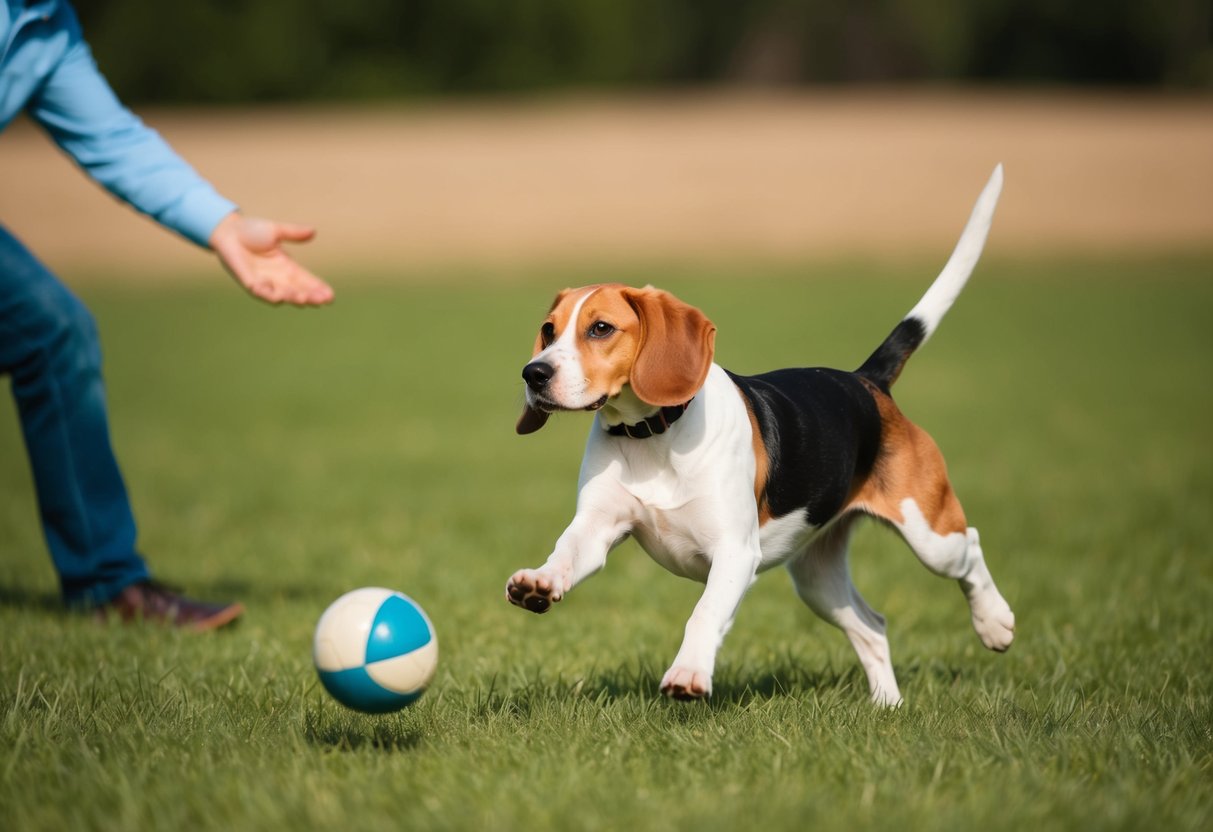
Training your Beagle to respond to recall commands is essential for safety and fun. This section covers the key aspects of recall training, including the importance of the recall command, positive reinforcement techniques, and tips for setting effective training sessions.
Importance of Recall Command
The recall command is the foundation of communication between you and your Beagle. It ensures that your dog returns to you when called, which is especially important in situations with distractions.
Start training in a quiet space with minimal distractions. This helps your Beagle focus on you rather than outside noises or smells. Use a consistent command, like “come,” so your dog learns to associate that word with returning to you.
The importance of this command cannot be overstated, as it can keep your Beagle safe in potentially dangerous situations. Remember, a solid recall can even save lives.
Positive Reinforcement Techniques
Positive reinforcement is highly effective when training a Beagle. Always reward your dog with treats, praise, or playtime when they successfully follow the recall command.
Use high-value treats to motivate your Beagle. You can also mix in different rewards to keep training exciting. For example, start with a favorite toy or a fun game after they come to you.
Be patient and consistent in your approach. It may take time, but reinforcing good behavior will help your Beagle understand that coming when called is a rewarding experience.
Setting Training Sessions
Setting up effective training sessions is key to success. Aim for short, fun training sessions of about 5-10 minutes. This keeps your Beagle engaged without overwhelming them.
Start with fewer distractions, and then gradually introduce more challenging environments. This helps build confidence and reinforces the recall command.
Always end your sessions on a positive note, even if progress was slow. Celebrate small successes, as this will motivate your Beagle to keep trying.
Executing Recall Training Effectively

Training your Beagle to have good recall takes effort and time. Focusing on specific techniques can help make your training sessions effective. Here, you’ll find helpful tips for teaching your Beagle recall, handling distractions, and the importance of consistency.
Teaching Your Beagle Recall
Start teaching your Beagle recall in a quiet area with fewer distractions. Use a simple command like “come” or “here.” Make sure to say the word clearly and in a happy tone.
Using treats is a great way to motivate your dog. When your Beagle comes to you, reward them right away. This helps them connect the command with a positive outcome.
Practice recall often throughout the day, even during walks. If your Beagle doesn’t respond, avoid repeating the command too many times. This can weaken its effectiveness. Instead, try calling them once, then gently help them come to you if needed.
Handling Distractions During Training
Beagles can easily get distracted by scents or noises. When you first start training, keep the environment calm. Gradually introduce more distractions as your Beagle improves.
Use a long leash during training outside. This allows for distance while keeping your dog safe. If they get distracted, gently pull them back without pulling too hard.
In time, expose your Beagle to different settings, such as parks with other dogs or people. Remain patient and reward them when they successfully ignore distractions and respond to your recall command.
Consistency and Patience
For successful recall, consistency is key. Always use the same recall command. Make sure everyone in the household is on the same page with training techniques.
It’s essential to practice regularly. Short, positive sessions work best, as Beagles are more likely to stay engaged. Repetition helps reinforce their learning.
Patience is equally important. Beagles may take longer to respond due to their stubborn nature. Avoid showing frustration. Instead, celebrate small successes. This will create a positive connection with recall training, making it an enjoyable experience for both you and your Beagle.
Enhancing Training With the Right Tools
Using the right tools can make a big difference in your beagle’s training. One key tool is selecting effective training treats that motivate your dog and encourage good behavior.
Choosing Appropriate Training Treats
Choosing the right training treats is essential for effective beagle training. Look for treats that are small, soft, and easy to chew. This helps your dog focus on the training instead of struggling with a hard treat.
You can use commercial dog treats, but homemade options can also work well. Try pieces of cooked chicken, cheese, or even baby carrots. Just ensure the treats are healthy and appropriate for your dog’s diet.
Remember to keep your treats low-calorie. This helps prevent weight gain while still rewarding your beagle for a job well done. The right treats can keep your training sessions fun and effective!


