
If you have a Beagle, you might have noticed them digging from time to time. Beagles do dig a lot, and this behavior is often linked to their instincts and energy levels. Understanding why your Beagle digs can help you manage this behavior better and keep your dog happy.

Beagles are active and curious dogs. They were originally bred for hunting, which brings out their natural digging instinct. When bored or left alone, they may dig to entertain themselves or explore their surroundings.
It’s important to keep them mentally and physically stimulated to reduce unnecessary digging.
By learning more about Beagle digging habits, you can find ways to channel this behavior positively. Providing activities and toys can make a big difference. Embracing your Beagle’s energetic nature will help ensure they stay engaged and content.
Understanding Beagle Digging Behavior

Beagles are known for their curious nature and energetic personalities, which can often lead to digging. Exploring the reasons behind this behavior can help you manage it effectively.
Exploring the Instinctive Reasons for Digging
Beagles have strong digging instincts rooted in their history as hunting dogs. This breed was initially bred to track small animals, leading them to dig when they sense something underground. This natural digging behavior can sometimes show up in your yard or even indoors.
When your Beagle digs, they may be following their instincts. This can be a fun way for them to engage with their environment. Understanding this instinctive urge can help you direct their energy in more suitable ways.
The Role of Exercise and Mental Stimulation
Beagles require regular exercise and mental stimulation to stay healthy and happy. If they don’t get enough physical activity, they may resort to digging as a way to burn off excess energy.
Regular walks, playtime, and interactive games are essential to prevent undesirable digging behaviors.
Consider incorporating puzzle toys or training exercises to keep their minds engaged. A mix of physical and mental activities can help reduce boredom, keeping your Beagle satisfied and less likely to dig.
Separation Anxiety and Boredom as Triggers
Digging can also stem from separation anxiety or boredom. If your Beagle feels anxious when left alone, they might dig to cope with those feelings. Similarly, a lack of engagement can lead to destructive behavior, including digging.
To address this, ensure you spend quality time with your Beagle and provide them with engaging toys. Consider a structured routine that includes playtime, training, and downtime to help ease their anxiety and curb unwanted digging.
Preventing and Managing Digging
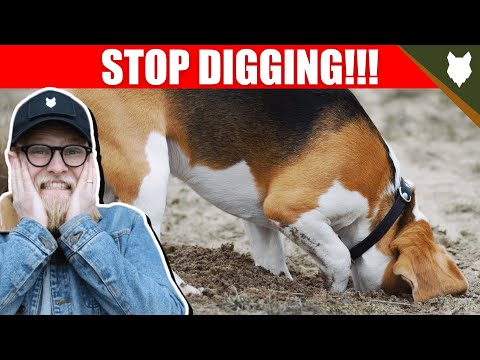
Managing your Beagle’s digging behavior involves using positive reinforcement, creating an area where they can dig, and providing engaging toys and activities. Here’s how you can effectively address this issue.
Effective Use of Positive Reinforcement
One of the best ways to curb your Beagle’s digging is through positive reinforcement. When your dog digs in an acceptable area or engages in other positive behaviors, reward them immediately.
This can be through treats, praise, or playtime.
Be consistent with rewards. Each time your Beagle chooses not to dig where they shouldn’t, let them know you appreciate it. Over time, they will learn which behaviors make you happy.
Having a fun space to dig can also fulfill their curiosity and need to explore.
Creating a Designated Digging Area
Designating a specific digging area can be very helpful. This could be a dirt box or a sandpit that you fill with loose, soft soil. Encourage your Beagle to dig in this spot instead of your garden or yard.
Make it interesting by burying treats in the digging area. This not only gives them a fun activity but also satisfies their instinct to dig. Each time they dig in the right spot, offer praise or treats, reinforcing the behavior you want.
Choosing Appropriate Toys and Activities
Providing engaging toys and activities is crucial.
Puzzle toys filled with treats can keep your Beagle occupied and mentally stimulated. They work to get the food out, which can satisfy their digging instincts in a controlled way.
Another idea is to play games like hide-and-seek with treats. Burying treats in different spots encourages your dog to use their nose instead of their paws.
Regular exercise is also important to burn off excess energy, which can reduce the urge to dig.
Integrating Beagles into Your Living Space

Your living space plays an important role in your beagle’s happiness. By considering factors like landscaping and understanding their vocalization, you can create a welcoming environment. Here are some tips to help you integrate your beagle into your home smoothly.
Landscaping with Beagles in Mind
When landscaping, think about your beagle’s natural digging behavior. To manage a digging problem, create designated digging areas with materials like sand or soft mulch. This way, your beagle can dig without harming your plants.
Include low-maintenance plants that are safe for dogs, as beagles love to explore. Avoid toxic plants such as lilies and azaleas.
Also, install sturdy fencing to keep your beagle secure while allowing safe outdoor play.
Create shaded spots with a dog house or portable canopy for relaxation. A well-planned yard reduces the risk of your beagle getting too bored or anxious.
Understanding Beagle Vocalization and Curiosity
Beagles are known for their vocalization. They may bark or howl when they’re bored, anxious, or trying to get your attention. Understanding this behavior can help with training and socialization.
Beagles are also naturally curious. To manage their curiosity, provide engaging toys and regular exercise. This can help satisfy their need to explore without excessive vocalization or stubborn behavior.
Socialize your beagle with other pets and people to reduce anxiety. This will not only help them feel comfortable but also lessen excessive vocalization at home. Remember, a happy and well-exercised beagle is typically a quieter one!


