
Beagles are known for being one of the most vocal dog breeds, and you might wonder about their barking behaviors, especially when it comes to strangers.
Yes, beagles do bark at strangers, often as a way to alert you to something unusual or to express their excitement. This barking is part of their natural temperament and is influenced by their socialization experiences.
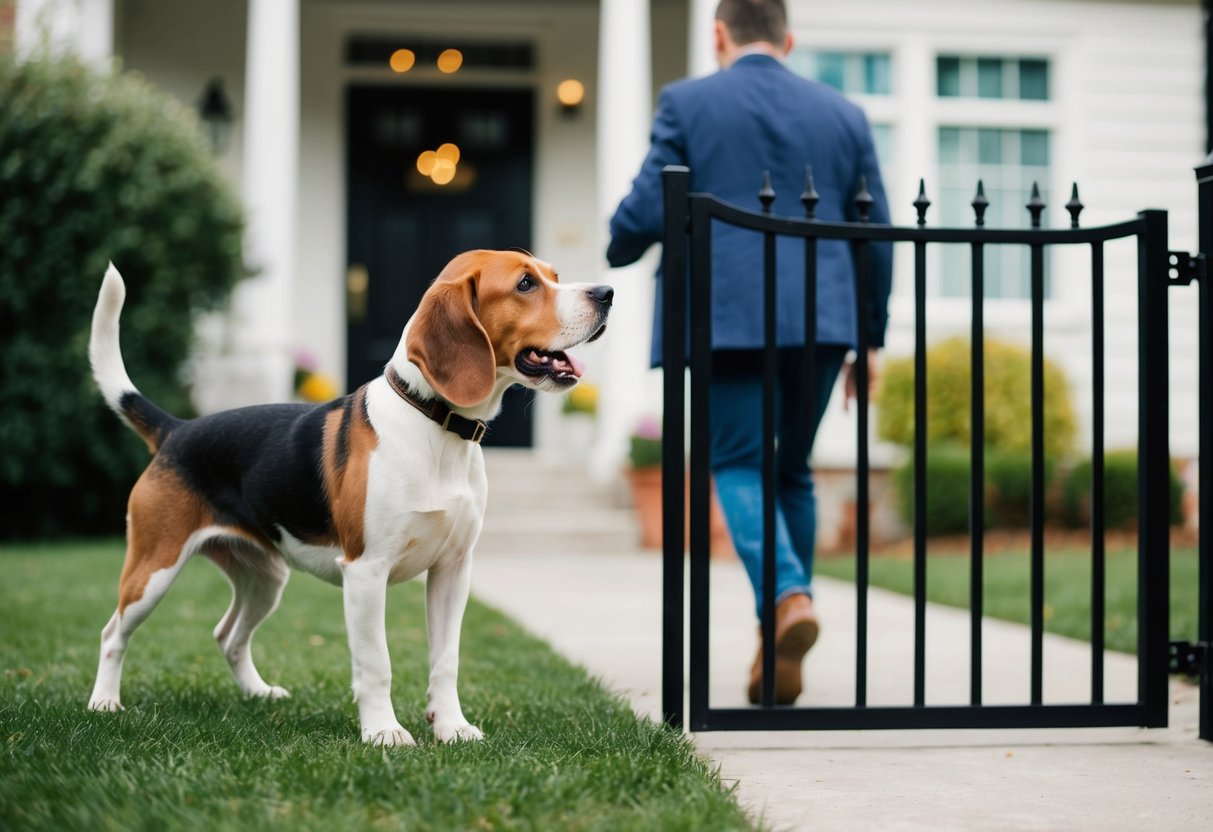
It’s important to understand that beagles are generally friendly dogs, but their barking can be a means of communication. They may sound off when they see someone unfamiliar, as this behavior is rooted in their instincts.
Socializing your beagle early can help reduce excessive barking and make them more comfortable around new faces.
If you own a beagle, you’ll likely enjoy their vocal nature, but it’s essential to manage their barking, especially around strangers. Learning more about their barking tendencies can help you create a calm environment for your furry friend.
Understanding Beagle Behavior and Barking
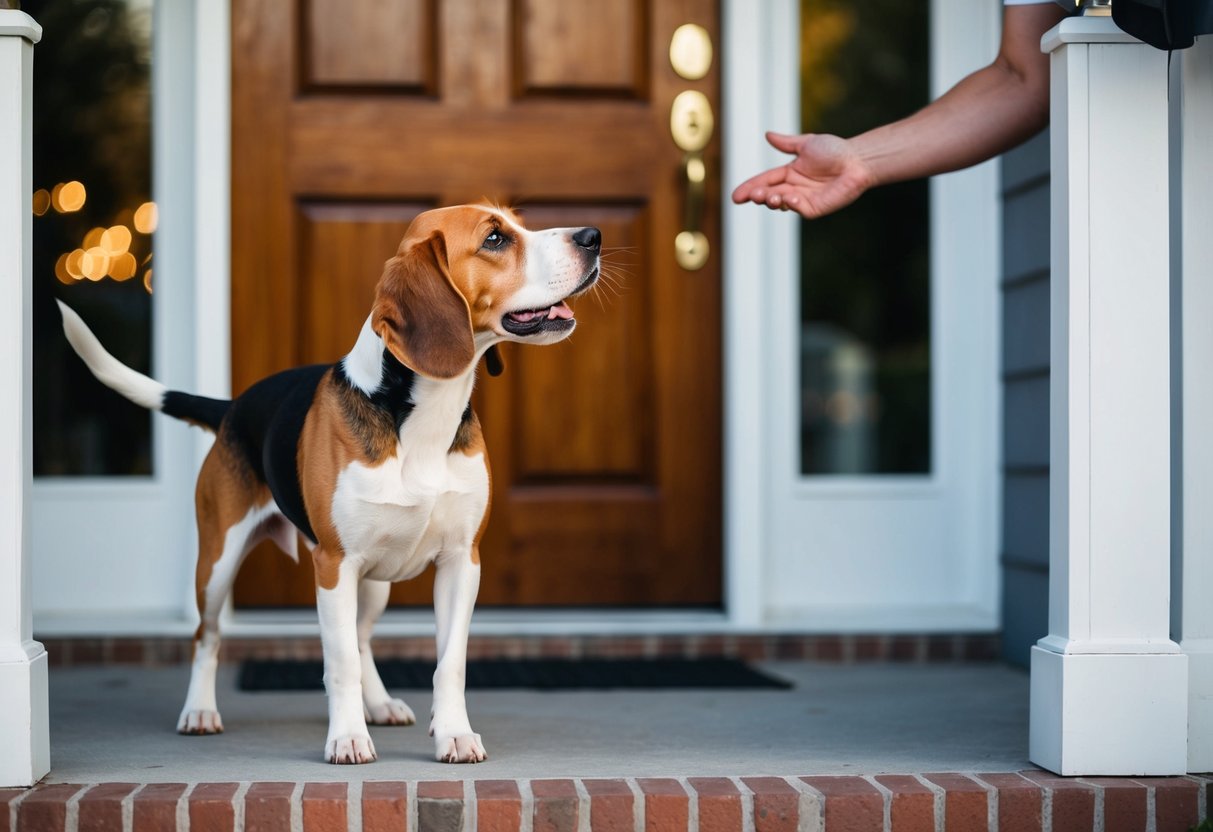
Beagles are known for their vocal nature, and their barking can reveal a lot about their feelings. Understanding this behavior is essential for any owner. You will see how vocalization connects to their breed traits and what common reasons drive their barking.
The Beagle Breed and Vocalization
Beagles are a type of scent hound, which means they were originally bred for hunting. This background influences their barking behavior significantly.
These dogs use barking as a way to communicate their excitement, needs, or warnings. Their natural instincts encourage them to be vocal, making them more likely to bark than some other breeds.
It’s also essential to recognize the types of barking. For instance, a beagle may bark to alert you of strangers or to express excitement during playtime. Understanding these nuances helps you respond appropriately.
Reasons Behind Barking
Beagles can bark for various reasons, and knowing these can help you manage their behavior. Here are some common reasons:
- Anxiety: Beagles may bark when they feel anxious or scared, especially around loud noises.
- Excitement: A beagle often barks when they are excited, such as during play or when meeting new people.
- Boredom: If left alone for too long without mental or physical stimulation, your beagle may resort to barking out of boredom.
- Hunger: Sometimes, barking is simply a way to express their hunger or request food.
Each reason requires a different approach to help them feel more secure and reduce unnecessary barking.
Separation Anxiety and Barking
Separation anxiety is a serious issue for beagles and can lead to excessive barking. When left alone, beagles may feel distressed, causing them to vocalize their discomfort. This barking can range from repetitive barks to howling, which can be quite loud.
To help with this problem, consider the following strategies:
- Provide Exercise: Ensure your beagle gets plenty of physical and mental exercise. A tired dog is often a quieter dog.
- Gradual Alone Time: Start with short periods of leaving your beagle alone and gradually increase the time. This can help your dog adjust.
- Engaging Toys: Use interactive toys or puzzles to keep your beagle engaged while you’re away. This can reduce their anxiety and barking.
By addressing separation anxiety effectively, you can help your beagle feel more comfortable and reduce their barking when you’re not home.
Training and Managing Barking
Managing barking in beagles can be achieved through effective training techniques, adequate exercise, and proper socialization. Understanding these elements will help you reduce excessive barking at strangers and create a peaceful environment for both you and your dog.
Positive Reinforcement Techniques
Positive reinforcement is a powerful method for training your beagle. When your dog barks at strangers, redirect their attention and reward them when they stop barking. Use treats, praise, or toys to reinforce good behavior.
Create a consistent command like “quiet” that you use whenever your beagle barks. Repeat this command firmly yet kindly. When they respond, reward them instantly. This approach helps your dog understand that being quiet is desirable.
Consistency is key. Practice this several times a day, especially during encounters with strangers. Over time, your beagle will learn to associate staying quiet with positive rewards.
Exercise and Mental Stimulation
Beagles are active and curious dogs. If they don’t get enough exercise, they can become bored and bark excessively.
Regular walks or runs can help tire them out physically.
Incorporate playtime into your daily routine. Games like fetch or tug-of-war provide a fun outlet for energy. Additionally, puzzles and interactive toys stimulate your dog mentally, reducing boredom.
Aim for at least 30 to 60 minutes of exercise each day. A tired dog is often a quiet dog. By keeping your beagle active, you’ll likely see a decrease in their barking at strangers.
Socialization and Its Impact on Barking
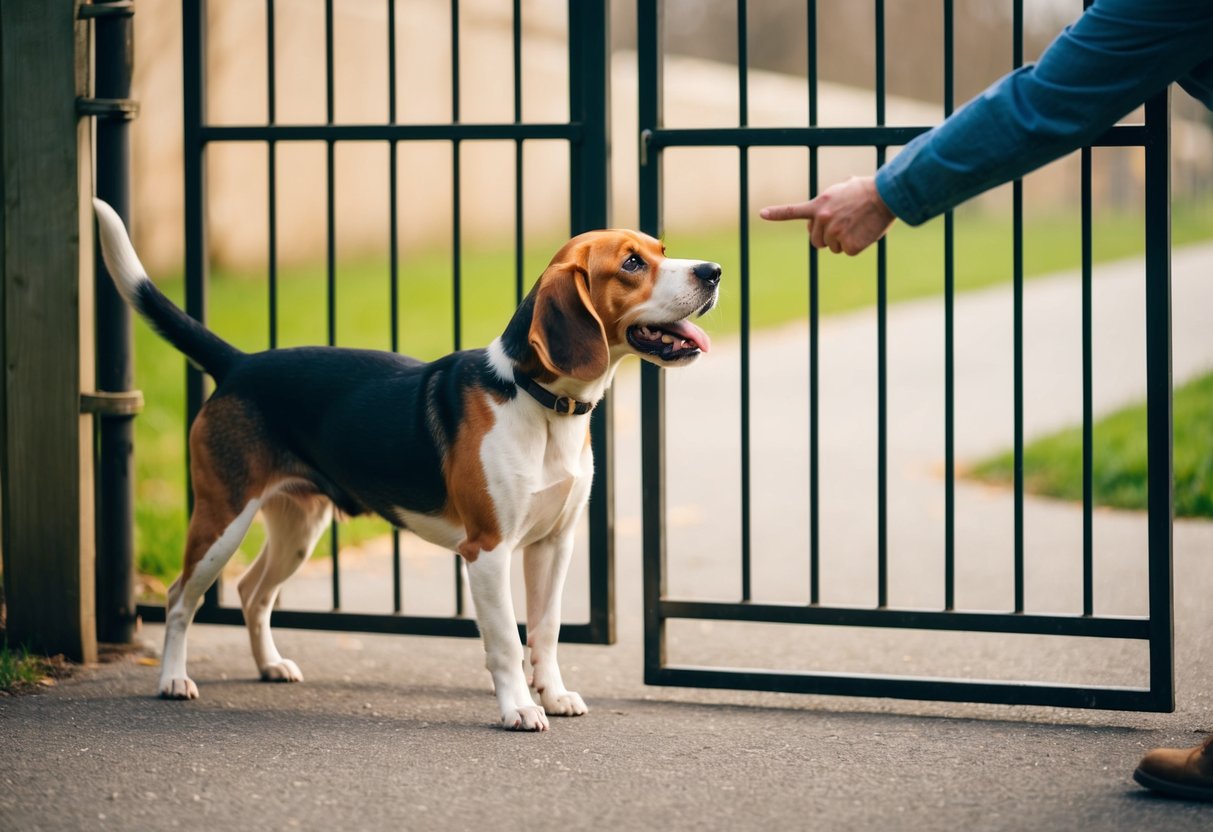
Socializing your beagle is crucial to help them feel comfortable around strangers. Start introducing them to new people and environments while they are young. This exposure can reduce their tendency to bark out of fear or uncertainty.
Use positive reinforcement during socialization. When your dog meets someone new without barking, reward them with treats or praise. Gradually increase the number of new experiences as your beagle becomes more confident.
Remember to be patient. Socialization is a process that helps your beagle learn to trust and accept new situations. As they become more sociable, you will likely notice less barking overall.
Addressing and Preventing Problem Barking
When your beagle barks at strangers, it can become a problem, especially if the barking is excessive. Understanding how to address and prevent this behavior is important for both you and your dog. Here are key points to consider.
When Barking Becomes Excessive
Excessive barking can stem from excitement, boredom, or anxiety. Beagles are known for their vocal nature, but you can manage their barking with patience and training.
Start by identifying the triggers. If your beagle barks at strangers or loud noises, note these situations.
Ignoring the barking can teach your beagle that excessive noise won’t get attention. Instead, wait until they stop barking before reacting. This may take time, but consistency is key.
Make sure your beagle gets enough physical exercise. Daily walks and play can help curb unwanted barking due to pent-up energy.
Tools and Techniques for Reducing Barking
Using the right tools and techniques can make a big difference. A bark collar might be effective, but it’s essential to choose one that uses positive reinforcement instead of punishment.
Consider these options for training:
- Clicker Training: This method rewards your beagle for quiet moments. Use a clicker to mark the behavior you want and follow with a treat.
- Desensitization: Gradually expose your beagle to people or situations that cause barking in a controlled way. Reward them when they stay calm.
- Calming Aids: Products like calming treats or pheromone diffusers can help ease anxiety.
These methods, combined with regular training sessions, can reduce problem barking. Your beagle will learn to be quiet and calm in various situations.


