
Bats often evoke a mix of fear and fascination, but it’s important to look at the facts. Some bats can pose health risks due to diseases like rabies, but most bats actually aim to avoid humans and are not harmful. This misinformation can lead to unnecessary panic, overshadowing the crucial role bats play in our ecosystem.

As mammals, bats contribute to public health by controlling insect populations. They eat vast amounts of insects, which helps reduce pests that can damage crops and spread diseases. By understanding their behaviors and benefits, you can appreciate the importance of bat conservation and how it positively impacts your environment.
You might be surprised to learn that the fear surrounding bats often comes from myths rather than reality. Learning more about these creatures can help you gain a new perspective and recognize that they are more friend than foe in our world.
Understanding Bats and Human Safety

Bats are important to our ecosystem, but it’s natural to have concerns about their safety around humans. Here, you will learn about diseases linked to bats, the risks of bat bites, and the truth about vampire bats.
Diseases Associated with Bats
Bats can carry several diseases that pose health risks to humans. The most well-known is rabies, a serious virus that can be fatal if not treated timely. While less than 1% of bats carry rabies, it’s crucial to avoid contact. If you get bitten or scratched, seek medical care immediately.
Other diseases include histoplasmosis, a respiratory illness caused by fungus found in bat droppings. In addition, bats may harbor viruses such as Nipah, Ebola, and even some strains of coronavirus. Taking precautions can reduce your risk of exposure to these infectious diseases.
Instances of Bat Bites
Though bites from bats are rare, they can happen if you handle them or get too close. Bats usually avoid humans, but if they feel threatened, they might bite in self-defense. It’s best to never approach or touch a bat, even if it looks injured.
If you ever find yourself bitten, wash the wound with soap and water right away. Contact a healthcare provider to discuss the need for vaccination against rabies. Remember, prompt medical care can prevent complications and ensure your safety.
The Reality of Vampire Bats
Many people fear vampire bats because of their name. However, they are quite different from what you might expect. Vampire bats, which are mostly found in Central and South America, feed on the blood of animals, but not humans.
Most bats are not bloodsuckers and play vital roles in pest control and pollination. The media often exaggerates these creatures, but truthfully, they rarely pose any direct threat to people. By understanding these facts, you can appreciate bats for their ecological benefits while keeping safe.
The Role of Bats in Ecosystems
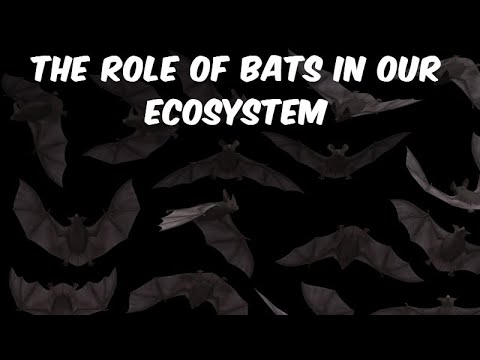
Bats play a critical role in maintaining ecological balance. Their diets significantly influence pollination and seed dispersal, which are crucial for biodiversity. Understanding these roles helps you appreciate why these creatures are essential to our environment.
Bat Diet and Pollination
Many bat species, like fruit bats, are vital pollinators. They consume nectar and transfer pollen from flower to flower while feeding. This action helps over 500 plant species produce fruits and seeds, including crops like bananas and avocados.
Bats are particularly important in tropical ecosystems, where flowers often depend solely on them for pollination. By supporting these plants, bats help sustain wildlife that relies on these resources, such as insects and other animals.
Their nighttime activity allows them to pollinate different plants than day-active pollinators, expanding the range of plants that thrive in these areas. Your gardens can flourish thanks to these flying allies!
Seed Dispersal and Regrowth
Bats are excellent seed dispersers. After consuming fruits, they excrete seeds in new locations, allowing plants to grow away from their parent trees. This behavior is especially crucial in tropical forests, where many trees depend on bats for propagation.
As bats travel great distances each night, they help ensure diverse plant growth. This aids in forest regrowth, promoting healthy habitats for other wildlife. Bats also help manage forest compositions, influencing which plants thrive.
In times of habitat loss and climate change, their role in seed dispersal becomes even more critical. Without bats, certain plants might struggle to reproduce, affecting local ecosystems and the animals that depend on them.
Bat Population and Biodiversity
A healthy bat population contributes to overall biodiversity. Bats feed on insects, helping control pest populations. This aspect helps farmers and homeowners manage crops without depending heavily on pesticides.
Various bat species inhabit different ecosystems, from tropical rainforests to deserts, showcasing their adaptability. The loss of bat populations can lead to increased insect outbreaks, resulting in food shortages for many animals.
Maintaining bat habitats is essential for conserving biodiversity. By protecting these mammals, you help support entire ecosystems and promote a balanced environment. Your community can benefit from bats as natural pest controllers and essential players in the web of life.
Preventing Negative Encounters with Bats

Being aware of how to prevent negative encounters with bats can help keep you safe while also allowing for bat conservation. By implementing proper measures, you can minimize risks and encourage a healthy coexistence with these creatures.
Professional Wildlife Control
If you notice bats in your home or property, consider contacting professional wildlife control services. These experts can safely remove bats without harming them. They understand bats’ behavior and can help prevent them from returning.
When choosing a service, ensure they follow ethical practices. Look for companies that focus on bat conservation. They may use exclusion methods, which allow bats to leave without getting trapped. This is important, especially for species like the big brown bat.
Safe Practices for Handling Bats
If you encounter a bat, avoid direct contact. It’s best not to approach or handle them unless you are trained. If a bat accidentally touches you, wash your hands thoroughly.
In case of a bite or scratch, wash the area with soap and water and seek medical help as soon as possible. Remember, while encounters are rare, it is important to act swiftly, as bats can carry rabies. Maintain a distance from bat droppings, also known as guano, as they can pose health risks.
Creating Bat-Friendly Environments
Creating bat-friendly environments at home while keeping your space safe is easy. Install bat houses outside to encourage bats to roost away from your property. This not only helps control insects but also supports healthy bat populations.
Make sure to seal your home properly to prevent bats from entering. Repair any holes or gaps in the roof and walls. This helps avoid unwanted guests while still allowing bats a safe habitat nearby.
Be mindful of urbanization that displaces bats. Keeping natural habitats intact contributes to their survival and reduces conflicts with humans. Also, avoid using harmful pesticides that can impact bat food sources, like insects.


