
Watching a baby squirrel can be a delightful experience. These small creatures, full of energy, may look like they know how to navigate trees right from birth. While baby squirrels are born unable to climb, they begin developing their climbing skills around eight weeks old. This journey from being helpless little ones to agile climbers is both fascinating and important for their survival.
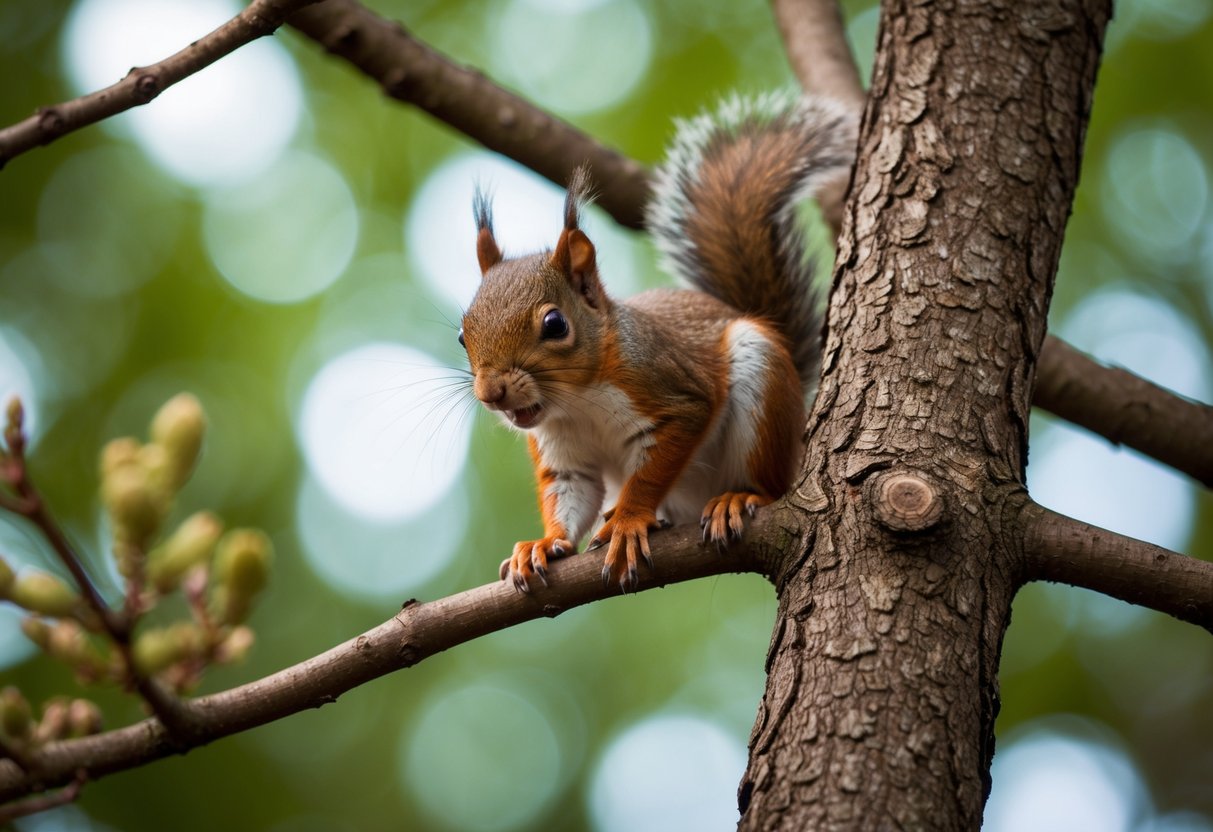
As you observe them, you might notice that their initial attempts at climbing are clumsy. Baby squirrels practice by trial and error, gaining confidence and skill over time. Watching them learn can be fun, and it shows how playful behavior is essential for their growth, too.
If you’ve ever wondered how these little critters grow into the expert tree climbers you see darting around in parks, the process is all part of their natural development. With the right encouragement and a bit of practice, baby squirrels quickly adapt to their vertical world, preparing them for life in the wild.
Understanding Baby Squirrels

Baby squirrels go through several important stages as they develop. Their physical traits and behavior play crucial roles in their ability to climb and navigate through their environment. Knowing these details helps you understand how they grow and learn.
Early Life Stages and Development
Baby squirrels, or kits, are born blind and hairless in a cozy nest called a drey. Their mother provides vital care, keeping them warm and fed with her milk. As they grow, they begin to develop the skills they need.
Around three to four weeks old, baby squirrels start to open their eyes and grow fur. This is when their curiosity grows. They begin to explore their surroundings, which includes climbing in their nest and nearby branches. By eight weeks, they are weaned, and their playful nature pushes them to venture further, often climbing trees and using their growing strength.
Physical Attributes for Climbing
Several features help baby squirrels climb effectively. Sharp claws are one key aspect. These claws provide excellent grip as they navigate tree trunks and branches.
Their tails are another important attribute. A baby squirrel’s tail helps with balance while climbing. It acts as a rudder, steering them as they leap from branch to branch.
As they age into juvenile squirrels, their climbing skills become more refined. They learn to control their movements and use their physical attributes to thrive in their environment. With practice, climbing becomes second nature, essential for their survival.
Climbing Techniques and Challenges
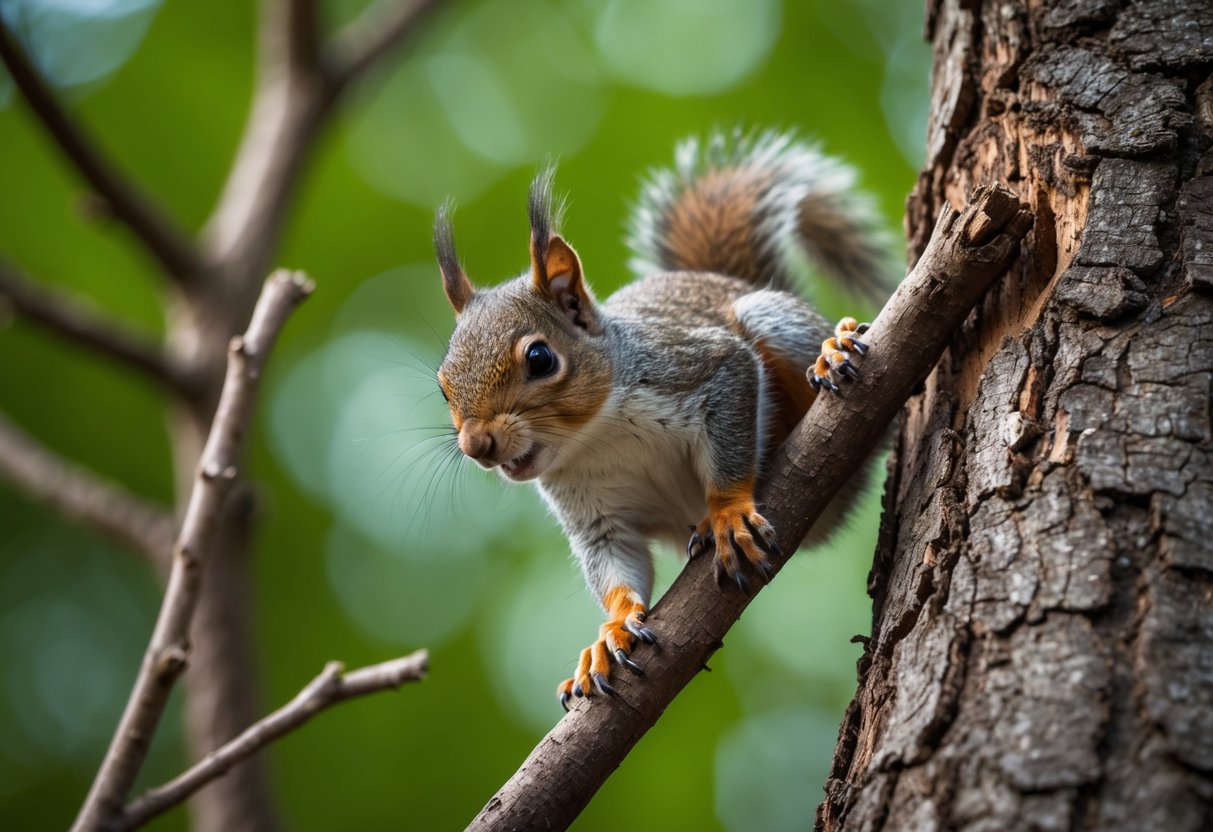
As baby squirrels grow, they develop essential techniques for climbing and navigating trees. These skills are crucial for foraging for food and escaping predators. Let’s explore how they learn these abilities, adapt to life in the trees, and tackle different types of trees.
Learning to Climb
Baby squirrels, like gray squirrels and American red squirrels, learn to climb by watching their mothers. They observe how adult squirrels use their sharp claws to grasp bark. This instinctive behavior helps them practice.
Initially, they may struggle and fall, but with each attempt, they improve their agility. They often climb up and down trees, even going head-first! This skill is not just fun; it’s vital for safety and finding food.
Adapting to Arboreal Life
Living in trees means adapting to a unique lifestyle. Baby squirrels quickly learn to navigate their surroundings. Their strong grip allows them to scale branches confidently and securely.
Using their agility, they can leap from branch to branch. This way, they can avoid ground predators and reach their nesting tree. Additionally, the ability to climb down trees safely is important, especially when foraging for food.
Navigating Different Trees
Different trees present various challenges. For instance, climbing smooth-barked trees can be tougher than those with rough bark. Baby squirrels must adjust their techniques to grip surfaces properly.
Local wildlife centers and wildlife rehabilitators often observe this learning process. Watching how they adapt helps understand their growth. As they master climbing in various trees, their skills play a key role in their survival in the wild.


