
If you’ve ever wondered about the thrill of owning a cheetah, you’re not alone. Many people are fascinated by exotic pets and the idea of having one of nature’s fastest animals as a companion. The UK prohibits owning a cheetah without a specific license under the Dangerous Wild Animals Act. This law ensures that only qualified individuals can keep such potentially dangerous wild creatures.
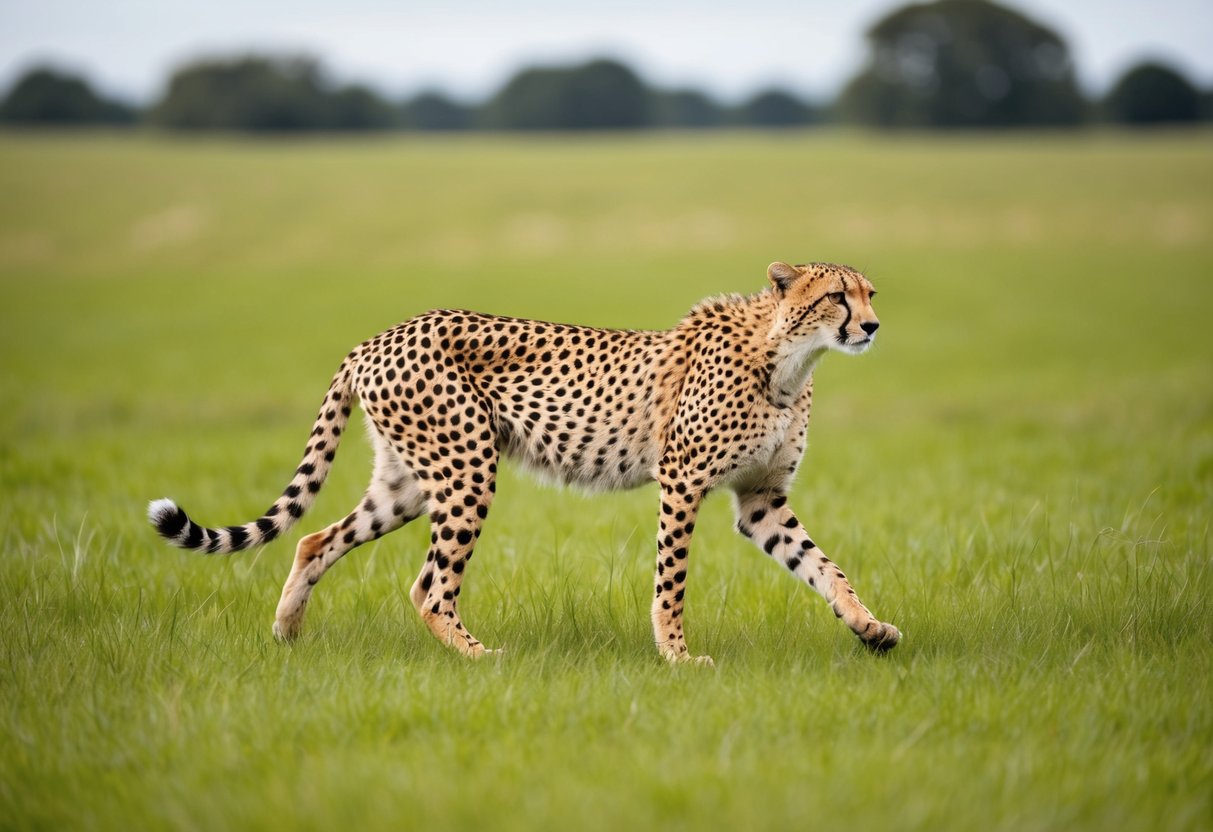
Cheetahs are not typical pets and come with plenty of responsibilities. They require specialized care, ample space, and a secure environment to thrive.
If you’re thinking about owning an exotic pet, it’s essential to understand the regulations and commitments involved. Misunderstanding the legal requirements could lead to serious consequences, including fines or confiscation of the animal.
While the idea of sharing your home with a cheetah sounds exciting, it’s crucial to weigh the facts. Consider the ethical implications, your ability to meet their needs, and the legal restrictions in place. Cheetah ownership might not be the best path for everyone, but there are plenty of fascinating aspects to learn about these remarkable animals!
Legal Aspects of Cheetah Ownership in the UK
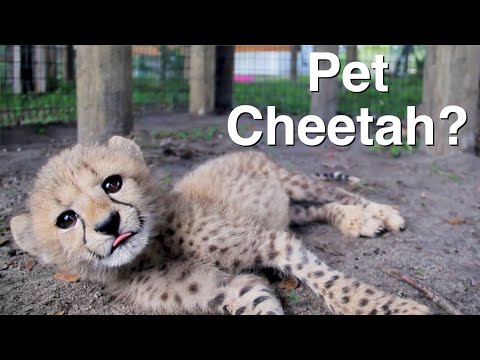
If you’re considering owning a cheetah in the UK, you should be aware of important laws. The Dangerous Wild Animals Act 1976 is the main law that affects owning exotic pets like cheetahs.
Under this act, you need a special license to keep a cheetah. This license is to ensure the safety of both you and the public. It also helps safeguard the well-being of the animal.
To obtain a license, you must meet several conditions. These include having secure housing and proper care for the animal. Local authorities will inspect your home to ensure it meets safety standards.
Owning a cheetah without a license can lead to serious consequences. You may face fines or even have the animal taken away. It’s crucial to follow all regulations to avoid legal trouble.
Moreover, cheetahs are very demanding pets. They need a lot of space, exercise, and mental stimulation. Being informed about these requirements is just as important as understanding the legal aspects of ownership.
Impact on Conservation and Wildlife
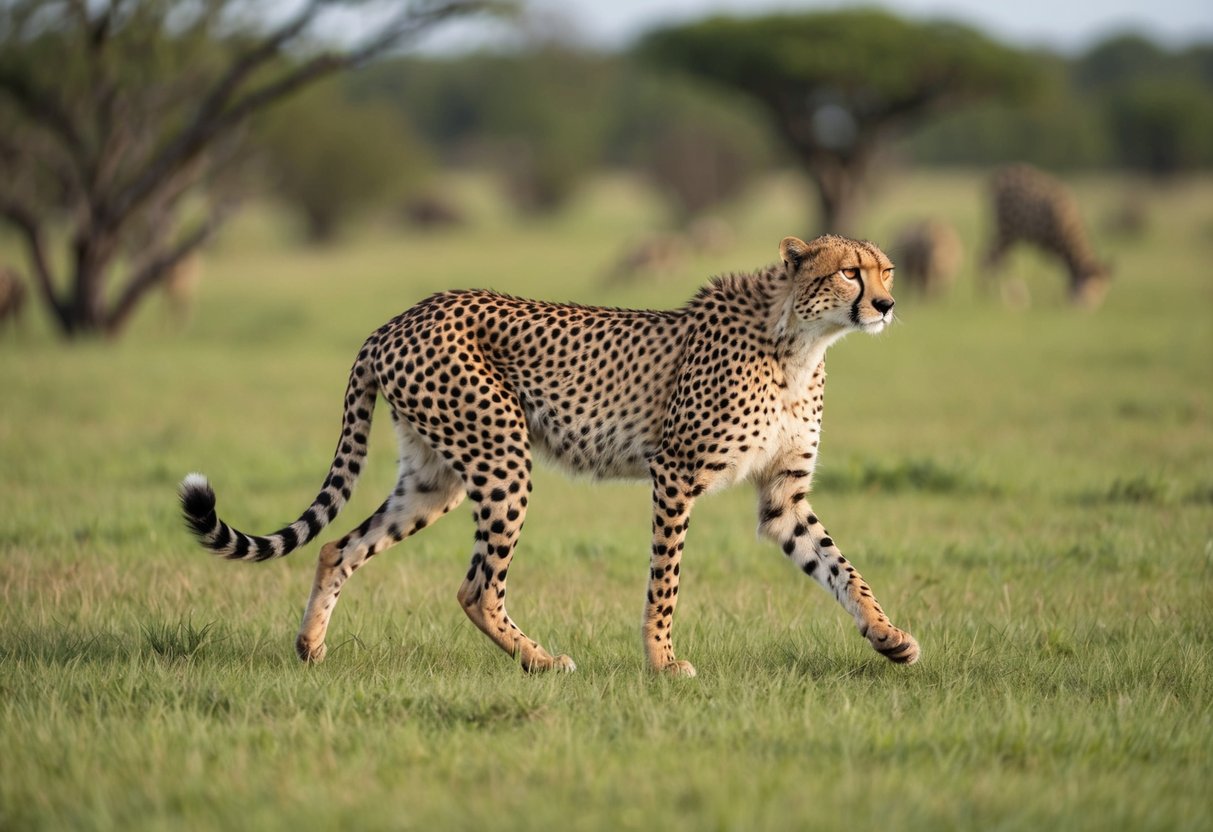
Owning a cheetah as a pet raises important questions about conservation and the survival of wild populations. Understanding the role of exotic pets, the conflict between humans and wildlife, and the illegal wildlife trade is essential for anyone considering this choice.
Role of Exotic Pets in Conservation Efforts
Some people believe that exotic pets can help with conservation. If done responsibly, they might raise awareness and funds for wildlife protection. You could support organizations that work to preserve habitats. Many zoos and wildlife parks focus on education, showing how to help endangered species, including cheetahs.
However, keeping a wild animal can divert attention from broader conservation goals. You should consider whether having a cheetah at home truly contributes to its survival in the wild.
Cheetahs in the Wild and Human-Wildlife Conflict
Cheetahs are facing severe threats in their natural habitat. Loss of land due to farming or urban development affects their survival. Additionally, these majestic cats often come into conflict with farmers. Livestock may become an easy target, leading to retaliatory killings.
As you learn more, you’ll realize that protecting cheetahs means addressing issues that affect their habitats. Conservation efforts focus on coexistence strategies. These include educating farmers on using non-lethal methods to protect livestock.
Endangered Big Cats and Illegal Wildlife Trade
Cheetahs are classified as vulnerable on the IUCN Red List. Fewer than 7,500 wild cheetahs remain. This makes them one of the most endangered big cats.
The illegal wildlife trade poses a significant threat. People often aim to capture cheetahs for the pet trade, which disrupts their populations. Creating awareness can help reduce demand for exotic pets.
Supporting conservation programs is vital. You can engage with campaigns that advocate for sustainable practices, helping to protect cheetahs and their environments.
Animal Welfare and Ethical Considerations
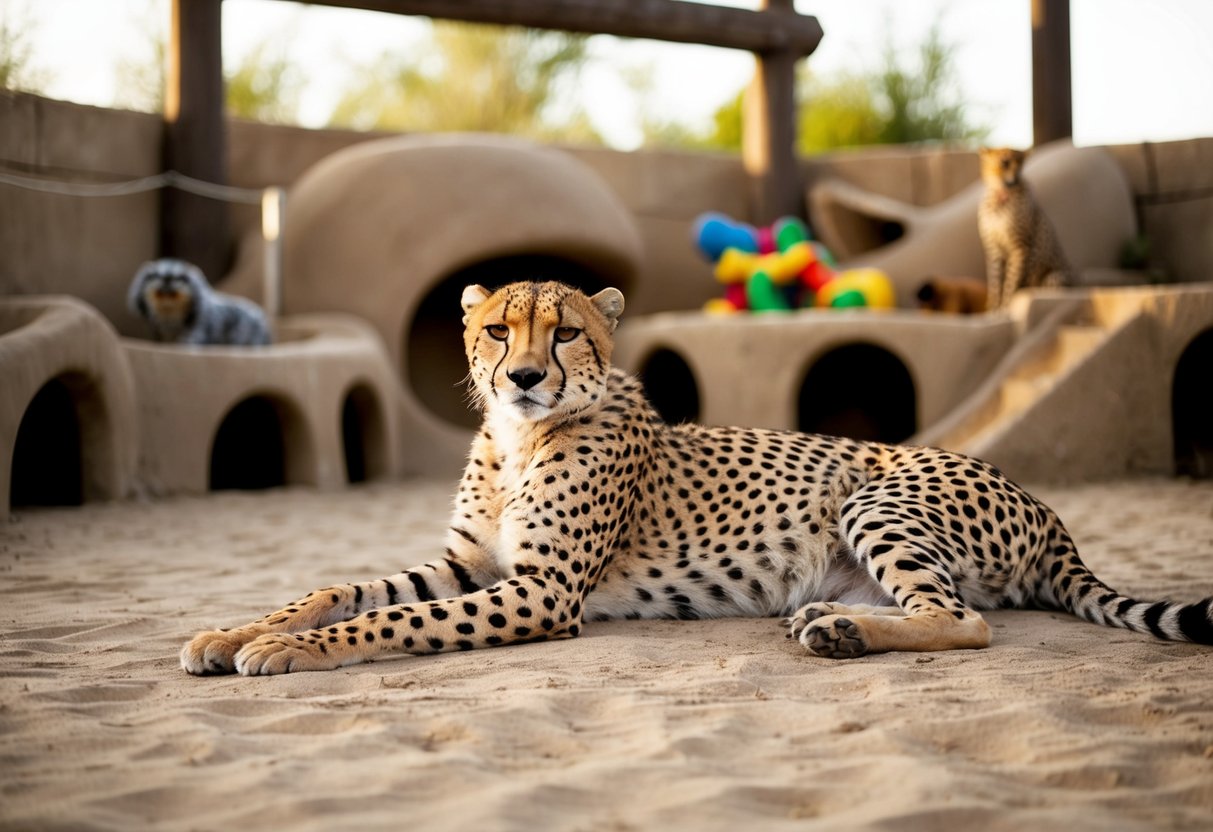
When thinking about owning a cheetah in the UK, it’s important to focus on the challenges and ethical issues involved. Keeping such a wild animal can impact not only the cheetah’s welfare but also raise questions about the appropriateness of having wild animals as pets.
Challenges of Keeping a Cheetah as a Pet
Caring for a cheetah is not like keeping a typical household pet. These animals have complex needs that require a specialized environment.
-
Space Needs: Cheetahs are used to roaming large areas in the wild. They need ample space to exercise, which can be hard to provide in a home setting.
-
Diet and Care: Their diet consists mainly of meat. You must source high-quality meat regularly, which can be costly and logistically challenging.
-
Behavioral Issues: Cheetahs can exhibit stress-related behaviors if kept in captivity. This can result in health problems and dangerous behaviors.
Each of these factors can make it difficult to ensure the well-being of a cheetah in a domestic setting.
Ethics of Wild Animals as Pets
Keeping wild animals as pets often raises significant ethical questions. A cheetah’s welfare should be a primary concern.
-
Captivity Effects: Being in captivity can affect a cheetah’s natural instincts and mental health. They are not meant to live in confined spaces.
-
Conservation Impact: The exotic pet trade can harm populations in the wild. Removing animals from their natural habitats can jeopardize species survival. Cheetahs, classified as vulnerable, need protection, not domestic ownership.
-
Safety Concerns: Cheetahs, while less dangerous than some other big cats, still carry risks. Their wild nature can lead to unpredictable behavior, posing risks to owners and the public.
These considerations highlight why it’s critical to think carefully before deciding to keep a cheetah as a pet.
Understanding Cheetahs
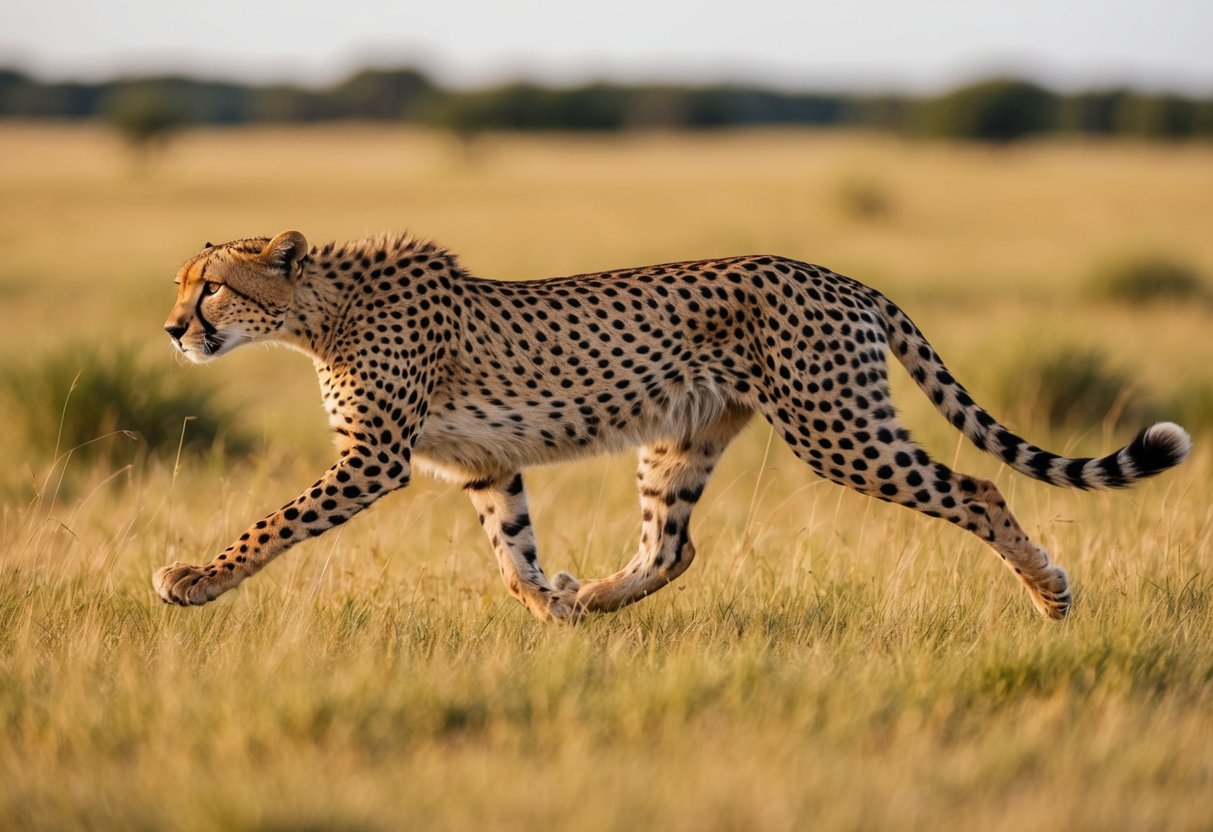
Cheetahs are fascinating creatures, known for their incredible speed and unique behaviors. They play an important role in their ecosystems and are vital to conservation efforts due to their status as an endangered big cat.
Cheetah Behavior and Ecology
Cheetahs are the fastest land animals, capable of reaching speeds up to 60 miles per hour. They are built for speed, with long legs and a lightweight frame. You will notice that they are unique compared to other big cats, as they do not roar. Instead, they make various sounds like purring and chirping to communicate.
In the wild, cheetahs primarily hunt small to medium-sized ungulates, such as gazelles. Their hunting strategy relies on stealth and quick bursts of speed to catch prey. Cheetah mothers raise their cubs alone, teaching them essential skills for survival.
These big cats prefer open grasslands and savannas, where they can watch for prey. Unfortunately, habitat loss and human activities have put pressure on their populations, making comprehensive conservation measures critical for their survival.
Scientific Research on Cheetahs
Scientific research on cheetahs focuses on understanding their genetics, behavior, and ecology.
Researchers study cheetah populations to identify the threats they face, particularly habitat loss and illegal wildlife trade. These studies are essential for conservation planning since cheetahs are one of the last remaining cheetah species.
One area of research is their social structure. Unlike lions, cheetahs are mostly solitary. Male cheetahs sometimes form small groups called coalitions, usually made up of brothers. This behavior helps them defend territories and improve hunting success.
Conservation groups work with scientists to implement breeding programs and habitat protection initiatives.
By collecting data, these efforts aim to increase awareness and ensure a future for these incredible big cats. Supporting such initiatives can be an important way for you to contribute to cheetah conservation.


