
Cheetahs, known as the fastest land animals, face threats in the wild despite their incredible speed. The hyena is one of the main animals cheetahs are afraid of, whose powerful bite can easily harm them. Other large predators also pose a danger, making it essential for cheetahs to be cautious and smart about their surroundings.

As you learn more about these fascinating creatures, you’ll discover how their natural instincts shape their behavior. Understanding what animals threaten their survival can give you a deeper appreciation for the challenges cheetahs face every day.
Exploring the dynamics between cheetahs and their predators sheds light on the wild’s complex web of life. You might find it surprising how these majestic animals, so fast and agile, still have to be wary of others in their habitat.
Recognizing Predators

Cheetahs have several natural predators that pose significant threats to their survival. Understanding these predators can help you appreciate the dynamics in the wild and the challenges that cheetahs face.
Lions and Big Cats
Lions are among the most significant threats to cheetahs. As top predators, they often compete for food and territory. Cheetahs recognize lions as a major danger and will usually flee if they encounter them.
Other big cats, like leopards, can also threaten cheetahs, especially cubs. Cheetahs tend to avoid areas where these larger competitors roam. Their smaller size makes them vulnerable when competing for the same prey, adding to their fear of these powerful hunters.
Hyenas: Cheetahs’ Nemeses
Hyenas are often fearless predators that can be particularly menacing to cheetahs. They are known to steal kills from cheetahs and even attack them. Cheetahs are especially afraid of hyenas, as these scavengers often hunt in groups.
Hyenas are territorial and will aggressively protect their pack. This makes encounters even riskier for lone cheetahs. If cheetah cubs are present, the danger increases, as they are likely to become prey themselves.
Wild Dogs and the Pack Threat
African wild dogs are another group that poses a threat to cheetahs. These social animals hunt in packs, allowing them to take down larger prey. Cheetahs typically avoid areas known for wild dog populations due to the risk of pack attacks.
The group dynamics of wild dogs make it hard for a lone cheetah to escape. Your understanding of these pack behaviors can illustrate why cheetahs often choose flight over confrontation in such circumstances.
Human Influences
Humans also pose a significant threat to cheetahs. Habitat loss due to farming and urban development limits their territory. Cheetahs often find themselves in conflict with humans when they stray into agricultural areas in search of prey.
Additionally, poaching is a severe issue for cheetah populations. Human threats create a difficult environment for cheetahs to thrive. Recognizing these influences can deepen your understanding of their struggle and the various factors affecting their survival.
Cheetahs’ Survival Strategies
Cheetahs have developed unique strategies to stay safe and thrive in their environment. They rely on their natural abilities like speed and agility, along with specific behaviors that help them avoid predators.
Speed and Agility
Cheetahs are the fastest land animals, able to reach speeds of up to 75 miles per hour in short bursts. This incredible speed allows them to escape threats quickly.
Their slender bodies and long legs are designed for acceleration and quick turns. Cheetahs typically sprint for about 20 to 30 seconds before they tire. This means they need to be keenly aware of their surroundings to spot dangers while sprinting.
Using their speed, they can outrun larger predators such as lions and hyenas when needed, making quick decisions that can be life-saving.
Avoidance and Stealth
In addition to their speed, cheetahs employ avoidance tactics to stay safe. They tend to be more active during the day when they can see potential threats more clearly.
By using stealth, they move quietly through tall grass to prevent drawing attention. This allows them to spot predators before they are noticed, giving them time to escape.
Cheetahs often hunt alone or in small groups, which helps them be less conspicuous. They prefer to avoid areas that are known to be populated by larger predators. Staying aware of their environment helps them find safe spaces to roam and hunt.
Protecting The Next Generation

Cheetah cubs face many challenges as they grow up. Understanding their vulnerability and the important role of their mothers can help highlight their fight for survival in the wild.
Cheetah Cubs Vulnerability
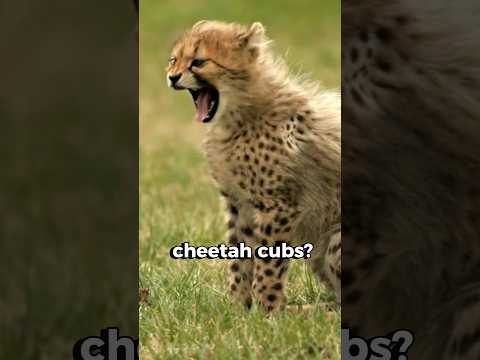
Cheetah cubs are born small and helpless. They rely on their mothers for warmth, food, and protection. During their first few weeks, they are at high risk from predators like lions and hyenas.
The survival rate of these cubs is low; only a few make it to adulthood. One reason is their need for shelter. This is why they often stay hidden in tall grass. Their spots help them blend in, reducing the chance of being seen. Still, they must always be cautious, as many threats exist in their territory.
Role of The Mother and Social Dynamics
The mother cheetah plays a crucial role in the cubs’ survival. She teaches them vital skills, like hunting and staying safe.
Mothers are very territorial. They often move their cubs to avoid dangers from other predators.
Cheetah mothers are also protective. They can fiercely defend their young against threats.
Living together, the cubs learn social behaviors that will help them as they grow. This strong bond with their mother is key to their development and future success in the wild.


