
So, you find yourself face-to-face with a swarm of furious bees. Your instincts probably scream, “Run!” And honestly, you should listen. Most healthy folks can outrun bees since these little guys usually fly at about 12 to 20 miles per hour. Humans? We can often sprint faster—at least for a short while. So yes, if you keep moving in a straight line and don’t stop, you can outrun angry bees.

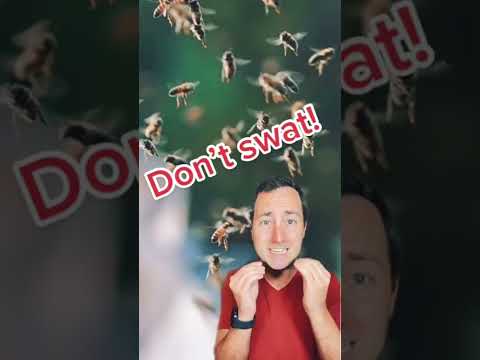
Try to stay calm. Swatting at bees just makes them even angrier.
Africanized honey bees might chase you farther, but if you keep running, you’ve got your best shot at escaping.
Knowing a few things about how fast bees fly and how they act can really help if you ever get swarmed.
When you understand their speed and reactions, you’re better prepared.
No need to freeze or panic—just trust your legs and run until you’re out of their range.
Can You Outrun Angry Bees?

When bees come after you, your speed and their behavior really matter.
It helps to know how fast they fly, how far they’ll chase, and what to do if they start coming for you.
Bee Flight Speed vs. Human Running Speed
Bees zip around at about 12 to 20 miles per hour.
Africanized honey bees, sometimes called killer bees, aren’t any faster, but they’re way more aggressive.
Most healthy people can outrun bees, especially for a short sprint.
If you can hit 15 to 20 miles per hour (even just for a bit), you’ll probably get away.
Bees don’t give up easily, though—they might chase you for a while.
Your speed is your best friend here, but staying calm and moving fast really matters.
Pursuit Distance and Swarm Behavior
Angry bees will often follow you for several hundred feet.
Africanized honey bees have chased people for over a quarter of a mile—yikes.
Once you get far enough or find shelter, they usually give up.
If you swat at them or make sudden moves, they’re more likely to keep coming.
Swarms act together, so if you bother one, the whole group might come after you.
Running straight ahead helps you keep distance from the swarm.
What To Do If Bees Start Chasing You
If bees start chasing, run fast and don’t stop.
Don’t zigzag—just wastes energy and slows you down.
A straight line puts more space between you and the bees.
Cover your face and head if you can, since stings there are extra dangerous.
Once you’re far enough away, get inside a building or car.
Don’t try to jump in water—bees can actually wait for you to come up for air by tracking your carbon dioxide.
For more tips, check out this advice on how to outrun a swarm of bees.
Essential Safety Tips and Bee Sting Risks
If you’re near angry bees, knowing how to get away and deal with stings is crucial.
You need to move quickly and carefully to avoid more stings or hurting yourself.
Effective Ways to Escape and Find Shelter
When bees go after you, run straight away from them.
Don’t swat or hit them—it just makes things worse.
Look for shelter inside a building, car, or any enclosed spot as soon as you can.
If you’re stuck outside, hide behind something big like a tree or bush.
Bees usually stop chasing after a short distance.
Cover your face and head if possible.
They tend to aim for your eyes and mouth, so protecting those spots helps a lot.
Why Water Isn’t a Safe Hiding Place
Diving into water might sound smart, but it’s not safe.
Bees will wait for you to come up for air and can sting you again and again.
If you have absolutely no choice but to get in water, try to use clothes or blankets to cover up.
Still, it’s much better to find dry shelter fast.
Staying in water too long can lead to drowning or other injuries while you’re trying to dodge bees.
Removing Bee Stingers and Treating Bee Venom
When a bee stings, it leaves the stinger in your skin and injects venom.
The longer the stinger stays, the more venom you get.
Use a flat object like a credit card to scrape out the stinger gently.
Don’t use tweezers or pinch it, since that can squeeze more venom in.
After you get the stinger out, wash the spot with soap and water.
Putting ice on it helps with pain and swelling.
If you start having trouble breathing or your face swells, get medical help right away—those can be signs of a dangerous allergic reaction.
How to Minimize the Danger of Bee Stings
Try not to wear bright colors or strong floral perfumes when you’re outside. Bees seem to love those.
Cover your food and drinks, especially if they’re sweet. Bees just can’t resist sugary smells.
Before you take a sip, check your can or cup. You really don’t want a surprise sting in your mouth.
If you notice bees nearby, stay calm. Moving slowly works better than flailing your arms or running, which honestly just makes things worse.
If you have allergies, keep an epinephrine auto-injector (EpiPen) with you. Make sure you know how to use it, because acting quickly could be a lifesaver.
You can find more tips on bee safety at bee sting risks and safety precautions.


