
If you’re thinking about just leaving a beehive alone, well, the answer’s basically no. Bees need some care and regular checks to keep their hive healthy and thriving.
If you walk away and never look back, you might run into problems like overcrowding, pests, or even the bees packing up and leaving for a better spot.
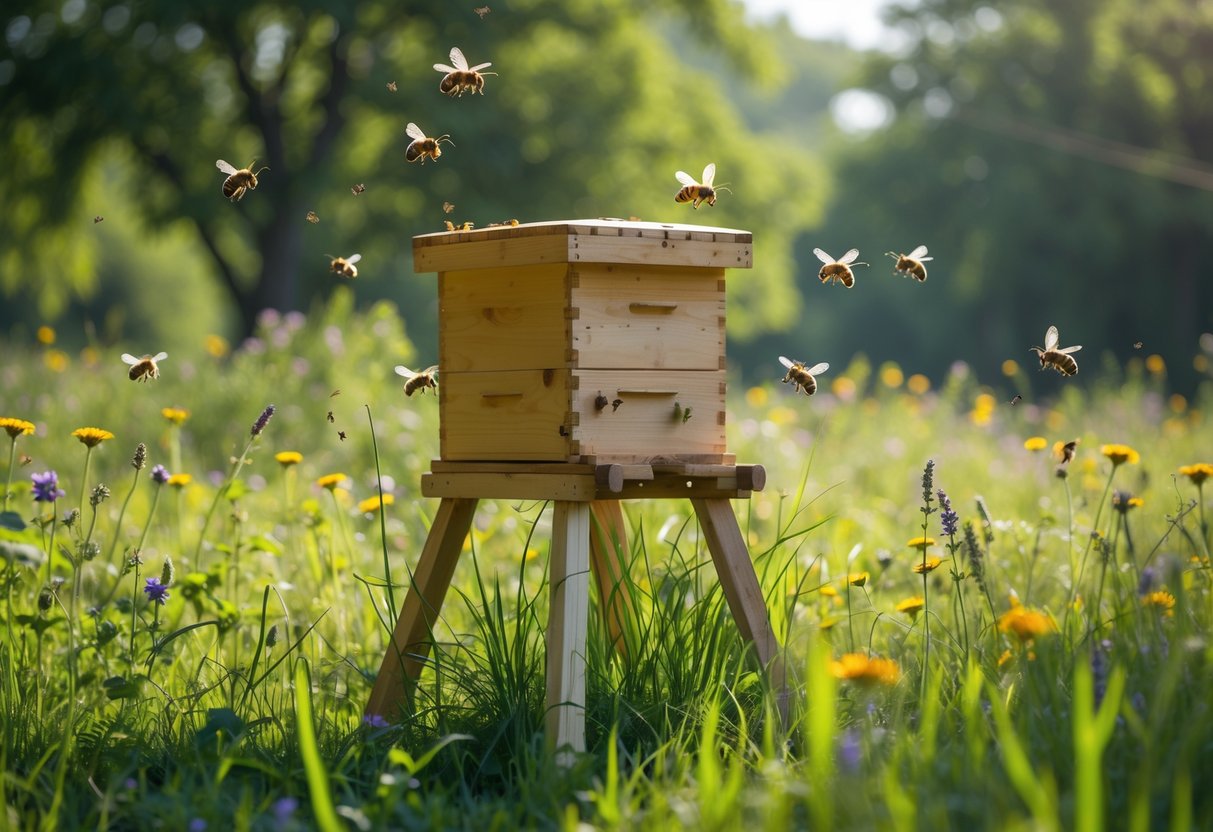
Bees do a pretty good job managing themselves, especially if the hive is set up right. You don’t need to hover over them every day.
Just stopping by every week or two to see how things look can prevent headaches and help the colony grow. It’s all about finding a balance—give them space, but don’t vanish completely.
Curious about what “minimal care” actually means? Or when you should step in? This article will break it down, step by step.
You’ll find ways to keep your bees safe without turning beekeeping into a full-time job.
Is It Safe to Just Leave a Bee Hive?
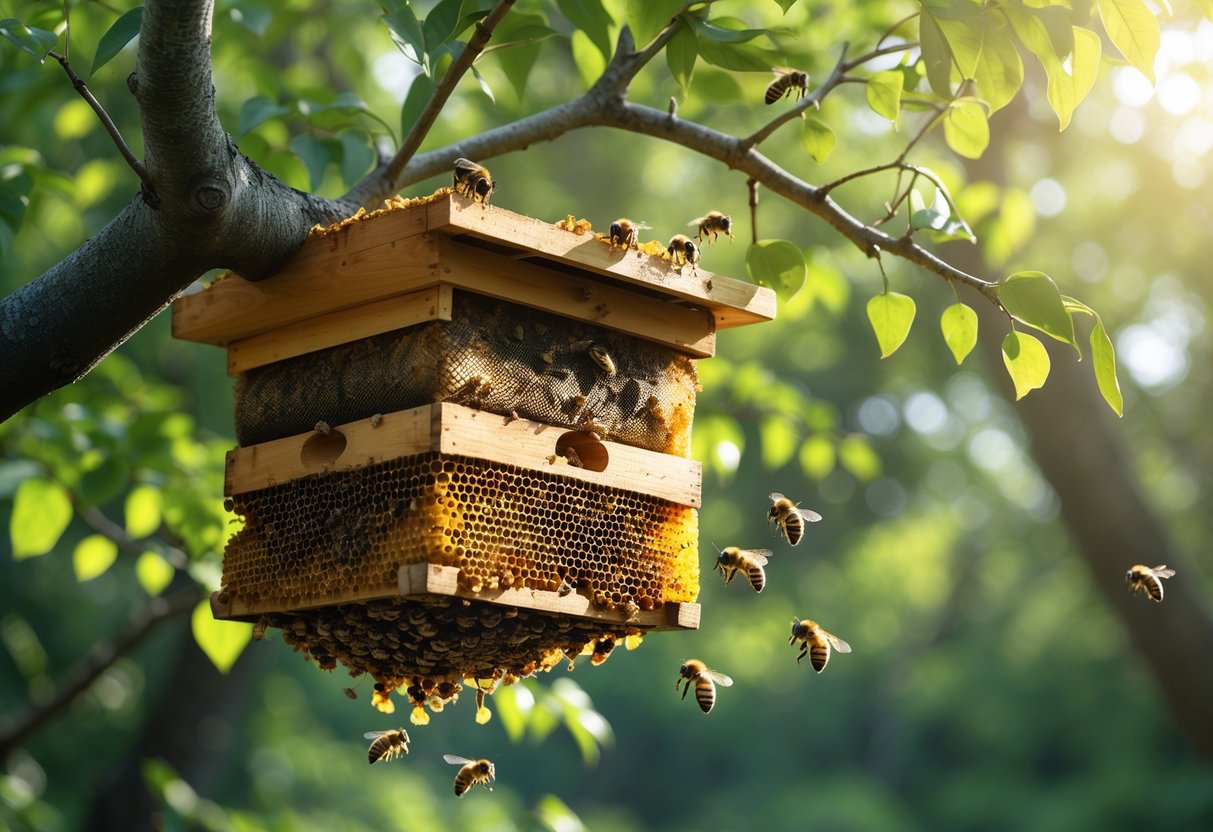
Leaving a beehive alone sounds easy, but there’s more to it than you might think. Your decision affects the bees and everything around them.
If you ignore the hive, you risk problems for the bees, your neighbors, and even the local ecosystem.
Possible Outcomes of Leaving a Hive Unattended
If you don’t care for a hive, the bees might hang in there for a while. Still, they usually need a little help to stay healthy.
Over time, the hive can weaken or even empty out if the queen dies or the bees decide to move on.
If you don’t check food supplies, honey might run low. Bees can get in trouble during tough weather or cold seasons.
When you skip maintenance, repairs and cleaning slow down. Disease might sneak in and spread.
Strong hives sometimes manage with less attention, but most beekeepers say regular checks help bees survive.
A neglected hive might only last a few years before it fails or the bees leave.
Risks to Bee Population and Hive Health
If you don’t look after your hive, you put the bees at risk. Pests like varroa mites and ants can invade and cause real damage.
These problems get worse fast if you don’t step in right away. Diseases can spread quietly, hurting your bees and others nearby.
If your bees get sick, they pollinate less and make less honey. That’s bad news for the local ecosystem.
A strong queen keeps the hive going. If she dies and you don’t catch it, the whole colony can fall apart.
By checking in, you spot these problems before they get out of hand.
Swarming and Its Effects on Neighbors
Bees swarm when a group splits off to start a new colony. If you’re not paying attention, swarming can catch you off guard.
Swarms look dramatic and may freak out your neighbors. People get nervous or even stung if they don’t know what’s happening.
Swarming is natural, but your hive loses a lot of workers and the original queen. Honey production and pollination both drop.
You can prevent swarming by managing hive space and watching for queen cells. If you ignore it, you might have swarms showing up near houses or parks, which can lead to complaints.
Pest Threats and Environmental Challenges
If you leave a hive alone, pests like wax moths, ants, and even small mammals move in. They chew up the comb, steal honey, or kill bees.
If you don’t deal with pests, your hive’s chances drop fast. Environmental factors like humidity, temperature swings, and the plants nearby matter too.
Without your help—like adjusting entrances or adding ventilation—the colony gets stressed. Pests and tough conditions chip away at the hive’s strength.
Sometimes, bees just leave to find a safer place. Regular actions from you keep risks down and the bees healthy.
For more info on what happens if you leave a hive alone, check out this guide on hive care and maintenance.
Responsible Options for Minimal-Intervention Beekeeping

You can help bees thrive by stepping in only when it’s really needed. Ignoring them completely? Not the best idea.
It’s important to strike a balance—let bees do their thing, but don’t abandon them. There are ways to support your bees without stressing them out.
Regular Monitoring Versus Complete Neglect
If you leave a hive alone, you still need to check on it now and then. Regular monitoring lets you catch pests or diseases before they get bad.
Skip those checks, and you might miss problems that can hurt the whole colony. You don’t have to pop open the hive every week.
Sometimes, just watching from a distance or using a hive scale or camera does the trick. The idea is to avoid bugging the bees but still know what’s going on.
If you completely neglect the hive, you risk losing honey or ending up with a weak colony. Minimal intervention means you watch often but touch little.
This keeps your bees healthy without you hovering over them all the time.
Supporting Bees Without Harvesting Honey
You can support your bees by planting flowers like lavender and sunflowers nearby. These give bees the nectar and pollen they need.
When you let the bees keep their honey, they have enough food for winter. Try not to take too much honey.
Leave plenty for the bees to survive. This helps the hive grow naturally and lowers the risk of stress or starvation.
Supporting your bees this way keeps your work light but still helps the colony stay strong. It also means you’re less likely to deal with pest problems from weak bees.
Raising Solitary Bees Instead of Honey Bees
Solitary bees don’t gather in huge hives or make honey, but wow—these little guys are fantastic pollinators.
You can just put up simple bee hotels for them, and they’ll move right in.
They almost never sting, and honestly, you barely need to do anything to care for them.
When you choose solitary bees, you skip all the fuss of managing hives or worrying about harvesting honey.
Your garden gets a real boost from their pollination, and you get to enjoy it without much hassle.
If you’d rather not deal with hive inspections or risk getting stung, solitary bees might be the calm, low-maintenance choice you’ve been looking for.
They still give your local ecosystem a hand, just without the stress of traditional beekeeping.
For more ideas on helping bees naturally, check out sustainable beekeeping methods.


