
Maybe you expect to spot a squirrel with a bushy tail in an Australian park. That’s not going to happen in the wild, though.
Australia doesn’t have any native squirrel species. Any squirrels that people brought in didn’t stick around, so you just won’t find wild squirrels here.
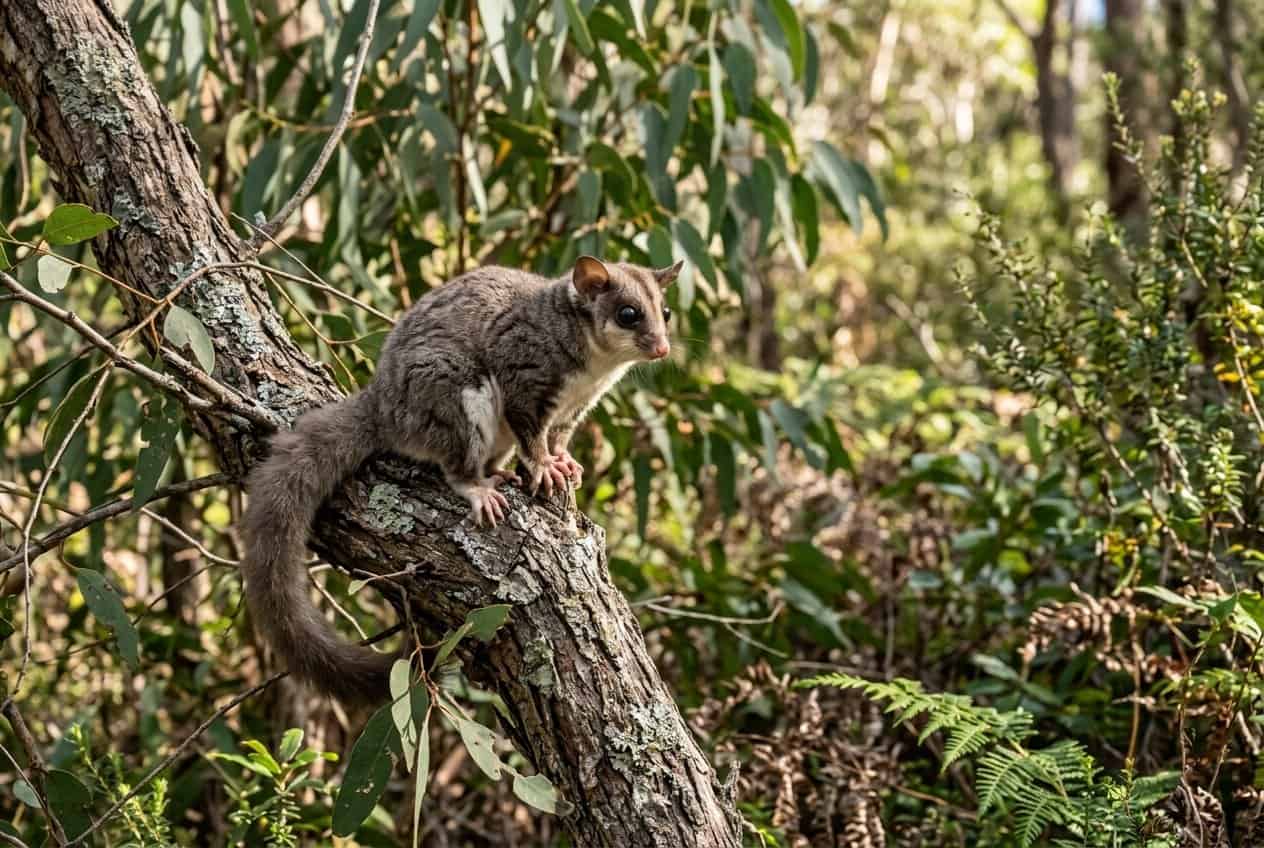
If you see small animals climbing trees in Australia, you’re probably looking at marsupials like possums or gliders. They’re not squirrels, even if they sometimes look the part.
Curious about where non-native squirrels popped up, why they didn’t last, and which Aussie animals act a bit like them? Let’s get into it.
Are There Squirrels in Australia?
Australia just doesn’t have native squirrels. A few non-native species showed up a long time ago, but people mostly removed them.
You might want to know where these squirrels appeared, where folks still talk about them, and why they never caught on.
History of Introduced Squirrels in Australia
Back in the late 1800s and early 1900s, people brought in two main squirrel types: the American grey squirrel and the northern palm (or Indian palm) squirrel. These animals escaped from zoos or private collections in cities like Melbourne, Adelaide, and Perth.
Plantings of Northern Hemisphere trees in some suburbs gave them a bit of food and shelter. But it didn’t last.
Authorities and naturalists noticed damage to gardens and saw that squirrels competed with native wildlife. People hunted them and set up control programs, which wiped out most populations.
Grey squirrels used to live around Melbourne and Adelaide, but by the 1920s, people had already gotten rid of them in most places. If you want to dig deeper, there are historical accounts of these introduced populations in Australia.
Current Locations and Sightings
You won’t spot wild squirrels in Australia these days. Most official records show that people eradicated the introduced populations in places like Adelaide and Victoria.
A few small, isolated groups popped up near Perth and Melbourne during the 20th century, but they never really spread. The continent just didn’t suit them.
If you’re in Western Australia, you might still hear stories about palm squirrel sightings near Perth. These usually come from zoo escapes or someone releasing pets.
Biosecurity programs track those reports, but they’re rare and pretty local. For recent info, you can check out reports about squirrels in Western Australia.
Why Squirrels Are Not Native to Australia
Australia’s been cut off from the rest of the world for tens of millions of years. That isolation kept out tree squirrels from places like Eurasia and North America.
Instead, marsupials like sugar gliders, squirrel gliders, and possums moved into those tree-dwelling roles. They evolved their own set of tricks, even if they sometimes act a bit like squirrels.
Squirrels also need certain climates and forests packed with nuts and seeds. Most of Australia just doesn’t have those habitats.
When people released squirrels here, the animals had trouble adapting. They also ran into active removal programs because they threatened farms, native wildlife, and even city trees.
Native Australian Wildlife Filling Similar Roles
Australia’s forests and woodlands are full of small climbers. You’ll see animals eating seeds, fruits, insects, and nesting in tree hollows.
Some of them move a lot like squirrels. They use tree cavities and go after similar foods, but they’re usually marsupials or native rodents with their own quirks.
Squirrel Glider and Other Gliding Marsupials
The squirrel glider is a small animal, about 12–20 cm long, with a stretchy membrane that lets it glide up to 50 metres between trees. You might spot them at dusk in eucalyptus forests or suburban gum trees.
They eat sap, nectar, gum, insects, and fruit. So, their diet overlaps with squirrels, but they’re nocturnal and do their thing at night.
You’ll notice their long tail, which helps them steer as they glide. Big eyes help them see in the dark.
Squirrel gliders live in family groups and nest in tree hollows. They’re most at risk from losing hollow trees and habitat fragmentation, but they take well to nest boxes and wildlife corridors.
Other gliding marsupials, like sugar gliders, have similar habits. They glide, forage at night, and go for sap and insects.
If you’re searching for squirrel-like behaviour in Australia, gliders are probably your best bet.
Ringtail Possum and Common Brushtail Possum
Ringtail possums are about the size of a small cat. You can find them in city gardens and along forest edges.
They’re mostly nocturnal and eat leaves, flowers, fruit, and sometimes insects. They build woven leaf nests called dreys or use tree hollows, so they hang out in the same canopy spaces squirrels would fill elsewhere.
The common brushtail possum is bigger and adapts easily. It eats leaves, fruits, and sometimes raids your compost or grabs human food scraps.
You’ll often see brushtails denning in roofs or tree hollows. Both possum species use dense foliage and hollows for shelter, raising their young in those safe spots.
If you want to watch tree-dwelling mammals that help spread seeds and use urban areas like squirrels do, these possums are the standouts in Australia.
Brush-tailed Phascogale and Native Rodents
Brush-tailed phascogales are these small, carnivorous marsupials, usually around 15–25 cm long. You’ll spot them in patches of remnant woodland, sneaking around at night as they hunt insects and small vertebrates.
They breed in tree hollows and rely on their prehensile tails for balance while moving along branches. Honestly, their squirrel-like agility is pretty impressive, even if their diets are totally different.
Native Australian rodents—think bush rats or those little tree-dwelling mice—tend to be smaller than squirrels. They’ll usually forage for seeds, fruits, or insects.
Some of them climb through vegetation and nest in hollows or thick grass. These rodents help out with seed dispersal and even stir up the soil a bit.
Phascogales and native rodents both play important roles, sort of like squirrels do elsewhere. They control invertebrate numbers, scatter seeds, and use both the canopy and understory.
You might catch a glimpse of them in bushland near towns, especially if there are still some old hollow trees around.


