
You can keep a seahorse in an aquarium, but only if you’re ready to commit to the right tank, good water quality, and a steady feeding routine.
Seahorses need gentle water flow, stable saltwater conditions, and frequent small meals. They really do best with careful setup and daily care.

If you want these slow, curious animals in your home, stick around. This article will walk you through what to buy, how to set up the tank, and how to feed and monitor them so they actually thrive.
Expect some practical tips on tank size, hiding places, compatible tank mates, and the routine checks that keep seahorses healthy.
Fundamentals of Keeping Seahorses in Aquariums

Seahorses need stable water, gentle flow, and regular feeding. Pick species that fit your tank size and skill level.
It’s best to go with captive-bred animals if you can.
Why Seahorses Need Saltwater Aquariums
Seahorses belong to the genus Hippocampus and need saltwater with a specific gravity around 1.020–1.025. If you put them in freshwater, they die quickly because their bodies just can’t handle it.
You should keep temperature steady—most species do well between 72°F and 78°F. H. reidi and H. kuda sometimes tolerate slightly warmer water.
Set up a mature marine tank with stable pH (about 7.8–8.4), zero ammonia, and nitrite. Keep nitrate low, under 20 ppm if possible.
Use a sponge filter or low-flow filtration so strong currents don’t push your seahorses around. They like to hitch onto décor and can’t fight heavy flow.
Add vertical structures like gorgonians, seagrass, or artificial hitching posts so your seahorses can rest upright.
Choosing the Right Seahorse Species
Match the species to your tank size and experience level. Dwarf seahorses (Hippocampus zosterae) are tiny and need frequent small feedings.
They work best in smaller, species-only tanks with lots of copepods. Lined seahorses (Hippocampus erectus) get bigger and need taller tanks—at least 24 inches high—and more space if you keep pairs.
H. comes and H. kuda can handle a bit more variety but still want steady water and gentle tankmates.
Think about what they eat: larger species usually take mysis shrimp more easily, while dwarfs often need live copepods.
Some species like H. reidi and H. kuda are more active and colorful, but they may reach 6–8 inches. Choose a species that matches how much time you can spend feeding and keeping water clean.
Captive-Bred vs Wild-Caught Seahorses
Always buy captive-bred seahorses if you can. Captive-bred ones adapt to prepared or frozen diets faster, eat more reliably, and usually have less stress and disease.
Many breeders offer H. comes, H. reidi, and H. erectus that settle into aquarium life pretty well.
Wild-caught seahorses often carry parasites and might refuse frozen food. They need longer quarantine and sometimes just won’t eat, which is risky.
Wild collection also puts pressure on local populations. If you have to buy wild-caught, ask about quarantine history, feeding routines, and how they were collected.
Look for active animals with clear eyes, no lesions, and a strong feeding response.
Seahorse Aquarium Setup and Care Requirements
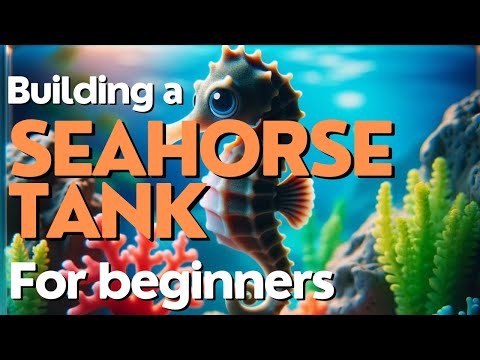
You’ll need a tall, stable tank with gentle flow, steady water chemistry, and lots of hitching posts.
Make sure you have reliable food they actually eat, and check on them every day for behavior and water quality.
Focus on the right tank size, water parameters, sturdy hitching spots, and a feeding plan that covers live or enriched frozen mysis.
Essential Tank Size and Water Parameters
Get a tank that’s at least 30 gallons for a pair—taller is better since seahorses use vertical space.
Aim for a minimum height of 20–24 inches so they can swim and hitch without bumping into each other.
Bigger tanks keep water chemistry more stable.
Keep temperature between 72–78°F (22–26°C) for most temperate species. Hold salinity at 1.020–1.025 specific gravity.
Keep pH between 7.8–8.4, ammonia at zero, nitrite at zero, and nitrate under 20 ppm. Use a reliable heater and a calibrated refractometer.
Test water weekly. Plan on 10–20% weekly water changes and avoid sudden temperature swings.
Stable numbers matter more than chasing perfection.
Habitat Design and Hitching Posts
Give them plenty of hitching posts for their prehensile tails. Use live or fake seagrass, Gracilaria, soft macroalgae, and vertical décor like gorgonians (just make sure they’re aquarium-safe).
Put posts at different heights so each seahorse can pick a favorite spot and hide if it wants.
Use sand or a fine substrate to protect their skin. Stay away from sharp rocks or coarse coral that could hurt them.
Add live rock for biological filtration and hiding spots, but set it up so the flow stays gentle. If plants don’t root, try PVC or silicone “bushes.”
Keep the current low—gentle circulation is key. Use a sponge filter or a baffled powerhead to cut down suction and avoid pushing seahorses around.
Feeding: Live, Frozen, and Enriched Foods
Feed mostly mysis shrimp (frozen) and live brine shrimp for the little ones. Mysis shrimp give them the protein and fat they need.
Pick good-quality frozen mysis meant for marine carnivores. Enrich frozen foods with marine vitamins and fatty-acid supplements before feeding to help with nutrition and color.
Give adults 2–3 small meals per day. Babies need 4–6.
Target-feed so faster fish don’t steal everything. Use a feeding station or put food close to hitching posts.
Mix up food types (mysis, copepods, enriched frozen blends) to avoid deficiencies. Skip dry flakes and pellets as the main diet—seahorses usually won’t touch them.
Take out uneaten food after 15–30 minutes to keep the water clean.
Compatibility and Tank Mates
Pick calm, slow tank mates that won’t outcompete seahorses for food. Small gobies, peaceful cardinalfish, and small cleaner shrimp usually work well.
Avoid aggressive, fast swimmers like wrasses, big angelfish, or anything that nips fins.
Don’t keep seahorses with animals that damage soft tissues, like some urchins or rough-feeding invertebrates.
Sea cucumbers are usually harmless, but always check species compatibility.
Quarantine new tank mates and watch how they feed for at least a week. Keep the tank lightly stocked—seahorses need space and a predictable shot at their food.
Daily Maintenance and Monitoring Health
Every day, take a quick look at the water temperature and make sure the heater’s working. Watch how your animal moves—are they hitching normally, standing upright, breathing steadily?
Check for clear eyes and see if they respond to food like usual. If you notice weird color changes, lesions, or they refuse to eat for a while, jot it down.
Keep a simple log with notes on temperature, salinity, and when you feed them. Scoop out uneaten food and spot-clean any mess you see.
Test the water once a week and do your planned water change. If you spot white stringy feces, a sudden loss of appetite, or a quick color shift, go ahead and isolate the animal. Maybe reach out to a vet or someone experienced—sometimes it’s just better to act fast before things get worse.


