
Ever find yourself watching squirrels and wondering if they can catch COVID-19? In short: squirrels aren’t considered a common source of SARS‑CoV‑2 for people, and wild squirrel cases are rare. Here’s what scientists know, what’s still fuzzy, and a few steps you can take when you run into wild critters.

You’ll see how humans sometimes pass the virus to animals, which species are more at risk, and why wildlife studies actually matter for public health. Let’s dig into the facts about squirrels, how infections are tracked, and why keeping an eye on wildlife helps us avoid nasty surprises down the road.
Can Squirrels Get Covid-19?

Let’s talk about whether squirrels can catch the virus behind COVID-19. How likely are they to spread it to people? What should you look for, and how do squirrels stack up against other mammals that get the virus?
Evidence of SARS-CoV-2 Infection in Squirrels
Researchers have found SARS-CoV-2 or its antibodies in a handful of wild and captive small mammals. Some studies include eastern gray squirrels among the animals they’ve tested.
Lab experiments with rodents show mixed results, but scientists haven’t found strong, repeated evidence that wild squirrels commonly carry the virus.
Most field detections happen through targeted testing—usually near sick humans or as part of wildlife health studies. Just because someone finds the virus once doesn’t mean it’s spreading among squirrels.
Health agencies see squirrels as low-risk, especially compared to animals like mink or hamsters, where infection and spread are much more obvious. For a bigger picture, you can check the Wikipedia list of animals found infected.
Risks of Transmission Between Squirrels and Humans
Right now, the chance of catching COVID-19 from a squirrel is extremely low. Most animal-to-human cases happened with sick captive animals or in crowded farm settings, like mink farms.
You can lower any remote risk by not feeding or handling wild squirrels and by washing your hands after being outside. The CDC suggests steps to limit SARS-CoV-2 spread between people and wildlife—these are especially important if you work with animals.
If you’re immunocompromised or handle wildlife for a living, use PPE and follow your agency’s rules to stay safe. Here’s the CDC’s guidance on wildlife and COVID-19 if you want to dig deeper.
Signs of Illness in Squirrels
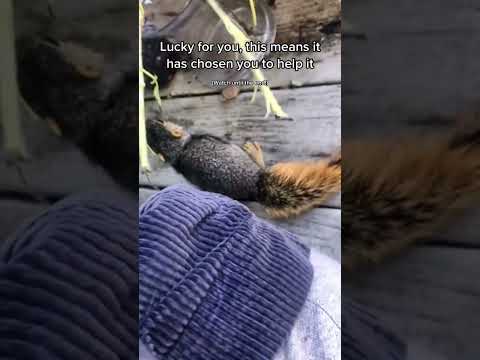
If a squirrel gets a respiratory infection, it might look tired, eat less, have trouble breathing, or act strangely—think disoriented or moving oddly.
But those signs could mean anything: parasites, bacteria, even an injury. They don’t prove it’s COVID-19.
If you spot a sick squirrel, don’t pick it up. Call your local wildlife rehabber or animal control instead.
If someone who handles animals gets sick after close contact with a squirrel, they should follow public health advice for testing and isolation.
Comparing Squirrels with Other Infected Animals
Some animals, like hamsters and ferrets, catch and even spread SARS-CoV-2 fairly easily. Hamsters in labs and as pets have picked up and passed on the virus, and ferrets can infect each other in experiments.
But squirrels? There’s a lot less evidence. No one’s found ongoing transmission or spread back to people.
Mink farms, on the other hand, saw big outbreaks and mink-to-human spread. If you handle animals, be extra careful with ferrets and hamsters, since they’re higher risk than wild squirrels.
For more examples, check out this Scientific American overview of infected species.
Understanding Wildlife and COVID-19: Wider Implications
Infections in wild and farmed animals can affect human health, animal welfare, and conservation. What you do around wildlife, pets, or farms can actually help protect both people and animals.
Transmission in Wildlife Populations
People can give the virus to animals, and sometimes infected pets spread it to wild animals nearby. Close contact, dirty waste, and shared food or water bowls are all ways it can move around.
If you feed wildlife or leave pet food outside, you might attract animals and bump up the risk.
How animals live matters, too. Species that hang out in groups or share food spots can keep a virus moving through their population.
Don’t handle wild mammals if you can avoid it, and if you work with them, follow local rules to help keep everyone safe. It’s all part of the One Health idea—people, animals, and the environment are connected.
Surveillance is important. Agencies test animals near outbreaks or where people and wildlife mix a lot.
If you see sick wildlife or lots of animals dying off, report it to your local wildlife or public health folks so they can check it out.
Lessons from Mink Farms and White-Tailed Deer
Mink farms taught us that cramming animals together can let the virus spread and even change. Big outbreaks led to mass culls and tighter rules.
If you work on a farm, wear PPE, limit visitors, and keep sick people away from animals.
White-tailed deer in the U.S. have tested positive in lots of places. Deer travel far and can mix with other wildlife or contaminated environments.
Don’t get close to deer or feed them. Hunters should use gloves when handling carcasses and follow safety tips for testing and meat handling.
Both mink and deer cases show how what people do affects animals and vice versa. When vets, wildlife experts, and health officials work together, they can track the virus and set up practical steps for everyone to follow.
Squirrel Infestations and Prevention Tips
Squirrels hanging around buildings can cause a lot of unexpected run-ins with people. If you’re dealing with a squirrel problem, it’s honestly better to call licensed wildlife removal pros instead of trying to wrangle the animals yourself.
These experts use humane exclusion methods. They’ll seal up entry points and safely remove the squirrels, which really cuts down on disease risk.
Want to avoid squirrel invasions in the first place? Seal up any holes bigger than an inch. Trim tree branches so they don’t touch your roof.
Don’t leave food out. Bring pet food inside, and keep birdseed in sealed containers. Take care of unsecured trash and bird feeders, too.
All these steps make it way less likely that squirrels will move in or bring pathogens into your home.
Spot a sick or injured squirrel? Don’t touch it. Reach out to your local wildlife rescue or animal control.
They’ll check on the animal and let you know what to do about testing or rehab, while keeping everyone safe.


