
You may wonder, can rats have grapes without risking your pet’s health?
You should treat grapes as a risky choice and avoid making them a regular part of your rat’s diet. Can rats eat grapes is a question with an unsettled answer, so caution matters more than convenience.
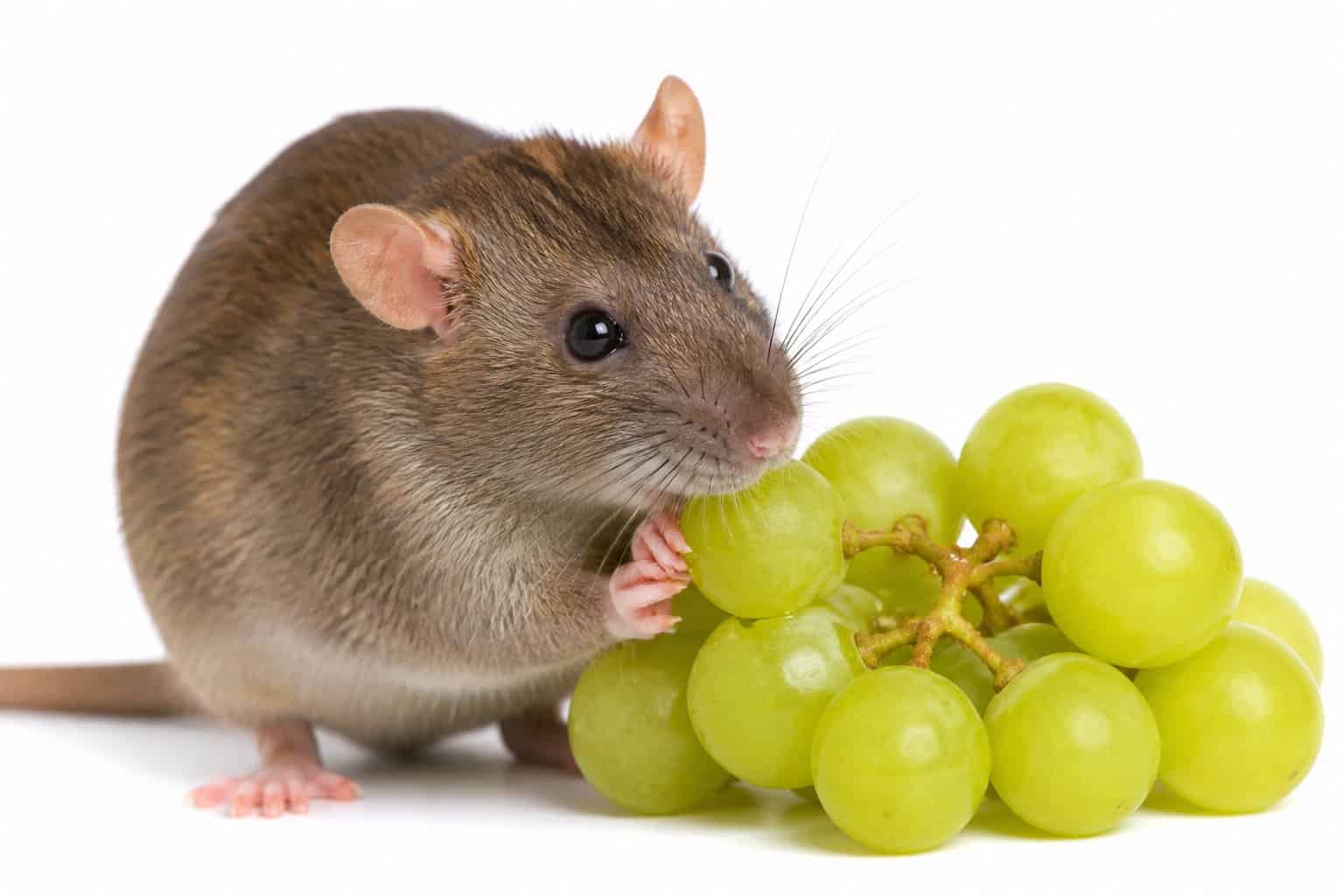
Grapes do not sit neatly in the usual list of safe foods for rats. Some owners offer tiny amounts, while other guidance recommends skipping them altogether because the evidence is mixed and the potential downsides are avoidable.
When you want to protect your pet, it helps to keep treats simple and well studied.
The Short Answer On Grape Safety
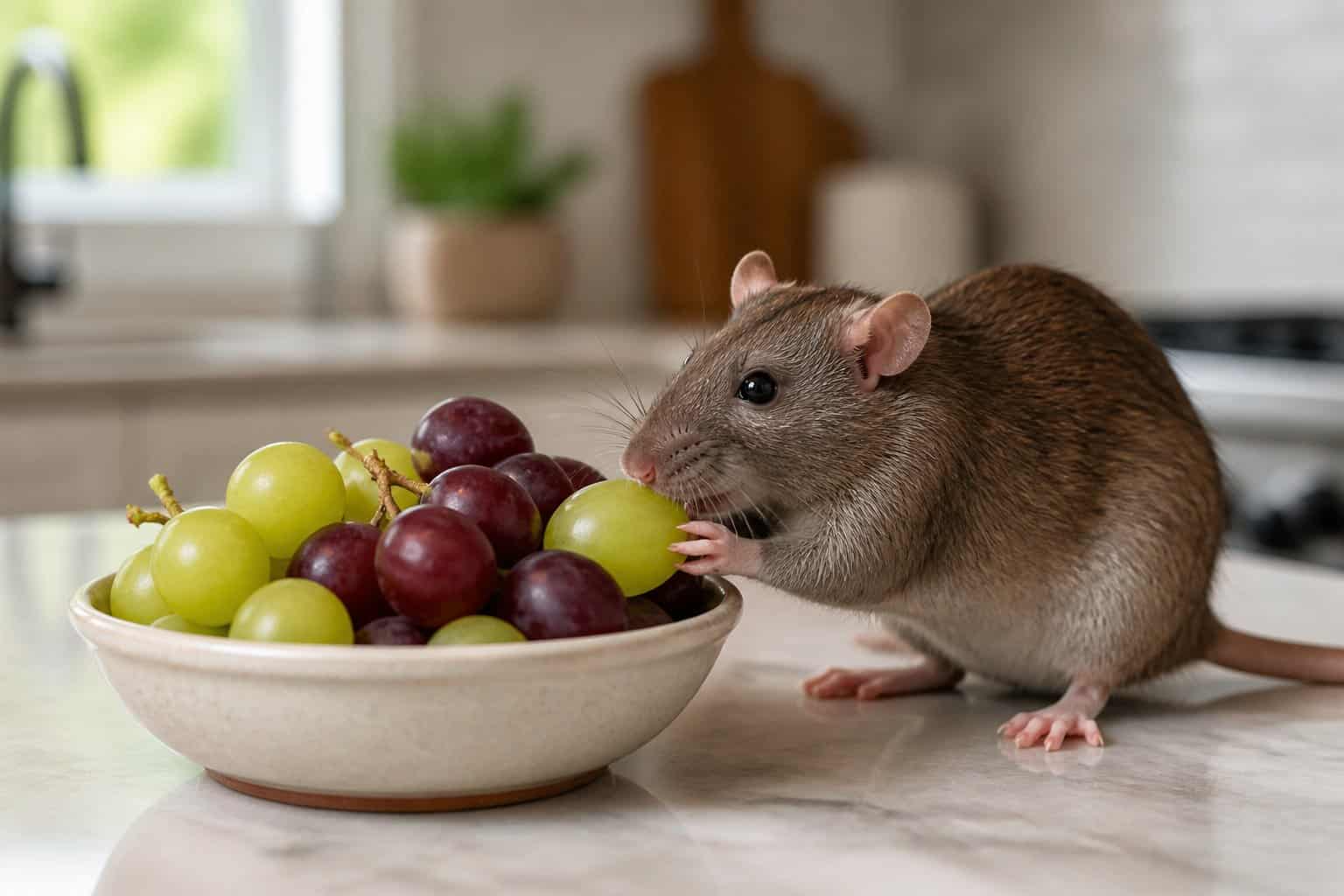
You should skip grapes or keep them out of rotation when feeding your rat. A balanced rat diet relies on a quality staple food, with treats chosen carefully and given sparingly.
Why Advice Online Is Mixed
You will find conflicting opinions because experts have not pinned down grapes with the same clear-cut guidance as many other fruits. Some people point to lab findings or anecdotal experience, while others lean toward caution because the evidence does not clearly show that grapes are a dependable safe food for pet rats.
Why Caution Is The Best Approach
Your rat may happily eat grapes, but enjoyment does not equal safety. Since grapes are not essential and the possible risks outweigh the benefits, choosing easier, better-studied treats is the more practical move.
Main Risks To Consider
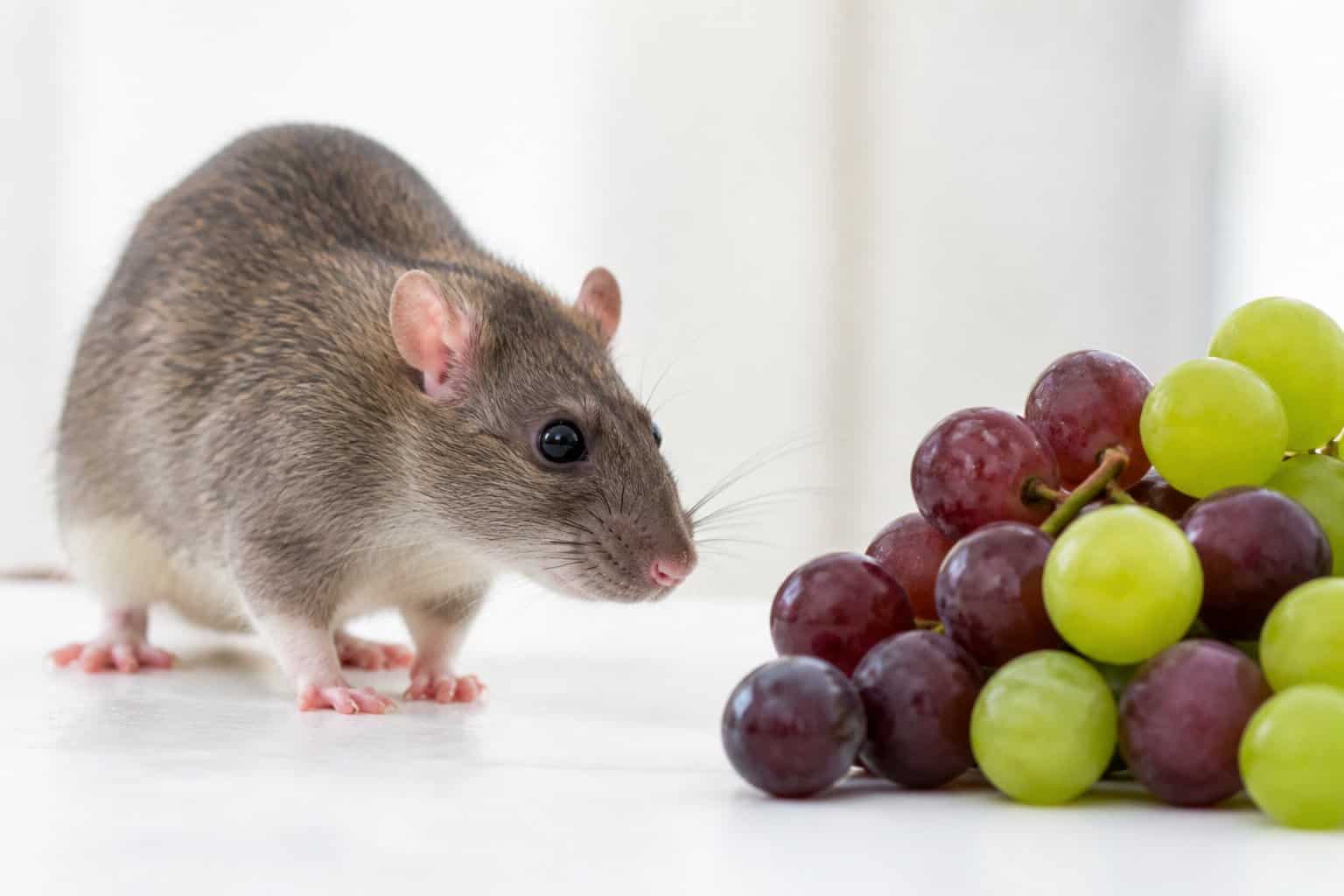
Grapes do not pose one dramatic danger, but small problems can add up. Sugar load, stomach upset, texture concerns, and spoilage all matter, especially when you compare grapes with other treats.
Sugar, Weight Gain, And Digestive Upset
Grapes bring natural sugar, which can contribute to excess calories if you feed them often. Too much fruit can also trigger loose stools or digestive discomfort, especially in a small animal that does best with a controlled menu.
Seeds, Spoilage, And Processed Grape Products
Fresh grapes can spoil quickly and you should never offer them once soft, moldy, or fermented. Processed grape products are a worse fit, since juices, jams, and dried snacks often concentrate sugar and offer less to your pet.
Why Raisins Are A Bigger Concern
If you are asking can rats eat raisins, you should lean even more toward no. Raisins are dried grapes, so they pack far more sugar into a smaller bite and can make overfeeding easier.
How To Handle Occasional Fruit Treats
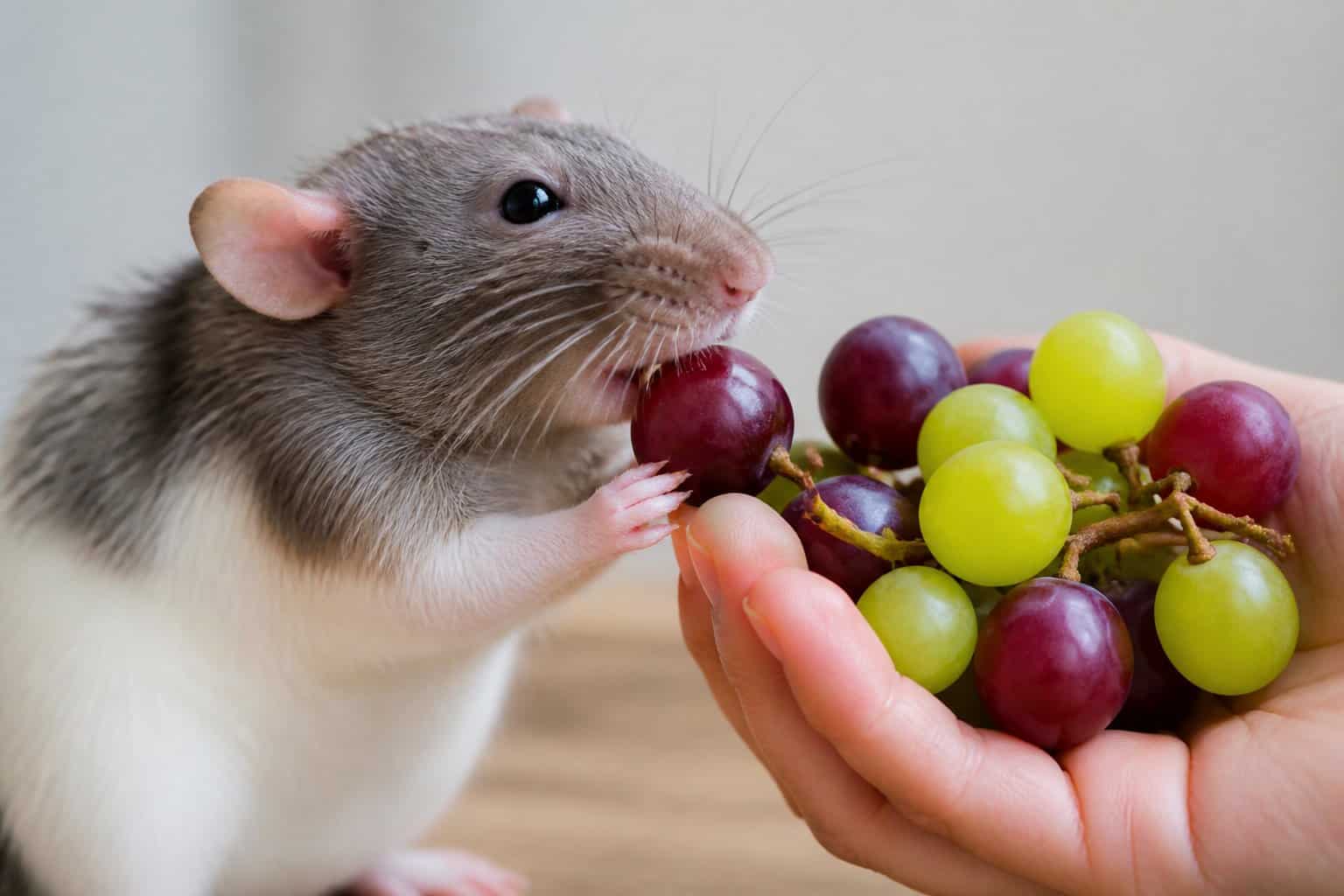
Fruit can fit into a rat’s life as an occasional treat, as long as you keep portions small and the choices sensible. The best safe foods for rats support variety without loading on sugar.
How Grapes Compare With Apples And Bananas
If you are choosing between can rats eat apples and can rats eat bananas, both are more common treat options than grapes when served properly. Apples should be seed-free, and bananas should stay in the occasional category because they are soft and sugary.
Portion Size And First-Time Feeding Tips
If you try any new fruit, start with a tiny piece and watch how your rat handles it over the next day. One small bite is enough for a first taste, and fruit should stay well under a routine part of the menu.
When To Skip Fruit And Call A Vet
Avoid giving fruit if your rat has diarrhea, is overweight, or has a sensitive stomach.
Contact your veterinarian if your pet seems unusually lethargic, stops eating, or develops digestive trouble after a treat.


