
Training a dog can feel like a big task, especially if you have a two-year-old. You might wonder if your furry friend can still learn new tricks or correct some bad habits. The good news is that you can absolutely train your 2-year-old dog, and it can be a rewarding experience for both of you.

Dogs at this age are still quite young and eager to learn, even if they’ve picked up some habits along the way. Using positive reinforcement techniques can help your dog grasp new commands like “Sit,” “Stay,” and “Come.” This training not only strengthens the bond between you and your pet but also makes your life together more enjoyable.
You may face some challenges, but with patience and consistency, you can transform your two-year-old dog into a well-behaved companion. Remember, it’s never too late to start training and enrich your dog’s life!
Understanding the Trainability of a 2-Year-Old Dog
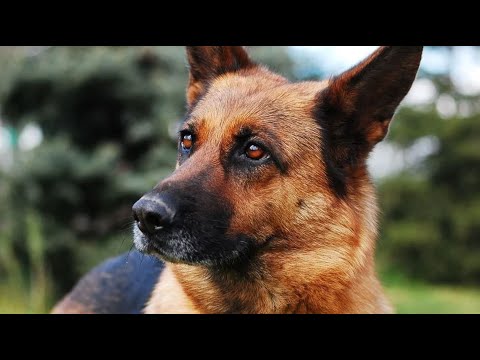
Training a 2-year-old dog is definitely possible, and with the right approach, you can tackle both challenges and rewards. Understanding how dogs learn at this age can improve your training experience.
Canine Learning Phases
At two years old, your dog is still in a phase of learning and developing. Many breeds don’t reach full mental maturity until they are 2 to 3 years old. This means they have the ability to learn new commands and behaviors, but may still show some puppy-like traits.
Your dog may have picked up some habits, both good and bad. Consistent training helps replace behavioral issues with positive actions. Using techniques like reinforcement can be effective.
In this phase, your dog is past the extreme curiosity of a puppy but may still require patience. With time and regular practice, you can teach your dog important commands and manners.
Challenges and Rewards of Training an Older Dog
Training a 2-year-old dog can come with challenges. If your dog has developed bad habits, correcting them may take time. Behavioral issues like jumping or barking excessively can be frustrating.
However, the rewards of training an older dog are significant. Your dog can learn quickly when motivated. Their attention spans are often longer than a puppy’s, making it easier to focus on tasks.
Establishing a routine for training sessions is helpful. Use treats, praise, or toys as incentives. The bond you create through training strengthens your relationship and can lead to a well-behaved companion.
Essential Training Techniques and Methods

Training your 2-year-old dog can be successful with the right techniques. Focusing on positive reinforcement and structured methods will help you and your dog build a strong bond. Here are some crucial techniques to consider.
Positive Reinforcement Basics
Positive reinforcement is one of the most effective training methods for dogs. This approach rewards your dog for desired behaviors, which encourages them to repeat those behaviors.
You can use treats, praise, or toys as rewards. For example, when your dog sits on command, say “good dog” and offer a treat. This creates a positive association with the action.
Be consistent with the rewards. If you give treats sometimes but not others, your dog may become confused. Aim to reward your dog immediately after they perform the desired behavior. Keep training fun and upbeat to keep your dog engaged!
The Role of Clicker Training
Clicker training is a popular method that pairs a distinct sound with positive reinforcement. A clicker is a small device that makes a quick sound when pressed.
To start, click each time your dog does something you want to encourage. For example, if your dog lies down, click and then offer a treat. Over time, your dog learns to associate the click sound with a reward.
Using a clicker can help with precision. It tells your dog exactly what action earned them a reward. This technique works well with different commands or tricks, making it easier to shape your dog’s behavior.
Frequency and Duration of Training Sessions
When training your 2-year-old dog, frequency and duration matter. Regular training sessions help reinforce learning. Aim for short training sessions lasting about 5 to 10 minutes.
Short sessions keep your dog focused and engaged. If your sessions are too long, your dog may lose interest or become fatigued.
Try to have multiple sessions throughout the day. Consistent practice, even in short bursts, is key to success. You can also integrate training into daily activities, like practicing commands during walks or playtime to make learning enjoyable.
Developing a Training Routine for Your Dog

Establishing a training routine is essential for your dog’s learning. A consistent schedule helps reinforce commands and behavior. Including mental stimulation and socialization opens up opportunities for growth and fun.
Creating a Consistent Schedule
Set aside specific times each day for training sessions. Aim for short sessions of about 5 to 10 minutes, focusing on one or two commands at a time.
Use a calendar or reminder app to stay on track. Consistency helps your dog learn faster. Always end each session on a positive note, rewarding your pet with praise or treats.
Try to train at the same times daily. This helps your dog know when to expect training and builds a habit. Also, think about your dog’s energy levels. Schedule training when your dog is most alert and eager to engage.
Including Mental Stimulation and Socialization
Mental stimulation is key for keeping your dog engaged. Incorporate puzzle toys or interactive games alongside your training. These activities challenge your dog and prevent boredom.
Socialization is equally important. Expose your dog to different environments, people, and other animals. This will help your dog become well-adjusted and confident.
Consider group training classes for a fun and social experience. Interacting with other dogs and their owners can enhance your dog’s social skills. Use training techniques like positive reinforcement during these interactions.
By combining mental challenges with social activities, you create a rich training environment. This approach not only teaches commands but also strengthens your bond with your dog.
When to Seek Professional Help

Training your 2-year-old dog can be a rewarding journey, but some situations require professional guidance. Recognizing when to seek help is essential for achieving the best results in your training efforts.
Identifying Behavioral Issues
If your dog shows signs of persistent behavioral problems, it’s time to consider professional help. Common issues include:
- Aggression: If your dog displays aggression towards other pets or people.
- Excessive barking: Uncontrolled barking can indicate stress or anxiety.
- Destructive behavior: Chewing or digging can signal boredom or frustration.
- Ignoring commands: If your dog consistently ignores basic commands, it might be a sign they need more structured training.
Addressing these problems early is important for a peaceful home environment. A professional dog trainer can assess your dog’s behavior and create a tailored training plan.
Choosing a Professional Dog Trainer
Finding the right trainer can make a significant difference. Here are steps to help you choose wisely:
- Look for qualifications: A trainer should have certifications from recognized organizations.
- Ask about techniques: Ensure they use positive reinforcement techniques that avoid harsh methods.
- Evaluate experience: Check if the trainer has experience specifically with older dogs or behavioral issues.
- Seek recommendations: Asking friends, vets, or pet shops for recommendations can lead you to reputable trainers.
Meeting with potential trainers and discussing your dog’s needs is essential. A good trainer will listen and tailor their approach to help you and your dog succeed in obedience training.


