
Leaving your dog at home for a long workday can be tough for both you and your pet. It is generally not recommended to leave your dog alone for about 8 hours, especially for younger or older dogs. They might struggle with this amount of time alone, which can lead to anxiety and other behavioral issues.
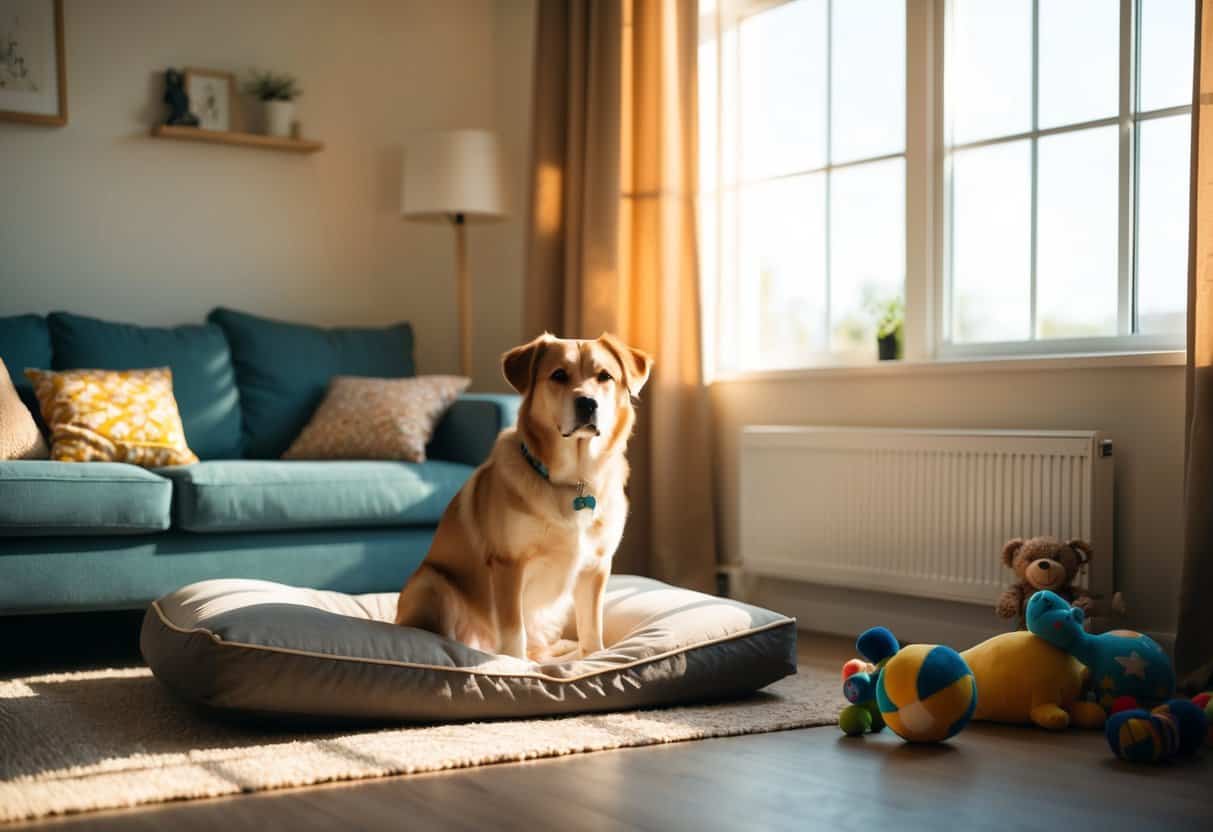
To make this situation better, consider your dog’s age, health, and personality. Many dogs can hold it for 6 hours, while others might need breaks more often. Finding a pet sitter or doggy daycare for long days can help keep your furry friend happy and comfortable.
It’s essential to create a plan that supports your dog’s needs. Regular potty breaks and plenty of exercise before you leave can make a big difference. With some thought and preparation, you can ensure your dog feels cared for, even when you have to be away.
Understanding Your Dog’s Needs
When considering leaving your dog alone for eight hours, it’s vital to understand their unique needs. Different breeds react differently to being left alone, and separation anxiety can play a significant role in how your dog copes with long hours at home.
Dog Breeds and Home Aloneness
Not all dog breeds handle being alone in the same way. For example:
- Breeds like Labrador Retrievers tend to adapt well.
- Brachycephalic breeds (e.g., Bulldogs) may struggle more with separation.
To help your dog adjust, consider their age and temperament. Puppies often require short absences initially, while adult dogs, especially those trained, can be left for longer. Remember to provide them with toys and activities to keep them engaged while you are away.
Separation Anxiety in Dogs
Separation anxiety is a common issue for many dogs. Signs include:
- Excessive barking
- Chewing furniture
- House soiling
If your dog shows these behaviors, it’s essential to address them. Gradual training can help your dog feel more secure. Try leaving them alone for short periods and gradually increase that time. You might also consider interactive toys to ease their stress. If anxiety persists, consult a veterinarian or pet behaviorist for guidance.
Preparing Your Dog for Your Absence
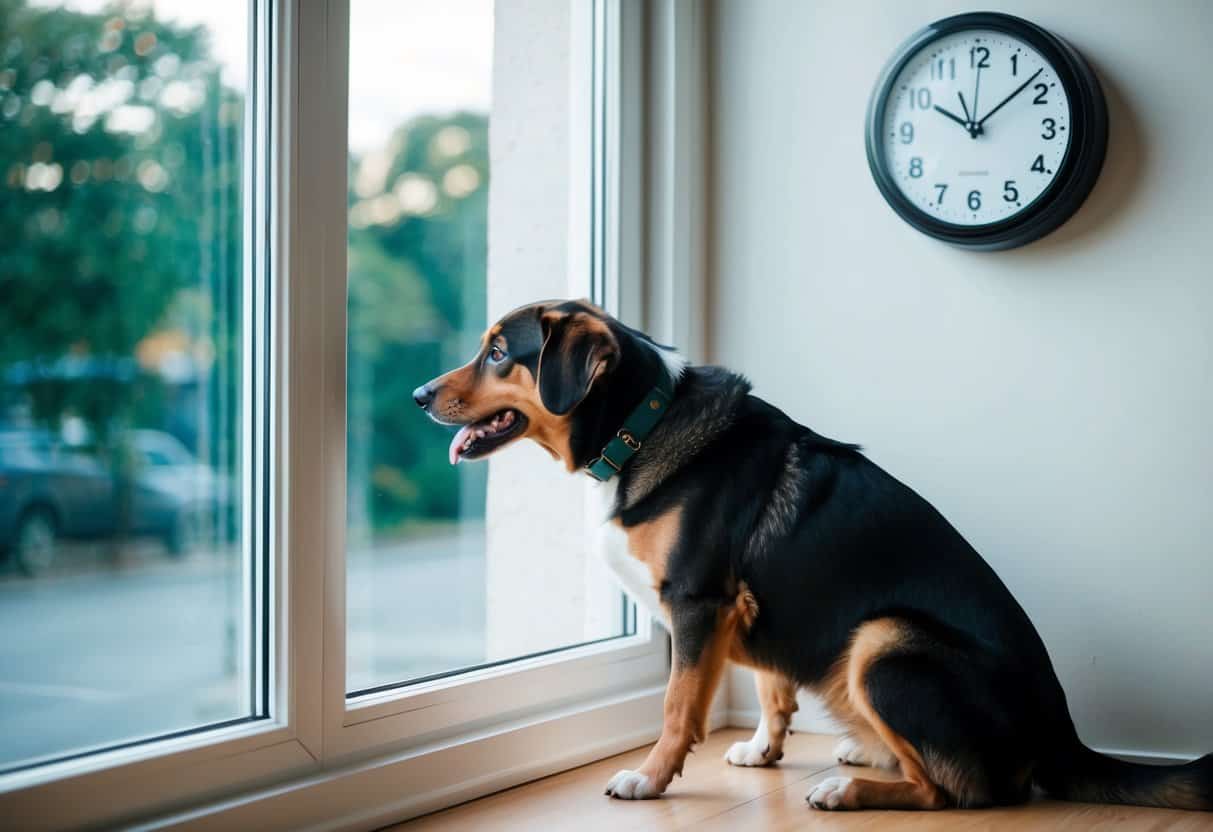
Leaving your dog while you are at work can be smooth with the right preparation. Focusing on crate training, potty training, and providing adequate exercise can help your dog feel safe and comfortable.
The Role of Crate Training
Crate training is an effective way to give your dog a secure space while you are away. Start by introducing the crate gradually. Make it comfortable with blankets and toys. You want your dog to see it as a safe haven.
Practice short periods of crate time. Gradually increase the duration as your dog gets used to it. This helps reduce anxiety. Avoid using the crate as punishment. Instead, reward your dog for entering the crate willingly. This positive reinforcement can make your dog feel relaxed and happy while you are gone.
Importance of Potty Training
Potty training is crucial for your dog’s comfort and your peace of mind during your work hours. Establish a consistent schedule for bathroom breaks, especially before you leave. Take your dog outside first thing in the morning and right before you leave.
Use commands like “go potty” to help your dog associate the phrase with the action. Praise and reward them after they go outside. If accidents happen, stay calm and clean up without scolding. Consistency is key. A well-potty-trained dog will feel more secure and will be less likely to have accidents while you’re away.
Providing Adequate Exercise
Ensuring your dog gets enough exercise is vital for their well-being, especially when you are gone for extended periods.
Before you leave for work, take your dog for a long walk or play a game of fetch. Physical activity helps release pent-up energy.
Consider interactive toys or puzzles to keep your dog entertained while you are away. Leaving these toys can stimulate your dog mentally, which can help reduce boredom.
Aim for at least 30 minutes of exercise daily, depending on your dog’s breed and energy level. A well-exercised dog is usually calmer and more content during your absence.
Solutions for Dog Care While at Work
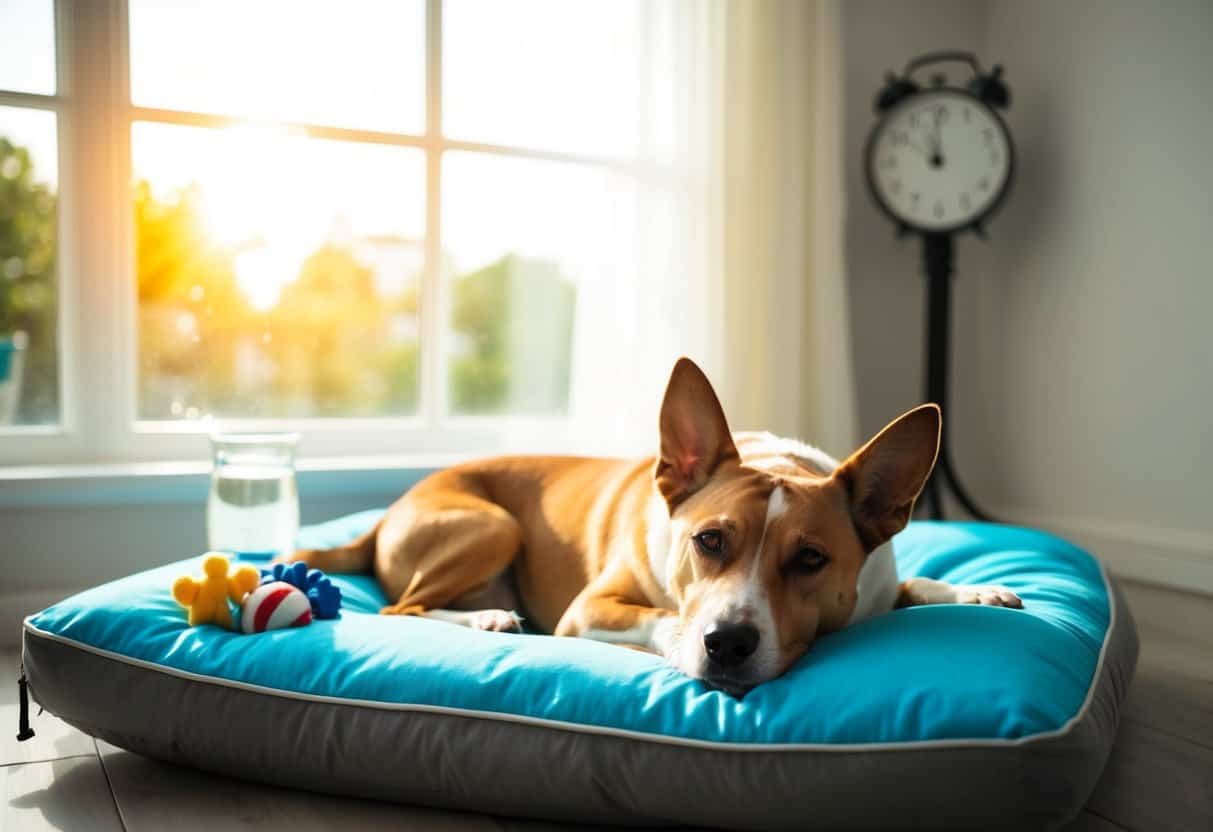
Finding the right care for your dog while you are at work can help keep them happy and healthy. Here are some practical options to consider.
Hiring a Professional Dog Walker
Hiring a professional dog walker can be a great solution for your pet. A dog walker can visit your home and take your furry friend outside for exercise and bathroom breaks. This option works well if your dog is comfortable being left alone for part of the day.
When choosing a dog walker, look for someone with good reviews and experience. You can ask friends for recommendations or check online platforms that connect you with local walkers.
Typically, a dog walker will charge between $15 to $30 for a 30-minute visit. Regular walks can also help prevent boredom and anxiety in your dog.
Exploring Doggy Daycare Options
Doggy daycare can be an excellent alternative if you are gone for long hours. These facilities provide a safe place for your dog to socialize and play with other dogs. Most daycare centers have trained staff to supervise your pet and ensure they receive the care they need.
When selecting a daycare, visit the facility first. Check for cleanliness, safety measures, and the overall environment. Ask about their daily routines and how they manage dogs with different temperaments.
Prices vary widely, ranging from $20 to $50 per day, depending on location and services offered.
Using Pet Sitters and Companions
Pet sitters offer another flexible option for dog care while you work. A pet sitter can either stay at your home or visit to walk, feed, and play with your dog. This option is beneficial for dogs who need more companionship throughout the day.
You can find pet sitters through local services or online platforms like Care.com or Rover. This allows you to compare rates and find someone who matches your needs.
Typically, pet sitters charge around $15 to $30 per visit. In some cases, they may also offer overnight stays, providing a more personal touch for your pet.
Enhancing Home Environment for Your Dog
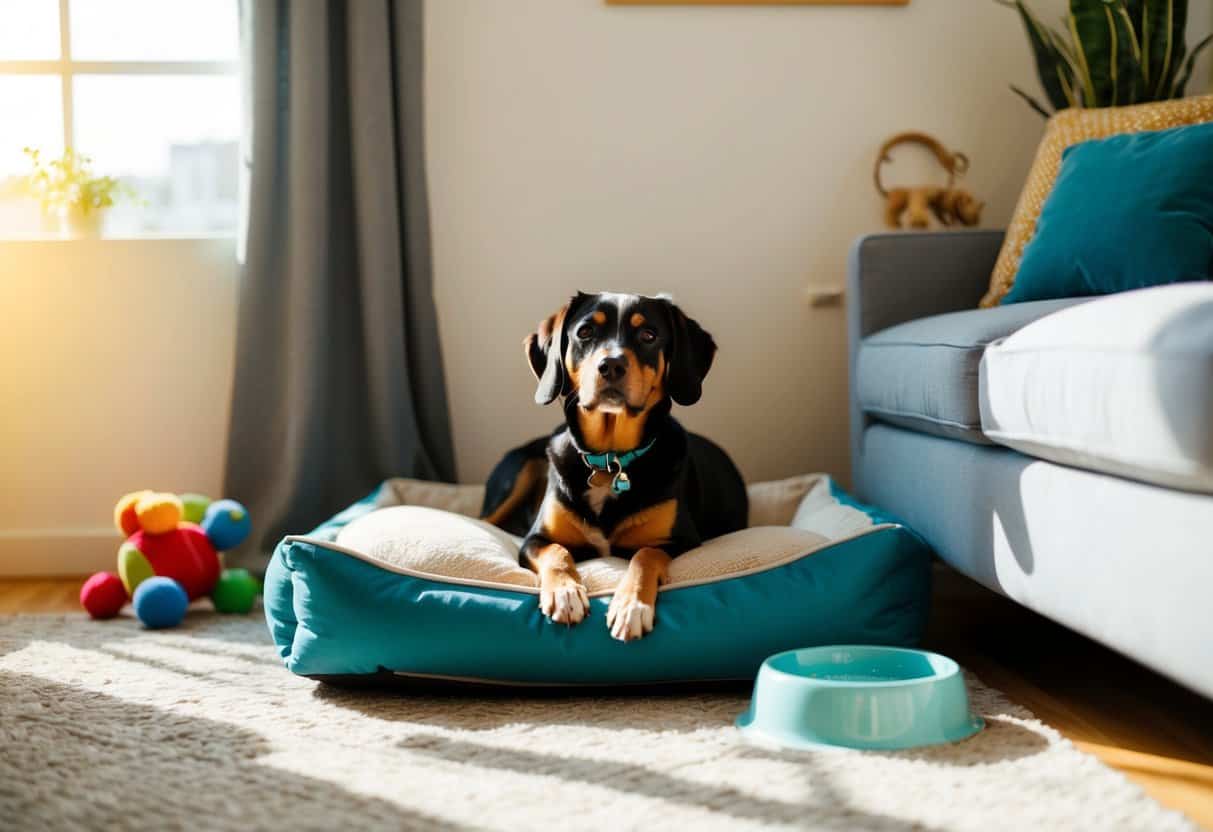
Creating a comfortable and stimulating home environment for your dog is essential when you need to leave them alone for a while. Focus on mental stimulation and keeping an eye on your pet with technology. These strategies can help your dog feel more engaged and secure while you are at work.
Mental Stimulation Activities
To keep your dog entertained, consider providing mental stimulation activities. These can help prevent boredom and reduce destructive behaviors. Here are some effective ideas:
-
Puzzle Toys: Invest in toys that dispense treats as your dog plays. These will keep their minds active and reward them for figuring things out.
-
Interactive Feeders: Use feeders that require your dog to work for their food. This not only provides stimulation but also slows down their eating.
-
Hide-and-Seek: Hide treats or favorite toys around the house for your dog to find. This encourages natural instincts and keeps them engaged.
-
Training Sessions: Spend a few minutes each day teaching new tricks. This reinforces obedience and gives your dog valuable mental exercise.
Mixing these activities into your dog’s routine can help maintain their happiness and reduce anxiety while you’re away.
Monitoring With a Pet Camera
Using a pet camera can provide peace of mind while you’re at work. These devices let you keep an eye on your dog’s behavior throughout the day. Here’s how they can help:
-
Real-Time Monitoring: Many pet cameras offer live feeds, allowing you to check in and see what your dog is up to.
-
Two-Way Audio: Some cameras let you communicate with your pet. Hearing your voice can comfort them and help ease separation anxiety.
-
Alerts and Notifications: Many cameras can send alerts if they detect barking or unusual movement. You can check in quickly to determine if your dog needs attention.
-
Recording Features: Review recorded footage to understand your dog’s behavior when you’re not home. This can help in adjusting their environment or routine if needed.


