
As a Beagle owner, you may wonder whether your 2-year-old pup still has that playful, puppy energy. The answer is that a 2-year-old Beagle is technically considered a young adult, but they may still exhibit some puppy-like behaviors. This is an exciting stage as your Beagle matures, yet retains a bit of their youthful spirit.
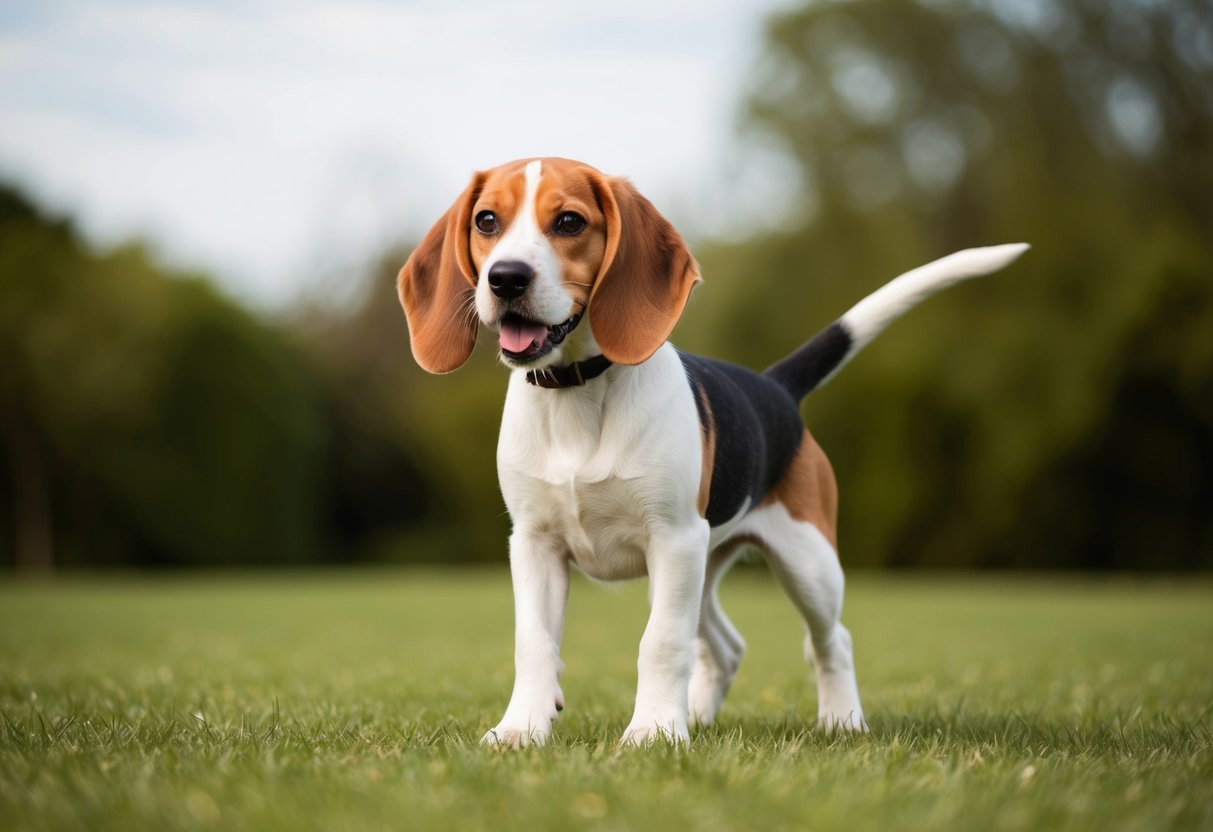
You might notice that while they are less frantic than they were as a puppy, they still have plenty of energy and curiosity.
It’s important to understand that this age is a transition period where your Beagle is learning to balance their playful nature with newfound maturity. You’ll find that they may be more obedient than before, yet still enjoy playtime and mischief.
Understanding these changes can help you nurture their development and strengthen your bond. In the following sections, we’ll explore how to best support your Beagle through this stage, ensuring they remain happy and well-adjusted.
Understanding Puppyhood and Maturity in Beagles
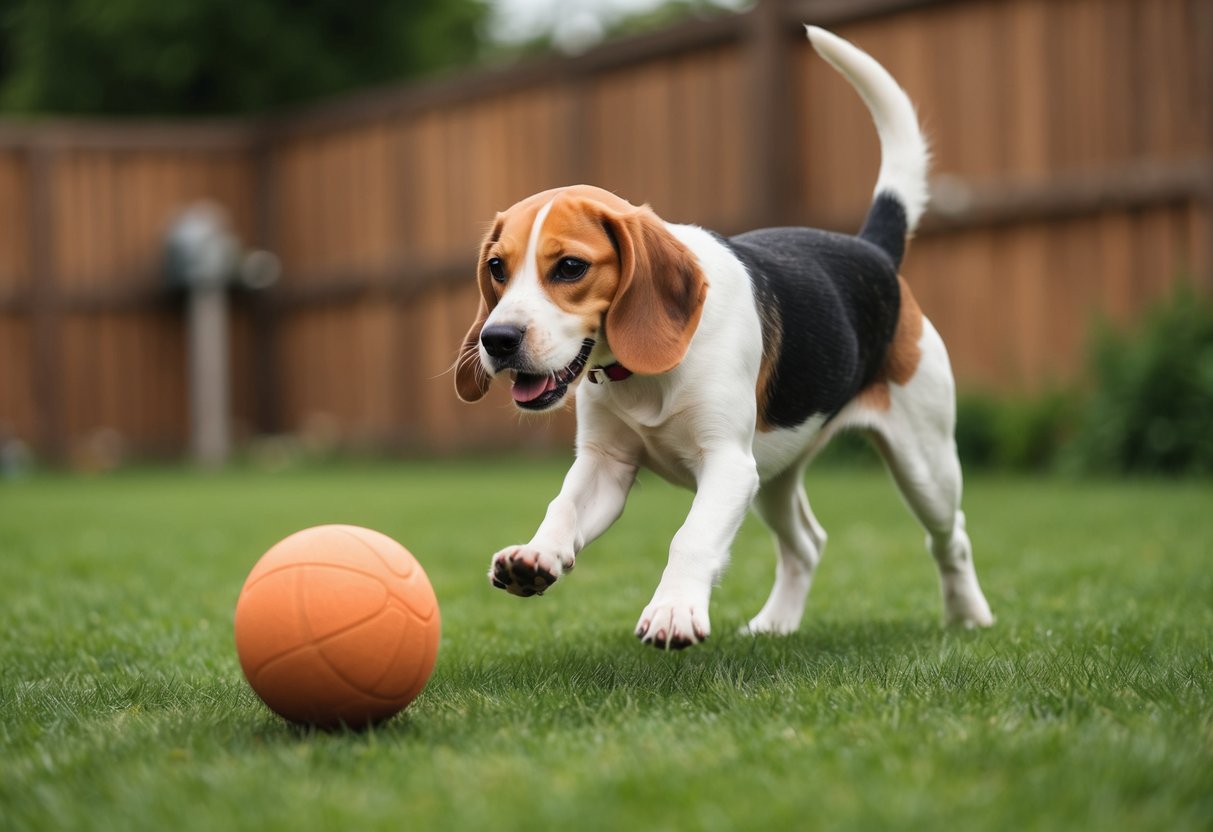
As your beagle grows, you’ll notice changes in their physical and emotional development. Understanding these changes is key to ensuring a happy, healthy life for your furry friend.
Physical, Social, and Sexual Maturity
Beagle puppies go through several stages of growth. Physical maturity typically arrives between 2 to 3 years. At this stage, your beagle will have reached its full size and weight, which usually falls between 20 to 30 pounds.
Social maturity develops as they grow. Around 2 years old, your beagle starts to behave more consistently in social settings. They may become less rambunctious and more attuned to family dynamics. Older dogs can teach valuable lessons to puppies and help shape their social skills.
Beagles also experience sexual maturity around 6 months. By 2 years old, they are fully mature and can exhibit behaviors related to mating and territoriality. Neutering or spaying can help manage these instincts if they do not fit your lifestyle.
Behavioral Characteristics from Puppy to Adult
Behavior changes significantly from puppy to adult stages. As beagles grow, they become more settled. A 2-year-old beagle may still have playful moments but shows more control over excitement.
Puppyhood is often marked by curiosity, chewing, and occasional mischief. By the time your beagle reaches 2 years, their bad habits may lessen, but don’t always disappear.
You might notice that your adult beagle is more obedient during training and social interactions. Consistent training helps solidify positive behaviors, leading to a well-rounded companion. Remember, patience is essential as they continue to mature.
The Importance of Training and Socialization
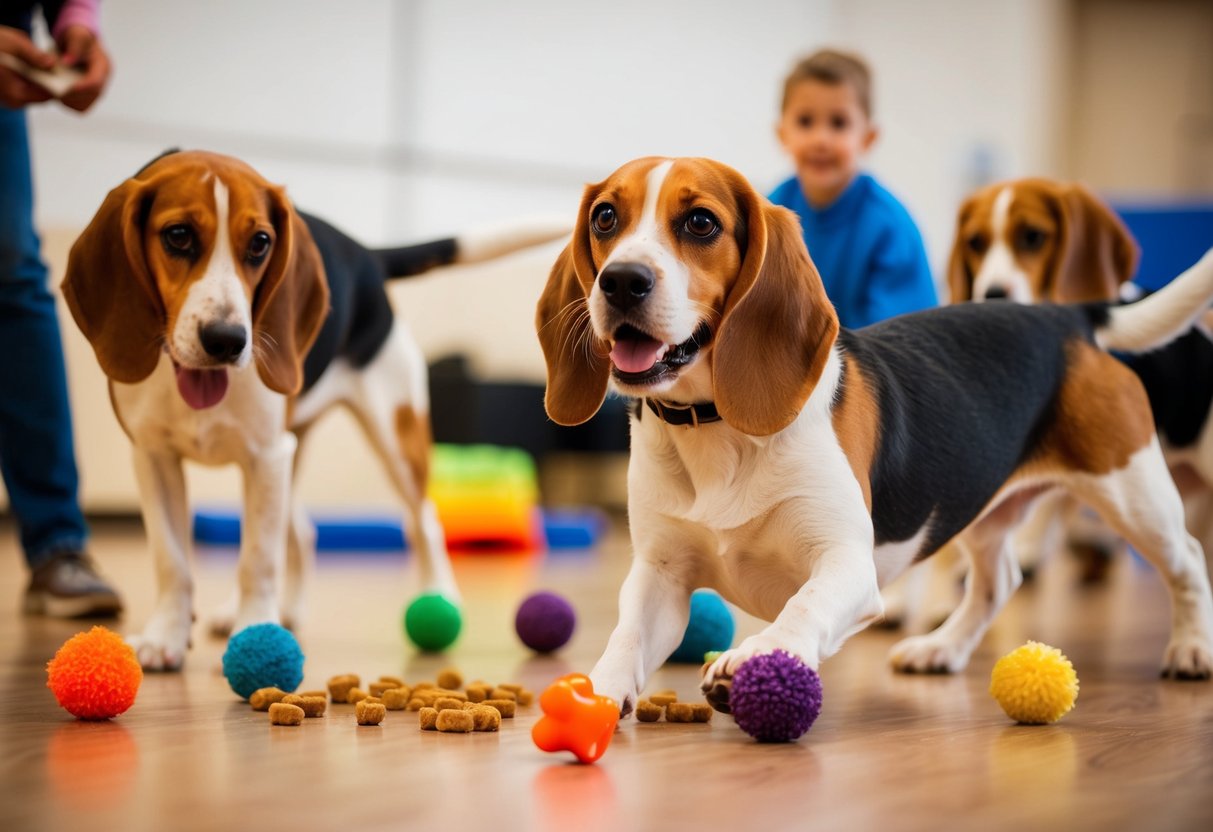
Training and socialization are vital for your 2-year-old Beagle. These practices help create a well-adjusted, obedient dog. They also strengthen your bond, making life easier and more enjoyable for both of you.
Foundational Training for Beagle Puppies
Training is essential, even for a 2-year-old Beagle. Start with basic commands like sit, stay, and come. Use positive reinforcement—reward your dog with treats or praise when they follow a command.
Beagles are smart but independent, so be patient. Consistency is key.
Try short, fun sessions to keep your Beagle engaged. Incorporate obedience training regularly to reinforce good behavior and prevent bad habits.
Don’t forget about crate training. This can help with house-training and provides your Beagle with a safe space. A crate can also ease separation anxiety if your dog struggles when left alone.
Socialization in the Development of Beagles
Socialization is crucial for your Beagle’s development. Expose them to different people, places, and other animals. This can help prevent fearfulness and aggression.
Start socializing early, but it’s never too late.
Arrange playdates with other dogs or visit dog parks. Positive experiences will help your Beagle become more confident and adaptable in new situations.
It’s helpful to encourage interactions in controlled environments. Gradually introduce your Beagle to more challenging settings so they can learn to remain calm and friendly, regardless of what’s around.
Teaching Your Beagle Good Manners
Teaching good manners is essential for a happy household. Begin with basic rules, like no jumping or begging at the table. Consistency is important—make sure everyone in your household applies the same rules.
Use positive reinforcement to reward good behavior. For example, if your Beagle waits patiently, give them a treat.
Regular training sessions can also help manage behaviors related to separation anxiety. When your Beagle follows commands, they feel more secure and less anxious when you’re away.
Incorporate fun into training! Engage your Beagle with games while teaching them proper behaviors. This makes learning enjoyable and helps them learn faster.
Managing Energy Levels and Stimulation Needs
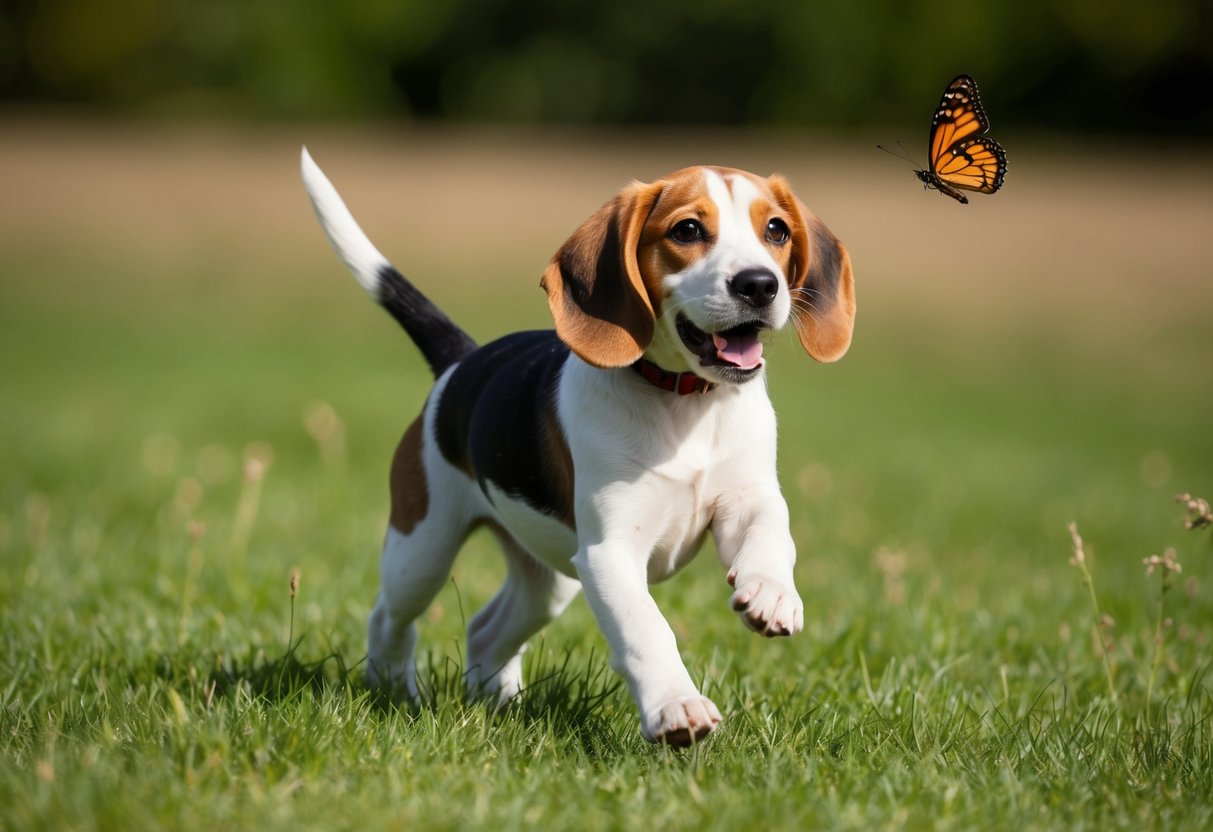
A 2-year-old Beagle is still very much in their active and playful phase. Understanding how to manage their energy and provide the right kind of stimulation is crucial for their happiness and behavior.
Physical Exercise for Your Beagle
Your Beagle needs regular physical activity to stay healthy and burn off energy. Aim for at least 60 minutes of exercise each day. This can include brisk walks, runs, or playtime in a secure area.
Consider activities like fetch or agility training to keep things interesting.
Remember to vary the routine to prevent boredom. Beagles love to sniff, so let them explore their environment during walks. This not only satisfies their curiosity but also provides mental stimulation alongside physical activity.
Mental Enrichment Activities
In addition to physical exercise, mental stimulation is equally important. Your Beagle thrives on challenges that engage their minds.
Use puzzle toys that dispense treats as a fun challenge. You can also teach them new tricks or commands. This helps keep their brains sharp.
Hide-and-seek games with toys or treats can also be a great way to stimulate their senses and provide entertainment.
Lastly, consider interactive games like scent trails, where you hide treats around your home or yard. This caters to their natural instincts and keeps them engaged.
Beagle Health and Wellness Throughout Their Life Stages

As your beagle grows, it’s important to pay attention to their health and nutrition. Each life stage brings unique needs for your furry friend. Understanding these needs helps you provide the best care.
Nutritional Considerations for a Growing Beagle
When your beagle is still a puppy, their diet should support their rapid growth. At this stage, high-quality puppy food is essential. Look for options that are rich in protein and have the right balance of fats, vitamins, and minerals.
From 6 months to 1 year, you can start transitioning to adult dog food. This is crucial to prevent obesity, which beagles are prone to.
Feeding your adult beagle a diet with fewer calories helps maintain a healthy weight. Always consult your vet for specific recommendations based on your beagle’s age and activity level.
For senior beagles, diets may need further adjustment. Lower calorie options and joint supplements can be beneficial. Tailoring their diet can improve their overall well-being and energy levels.
Health Screenings and Preventive Care
Regular health screenings are vital throughout your beagle’s life. Early detection of health issues can make a big difference.
Puppies should have their first vet check-up within the first few weeks. Vaccinations are also crucial to protect against common diseases.
As your beagle ages, regular wellness exams become even more important. Senior beagles may need additional tests like blood work or X-rays to monitor for health problems. Watching for changes in behavior is key. If your beagle is less active or shows changes in eating habits, it’s time to consult your vet.
Preventive care, including dental cleanings and parasite control, also helps maintain good health. Staying up-to-date with these screenings ensures a longer, happier life for your beagle.


