
So, you’ve been thinking about keeping bees in your backyard in the UK? Good news—it’s usually allowed, and you don’t need a license.
You can keep bees in your garden or even squeeze a hive onto a small balcony. Just make sure you get permission from the landowner if the space isn’t yours. Loads of folks find beekeeping rewarding, and honestly, it’s great for local wildlife too.
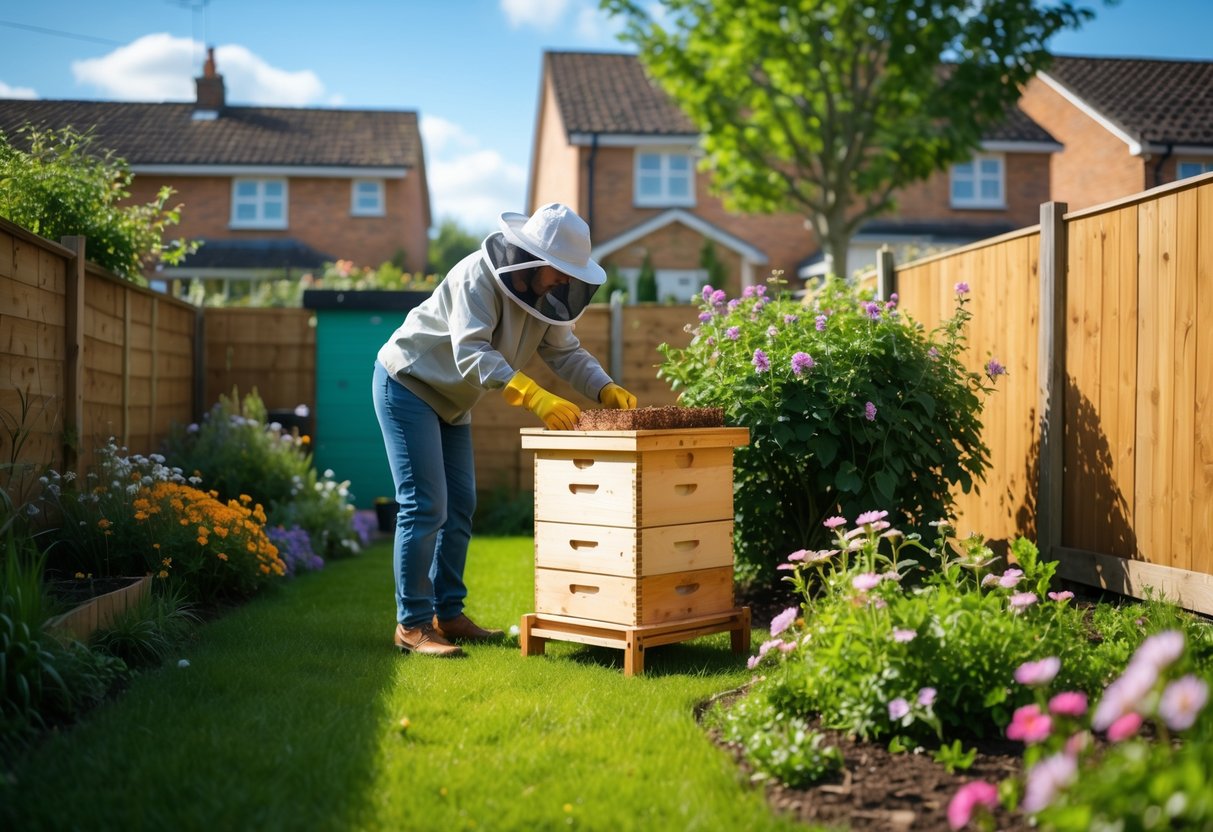
Before you set up hives, think about your neighbors and how your garden is laid out. While strict laws about hive placement don’t really exist, being considerate can save you a headache later.
If your bees ever cause real trouble, like repeated stings, a neighbor might ask you to move them. That’s fair enough, right?
Even if your garden’s tiny, you might still manage to keep bees with a bit of planning. Want to know how to get started and what to look out for? Stick around for some handy tips on bee-friendly beekeeping in the UK.
For more details, you can check out this guide on keeping bees in your garden.
Can I Keep Bees in My Backyard in the UK?

You can keep bees in your backyard in the UK, but there are a few important things you should know first. You don’t need a license, but it’s smart to check local rules and think about your neighbors.
Some places set out guidelines to help you avoid problems with your bees. It never hurts to double-check.
Legal Requirements and Permissions
The UK doesn’t have any specific laws that stop you from keeping bees in your backyard. You won’t need a license to get started.
You do have to keep your bees in a way that doesn’t harm others, though. If someone can show your bees are causing real trouble—like frequent stings—they could ask you to move the hive.
If you want to put a hive on land you don’t own, always get written permission from the landowner. This keeps things clear if there’s ever a dispute.
Local beekeeping associations can offer advice if you’re not sure where to start.
Local Council Guidelines
Strict national laws? Not really. But your local council might have its own set of rules or suggestions about beekeeping near homes.
Some councils recommend placing hives away from public paths and busy spots to avoid any fuss.
Talking with your neighbors before you bring in bees is just good manners. Some folks worry about stings or allergies, and you don’t want any surprises.
Many councils have leaflets or websites with tips on safe beekeeping in neighborhoods. It’s worth a quick look to keep things friendly.
Understanding Lease and Property Restrictions
If you rent your place, your lease could have rules about keeping bees. Some landlords just won’t allow apiaries, so check your agreement before you buy a hive.
Even if you own your home, neighborhood rules—like those from a homeowners’ association—might say no to beehives. These rules usually aim to keep things peaceful for everyone.
Always review any property restrictions. If you’re unsure, your local beekeeping association can help you figure out what’s allowed. They know the ropes and can help you keep your bees responsibly.
For more details, check out Caring for bees | nidirect.
Key Considerations for Backyard Beekeeping

If you’re going to keep bees in your backyard, there are a few things you really need to think about. How your bees affect others, where you put your hive, and making sure kids and pets stay safe—these all matter.
Impact on Neighbours and Community
Your bees won’t just stick to your garden. They’ll wander, so think about how they might affect your neighbors.
Bees usually care more about flowers than people, but some folks get nervous about stings. Let your neighbors know what you’re planning and listen if they’ve got worries.
Try to keep hives away from busy paths and places where people walk a lot. If you place a hive near a tall fence or some bushes, you can encourage bees to fly higher and avoid people’s faces.
Good communication helps keep things smooth. Most UK communities don’t have strict rules, but being friendly and considerate goes a long way.
Hive Placement and Access
Where you put your hive can make a big difference for your bees’ health and your own convenience. Pick a quiet spot that gets morning sun and some shade later in the day.
Face the hive away from main paths and doors, so bees fly up and across your garden instead of toward your neighbors. Avoid windy areas and standing water, since those can stress your bees out.
Make sure you can get to your hive easily. You’ll need space to move around it, check on your bees, and collect honey when the time comes.
Safety for Children and Pets
Bee stings don’t happen often if you handle bees with care. Still, it’s smart to think about safety in your backyard.
Put hives in spots where kids and pets don’t usually play or run by. That way, you avoid surprises.
Show children how to stay calm around bees and remind them not to swat. If your pets seem curious, watch them closely near the hive.
Wear protective clothing when you check the hive. It really cuts down your chances of getting stung.
Always try to manage your bees gently. Staying calm makes the bees less likely to get defensive.
Want more tips on hive placement? Check out advice on small garden bee placement.


