
You might assume chimps stick to plants and fruits, but honestly, their menu is a bit more adventurous. Chimps definitely eat meat, though it’s just a small slice of what they eat overall.
Adult male chimps, in particular, hunt and share meat with others in their group. It’s not every day, but it happens enough to notice.

Most of what chimps eat comes from fruits, nuts, and insects. But when they go for meat, they usually target small animals—monkeys or other forest critters, mostly.
This mix in their diet makes chimps feel a bit more familiar, doesn’t it? They’re not so different from us after all.
If you’ve ever wondered just how close their eating habits get to ours, there are some fascinating details in their hunting and sharing routines. Curious? There’s more to uncover about what meat means in a chimp’s daily life.
Chimpanzees and Meat Consumption
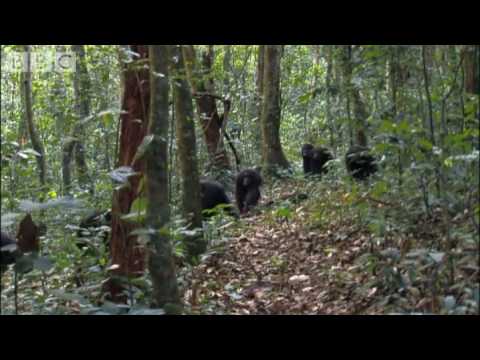
Chimps mainly munch on fruits, nuts, and plants. But meat still sneaks into their diet now and then.
How often do they eat meat? Who does the hunting? It really depends on the group and the situation.
You’ll find some surprises in their meat-eating habits—especially when it comes to their favorite prey.
Frequency and Importance of Meat in the Chimpanzee Diet
Meat only makes up about 1 to 3 percent of a wild chimp’s food. Most of their protein comes from plants, insects, and nuts.
Still, for some chimps—usually the adult males—meat pops up more often in their diet. It matters more to them.
Meat gives them extra nutrients, like protein and certain vitamins. But let’s be real, chimps aren’t carnivores. They still eat mostly fruit and leaves.
Hunting Behaviors in Wild Chimpanzees
Wild chimps hunt together, usually in groups. They’ve got a knack for teamwork.
They share the meat with others—not just their families, but the whole group. Sometimes, you’ll catch them using sticks or even spears as tools, especially in places like Taï National Park in Côte d’Ivoire.
Chimps usually go after smaller animals, like monkeys. Red colobus monkeys seem to be their top pick.
Their hunts are pretty strategic, and the ones who succeed get some serious social points.
Differences Between Male and Female Meat-Eating
Adult male chimps eat more meat than females. Studies even show that males have higher nitrogen-15 levels—a sign they’re eating more meat.
Males do most of the hunting and often share their catch with other males or the group. Females and younger chimps stick to plants and insects for protein.
So, meat matters more to some chimps than others.
Favorite Prey: Red Colobus Monkeys and Other Animals
Red colobus monkeys top the list for chimp hunters. They live nearby and are just the right size for a meal.
Chimps don’t stop there, though. They’ll eat small mammals, birds, insects, and sometimes even other primates.
What they hunt really depends on where they live and what’s around.
Meat-Eating in the Primate World

Meat eating among primates is all over the place. Some only eat meat once in a while, while others fit it in more regularly.
Understanding these differences helps you see where chimps land in the bigger primate picture.
How Chimpanzee Diets Compare with Other Primates
Most primates stick to plants—fruits, nuts, leaves. Meat’s not a huge part of their diet, but it does show up sometimes.
Chimps stand out because they eat more meat than most nonhuman primates, even if it’s just 1 to 3 percent of what they eat.
Other primates might snack on insects or small animals if it’s easy, but chimps actually hunt medium-sized animals like monkeys or small antelopes.
Some chimp groups even use sticks to fish for insects, which is kind of impressive. They get creative finding protein.
When you look at the whole primate family, chimps rely on meat a bit more than most, but it’s still just a small piece of their diet.
Nutritional Value and Social Aspects of Eating Meat
Meat gives primates key nutrients like protein, vitamins, and minerals. Chimpanzees can do just fine without meat, but when adult males eat it, they seem to get a boost of energy and nutrition.
You’ll often see chimps eating meat after a hunt, and they don’t keep it to themselves. They share the catch, which is pretty interesting if you think about it.
Sharing meat actually brings the group closer, especially the males who go hunting together. They build friendships and alliances this way, even with chimps outside their own families.
Hunting isn’t easy—it’s risky and takes a lot of effort. But the social rewards of sharing meat seem just as important as the food itself.
So, when chimps eat meat, it’s not just about satisfying hunger. It’s also about connecting with others in their community.
If you want to dig deeper, check out this article on chimpanzee diets and hunting behavior.


