
Maybe you’ve heard that humans and chimpanzees share a lot of DNA, so you wonder if sharing blood would work too. It sounds logical at first—chimps are basically our closest animal relatives.
But honestly, blood transfusions between humans and chimps just don’t work like that.
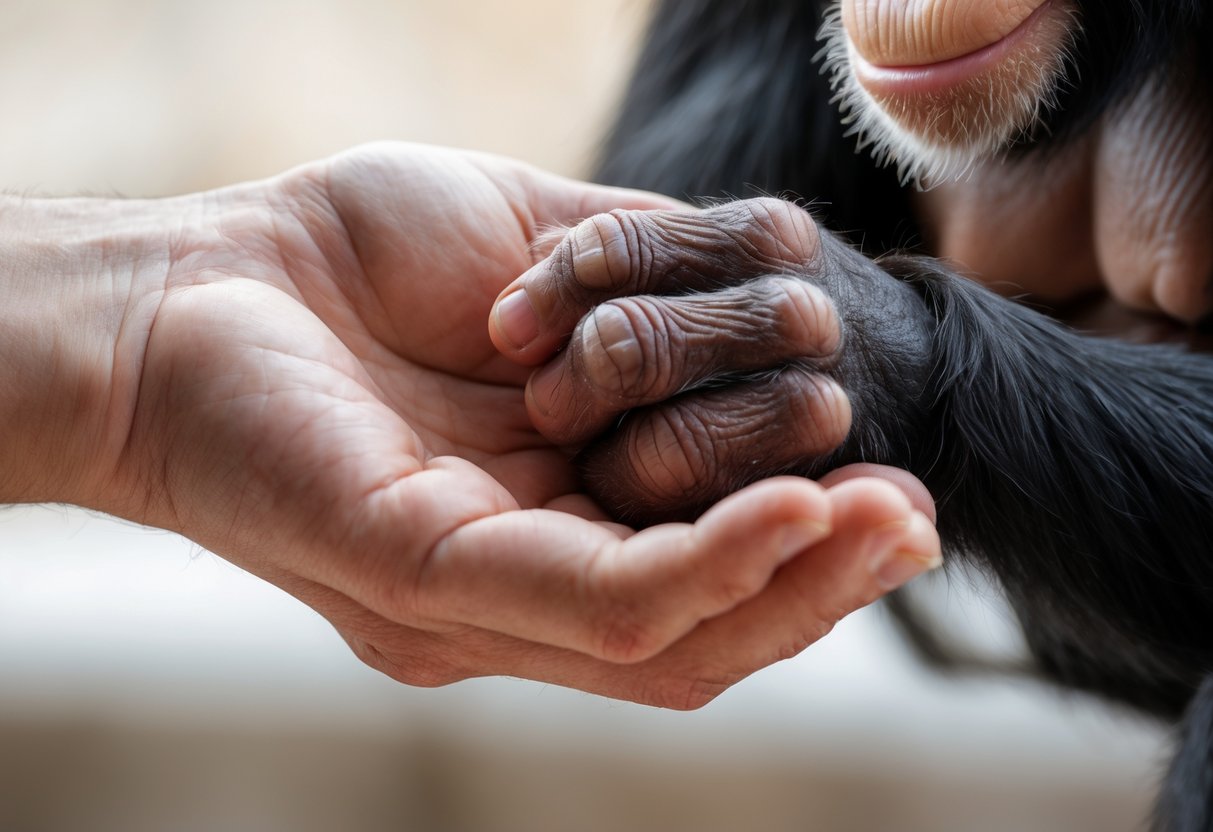
Here’s the quick version: chimps and humans can’t safely share blood. Their blood types and immune systems differ enough to make transfusions dangerous.
Even though chimp and human blood have a lot in common, tiny protein differences on blood cells set off your immune system. Your body would spot chimp blood as a threat and react strongly.
If you’re curious about what actually makes blood sharing so tricky, let’s dig into the details. It turns out, there’s a lot more to this than just matching up blood types.
Can Chimps and Humans Share Blood?
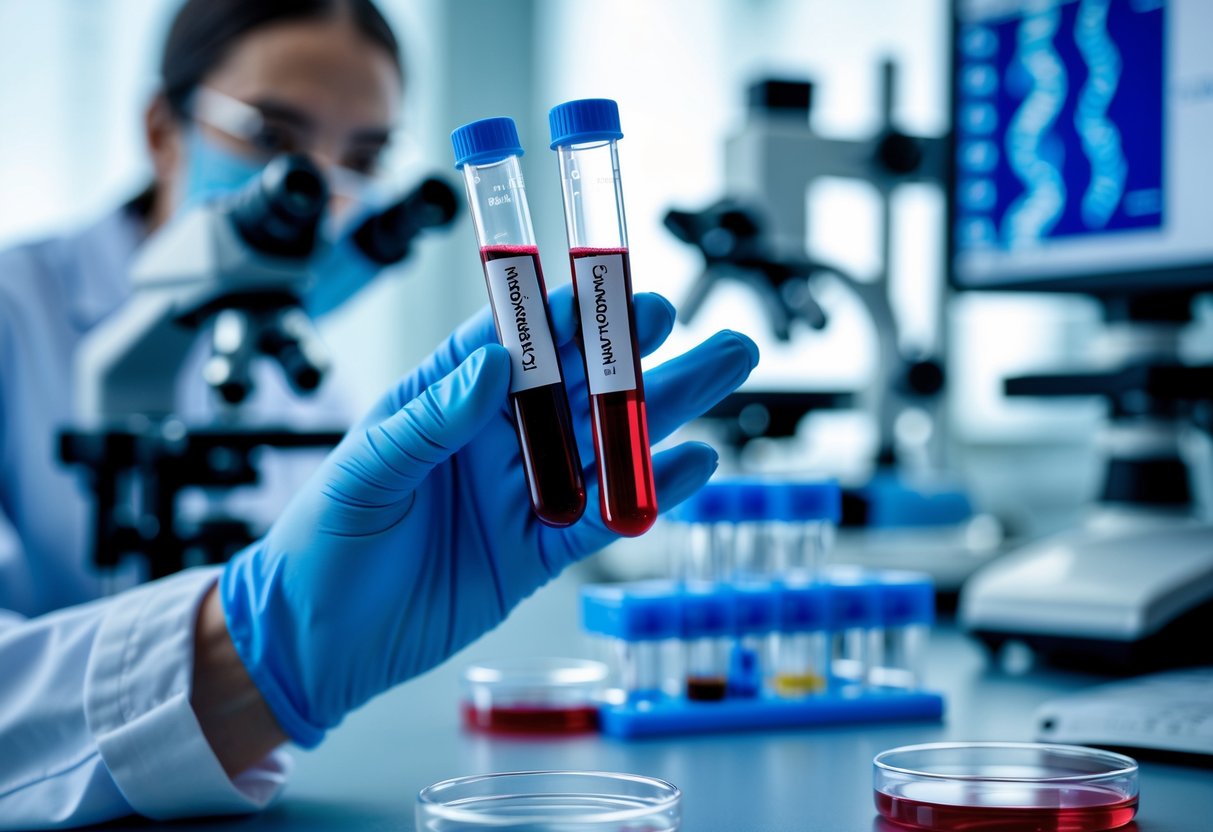
Blood compatibility between humans and chimps gets complicated quickly. Even though our DNA overlaps quite a bit, blood types and immune responses throw up some serious roadblocks.
These differences really shape how your body would react if you got chimp blood.
Key Barriers to Blood Sharing
Chimpanzees have blood types that look a lot like human ABO groups—A, B, AB, and O. But the antigens, those proteins on blood cells, aren’t a perfect match.
Even tiny differences in these proteins make your immune system see chimp blood as foreign.
Chimps have a blood group system a bit like our Rh factor. Still, it’s not close enough to stop your immune system from attacking.
Your body treats these small differences in antigens as threats.
Because of these mismatches in blood antigens and genes, doctors can’t transfuse blood from chimps to humans. Your immune system needs a really specific match, and even if the blood type looks right, it just doesn’t work.
Clinical Risks and Immune Responses
If someone gave you chimp blood, your immune system would go into overdrive. It would start making antibodies to attack the blood cells right away.
That kind of reaction can get dangerous fast—think fever, organ failure, or worse. Your body just doesn’t mess around when it thinks there’s an invader.
There’s also the chance of spreading diseases that only chimps or humans carry. That’s a risk nobody wants.
Doctors already have their hands full matching blood between humans. With chimps, the risks are on a whole other level, so no one even tries.
If you want to go deeper, you can check out more about the challenges of blood compatibility between chimps and humans here.
Blood Group Compatibility and Genetic Similarities
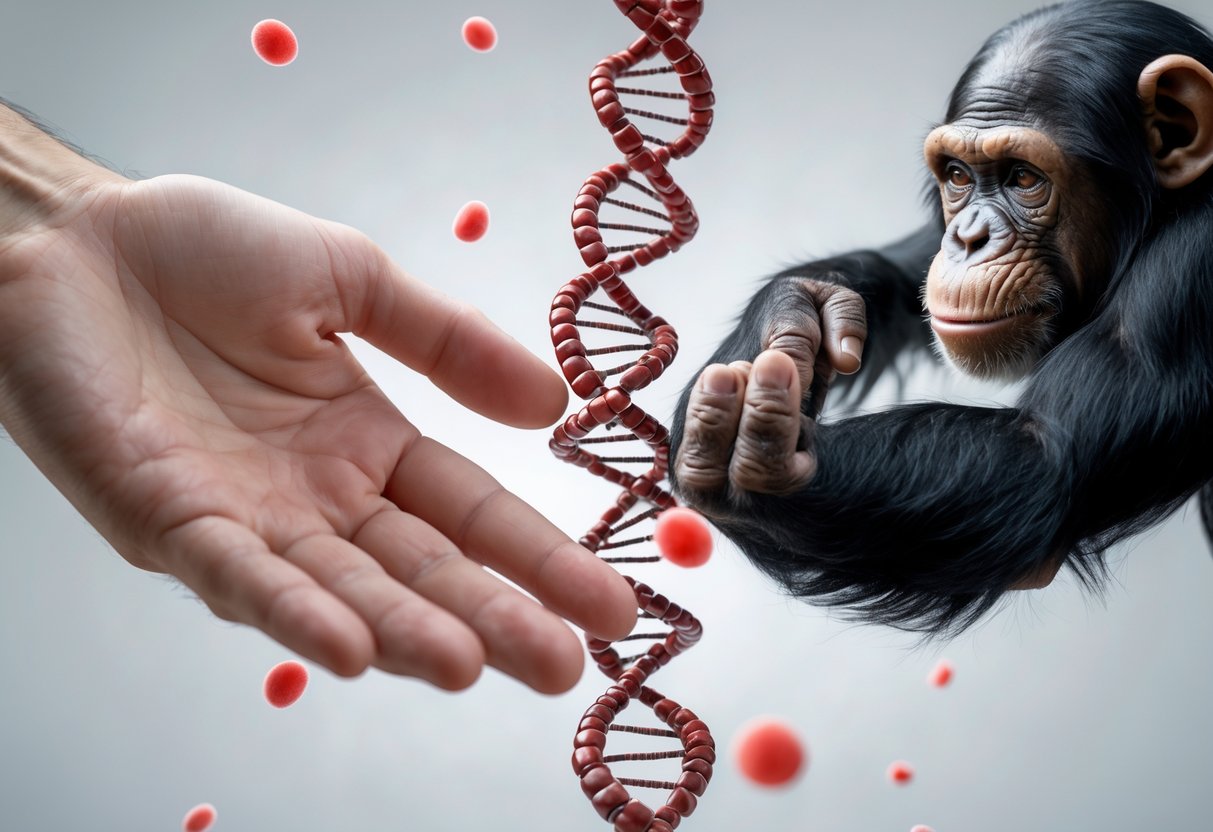
It might seem like sharing so much DNA with chimps would make our blood types a close match. But honestly, the differences are what count.
These differences shape how your immune system would react to chimp blood. When you look at blood groups and DNA together, it’s clear why sharing blood just isn’t safe.
ABO and Rh Blood Type Differences
Both humans and chimps have the ABO blood group system—so you’ll see A, B, AB, or O in both species. They’ve got something like our Rh factor too, which in humans is positive or negative.
But here’s the catch: those antigens, the special proteins on red blood cells, don’t line up exactly between humans and chimps.
Even small changes in these antigens make your immune system treat chimp blood like an invader.
Here’s a quick rundown:
- Human and chimp blood types look similar, but their antigens don’t match up perfectly.
- Your immune system attacks chimp blood cells because it sees them as foreign.
- This triggers harmful reactions, like fever or even organ trouble.
So, even if the blood types seem to match, those subtle differences make cross-species transfusions way too risky.
DNA and Hemoglobin Comparison
Your DNA shares about 98-99% similarity with chimpanzees. That tiny difference? It actually affects blood, too.
Genes decide which proteins appear on blood cells, including hemoglobin—the molecule that carries oxygen around your body.
Human and chimp hemoglobin proteins look pretty similar. Still, a few small differences pop up.
These subtle changes shape how your body recognizes blood cells and what it accepts.
Here are a few things worth knowing:
- Chimp and human hemoglobin aren’t exactly the same; their structures differ a bit.
- DNA shapes crucial blood proteins, which can cause immune reactions if mixed.
- Genetic differences explain why sharing blood across species isn’t safe.
Your immune system works hard to spot and reject anything that feels unfamiliar. Even though humans and chimps are close relatives, your blood just can’t mix safely with chimpanzee blood. If you want to dive deeper, check out this page on chimp and human blood overlap.