
Ever wonder if chimpanzees really need meat to survive? They mostly munch on fruits and plants, after all. The thing is, chimpanzees can totally live without eating meat and still stay healthy. But honestly, they’ll eat it when they get the chance because it gives them extra energy and nutrients.
Their diet leans heavily on plants, but meat does sneak in here and there.

Meat only makes up a tiny part of what they eat, and some chimp groups might go months—or even years—without a bite of it. When fruit or plants run low, chimps team up to hunt small animals, showing off their teamwork skills. They don’t chow down on meat every day, but when they do, it helps them grab certain vitamins and proteins.
Curious about why chimps even bother with meat or how often they go hunting? Their habits are honestly fascinating. The way they hunt and share meat gives us a peek into their social lives and what makes their diet so unique. You can read more about chimpanzee diets and habits here.
Chimpanzee Diet and Survival Without Meat
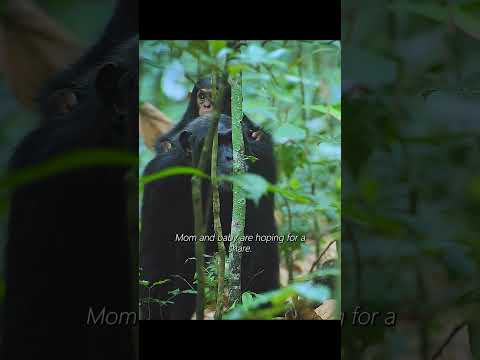
Chimpanzees actually live healthy lives without meat, relying on a big mix of plant-based foods. They pick fruits, leaves, insects, and other natural stuff that covers their nutritional bases.
If you look at what they eat, you’ll see they’re pretty good at adapting, even when meat isn’t around.
Key Plant-Based Foods in Chimpanzee Diets
Fruit is a huge part of a chimpanzee’s daily menu. They love figs, which give them sugar for quick energy and fiber to keep things moving.
Leaves and pith matter too, bringing protein, fiber, and water into the mix.
Chimps also snack on insects like termites and ants. These add some protein and fat, but honestly, insects aren’t the main thing on the menu. Sometimes, chimps even swallow certain leaves whole to help fight off parasites.
Honey pops up now and then as a rare treat. It’s packed with sugar and nutrients—who wouldn’t want a taste? Looking closely, it’s clear these plant-based foods keep chimps active and healthy.
Essential Nutrients Chimpanzees Obtain from Plants
Plants give chimpanzees carbohydrates, protein, fiber, and all sorts of vitamins and minerals. Fruits offer quick energy, while leaves and pith stick around longer for slower fuel and help with digestion.
Most of their protein comes from leaves and, yeah, a few insects. This helps them keep their muscles strong and stay in good shape.
Vitamins like Vitamin C from fruit boost their immune system, and minerals such as calcium keep their bones sturdy. Chimps seem to know what they need and mix up their food choices to cover all the bases.
Examples of Meat-Free Chimpanzee Populations
Some chimpanzee groups go months or years without touching meat. They get by just fine on fruits and plants.
In certain forests, chimps rarely hunt mammals at all. The environment gives them plenty of fruits and leaves, so they don’t really need to hunt.
Elsewhere, chimps might eat meat now and then, but it’s not a regular thing. Watching these groups, you’ll notice they’re super flexible—adapting their diets easily and staying healthy without meat.
Learn more about what chimpanzees eat and their feeding habits at What Do Chimpanzees Eat? Inside the Diet of Our Relatives.
Hunting, Meat Consumption, and Cultural Differences
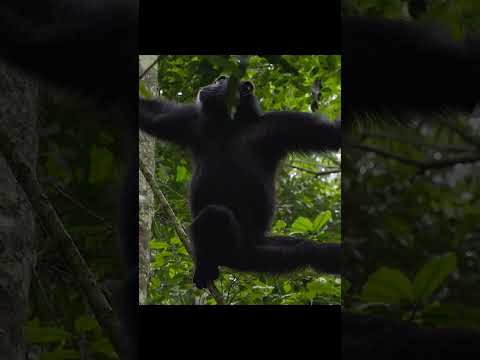
Chimpanzee groups all have their own styles when it comes to hunting and eating meat. These behaviors are part of their unique cultures.
Hunting isn’t just about food—it’s tied to social roles and relationships. Sharing meat helps chimps bond and cooperate.
The Role of Hunting in Chimpanzee Culture
Male chimpanzees usually handle the hunting. They team up and use strategies to catch small animals like monkeys or birds.
Hunting isn’t only about filling bellies; it’s about status and bonding with others. In some groups, good hunters earn respect and even attract mates.
Chimps show off their strength, patience, and smarts when they hunt. Sure, hunting varies a lot, but it’s mostly a guy thing, and sharing meat afterward really matters.
Variations in Meat Eating Across Chimpanzee Groups
Not every chimp group eats meat the same way or as often. Some hunt regularly, while others stick to plants and only grab meat once in a while.
Where they live and what animals are around shapes how much they hunt. Group size and nearby prey also play a role.
Some groups hunt more if they’re surrounded by lots of animals to chase. So, meat eating isn’t set in stone—it shifts with their environment and social lives.
Social Behaviors Linked to Meat Sharing
When chimpanzees share meat, it’s usually about more than just filling their stomachs. Sharing actually helps them build friendships and alliances inside the group.
Hunters tend to grab the biggest share for themselves. Still, they hand some over to others to keep the peace and encourage cooperation.
Meat sharing keeps social bonds strong and supports teamwork for future hunts. Sometimes, chimpanzees use meat to get closer to their mates or allies.
So, meat means a lot in their social world—it’s way more than just food.
If you’re curious, check out more about these interactions in wild chimpanzees’ meat eating behavior at the study on male-dominated hunting and meat eating.


