
Cheetahs are fascinating creatures, often admired for their speed and grace. Many people wonder if these wild animals can form friendships with humans. While cheetahs are not domesticated animals like dogs, they can bond with humans in certain circumstances, especially when raised in captivity.

If you’re curious about how these relationships work, you’ll find that a cheetah’s upbringing plays a big role. When cheetah cubs experience positive interactions with people from a young age, they may grow more comfortable and relaxed around humans. This bond can be nurtured in zoos or wildlife parks where they are hand-raised and imprinted on human caretakers.
However, it’s important to remember that cheetahs are still wild animals. They can show friendly behaviors, but they also need their space and respect as they navigate their environment. Understanding this balance will help you appreciate the unique relationship humans can have with these magnificent cats.
Understanding Cheetahs

Cheetahs are fascinating animals known for their speed and unique behaviors. Their temperament and physical traits play a big role in how they interact with humans and their environment.
Cheetah Behavior and Temperament
Cheetahs are social big cats. They can form bonds with humans, especially if raised in captivity. Their temperament is often less aggressive than other wild cats, which makes them appear friendly in controlled environments.
Cheetahs communicate through vocalizations and body language. They use chirps, growls, and purrs to express their feelings. When you observe their natural behavior, you can see playful interactions among siblings or with human caretakers.
While they can be affectionate, remember that they are still wild animals. Their natural instincts remain strong. Sudden movements or loud noises can startle them. It’s important to respect their boundaries and understand that even friendly cheetahs may act unpredictably.
Cheetah Physical Characteristics
Cheetahs are built for speed. They have a lightweight body, long legs, and a flexible spine that allows rapid acceleration. Their non-retractable claws provide better grip while running at high speeds.
Their spotted coat helps them blend in with their surroundings, which is essential for hunting. Cheetahs have distinctive black “tear marks” under their eyes, which help reduce glare from the sun and improve their focus.
These unique features not only aid in their survival but also make them one of the most recognizable wild cats. Understanding these physical traits enriches your appreciation for cheetahs in their natural habitat.
Cheetahs in Captivity vs. the Wild

Cheetahs have different lives depending on whether they are in the wild or in captivity. Understanding these differences helps you appreciate the challenges they face and the efforts made to protect them.
Life in the Wild
Wild cheetahs roam vast areas of grasslands and savannas. They rely on their speed to hunt small to medium-sized prey, such as gazelles. Their survival skills are crucial, as they need to find food and evade larger predators.
In the wild, cheetah populations are declining due to habitat loss, human-wildlife conflict, and decreased prey numbers. These threats have placed them on the vulnerable list. Your awareness can play a role in supporting their natural habitats.
Cheetahs and Conservation Efforts
Conservation efforts focus on protecting cheetah habitats and educating communities about their importance. Organizations work to create protected areas where wild cheetahs can thrive.
You can get involved by supporting wildlife conservation programs. These programs aim to increase awareness and promote coexistence between humans and cheetahs. Every action counts, no matter how small.
Cheetahs in Zoos
Cheetahs in zoos often have a different experience than those in the wild. In captivity, they receive regular food and veterinary care. This can lead to longer lifespans compared to wild cheetahs.
Zoos also contribute to conservation by participating in breeding programs. These programs help maintain genetic diversity among captive cheetahs. Your visits to zoos can also support these efforts, as funds help with breeding and habitat restoration projects.
Human-Cheetah Interactions
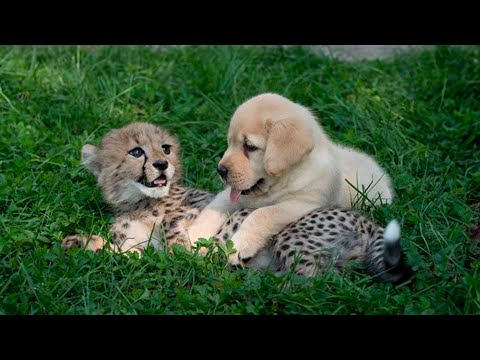
Cheetahs have a unique relationship with humans, shaped by their behavior and the environment. Understanding how these interactions unfold helps clarify how friendly cheetahs can be.
Can Cheetahs be Friendly?
You might wonder if cheetahs can truly be friendly. In captivity, when cheetah cubs are raised by humans, they often form strong bonds. This early socialization is called imprinting. Imprinted cheetahs may seek your company and respond positively to your presence.
In the wild, the situation is different. Cheetahs are naturally solitary animals. They typically avoid humans and prefer to keep their distance. Their vocalizations, which can include a soft purr, are more for communication among themselves than for interacting with people. So, while cheetahs can be friendly in certain settings, their wild counterparts generally are not.
Cheetahs’ Socialization with Humans
Cheetah cubs are especially open to human interactions. When you care for them from a young age, they learn to see humans as part of their social group.
Zoos and wildlife parks often help with this process. But remember, safety is always important. Even friendly interactions can become risky, especially with wild cheetahs.
You should never approach them in their natural habitat unless you are experienced. Understanding these dynamics helps you appreciate how special your interactions with cheetahs can be, even while recognizing their natural instincts.


