
Cheetahs are known for their incredible speed and agility, making them one of the fastest land animals. Yet, despite their strength and talents, they are not at the top of the food chain. Cheetahs do face threats from several natural predators, including lions, hyenas, and even eagles, especially when they are young.

As a vulnerable species, cheetahs have to navigate a world where bigger predators can pose a serious risk. While adult cheetahs can defend themselves, their cubs are particularly at risk, often falling prey to more powerful animals. This reality adds another layer to the challenges they already face in the wild due to habitat loss and human interference.
Understanding the predators that pose a threat to cheetahs gives you insight into the struggles these amazing animals endure. It highlights the importance of conservation efforts and the delicate balance of nature that allows these incredible creatures to survive.
Cheetah Predators and Threats
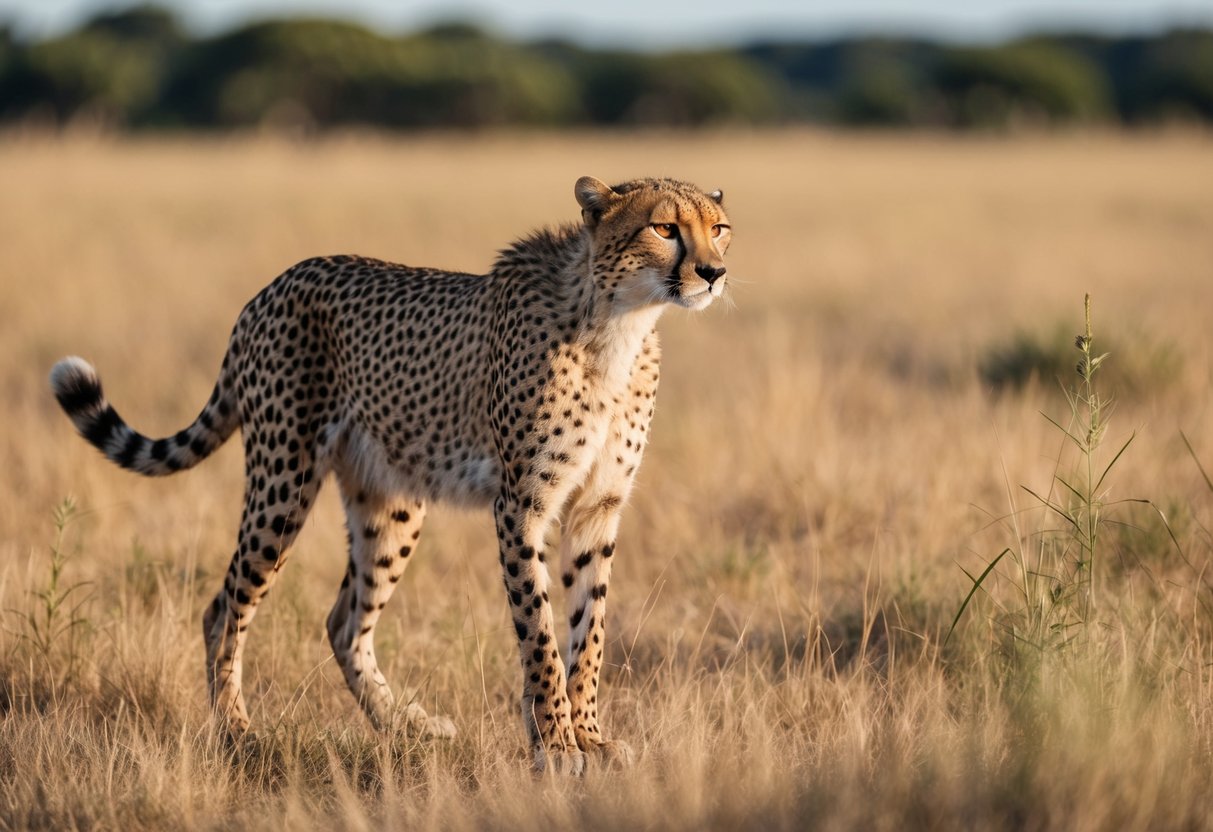
Cheetahs face several challenges in the wild, including competition with other predators, risks to their young, and various human-related issues. Understanding these threats is key to protecting these incredible animals.
Interaction With Other Large Predators
Cheetahs share their habitat with strong competitors like lions, leopards, and hyenas. These larger predators often view cheetahs as threats or potential meals.
Lions are particularly aggressive, frequently hunting cubs or stealing kills from cheetahs. Leopards are also known to prey on baby cheetahs if they find them alone.
Hyenas pose a different threat; they often outnumber cheetahs and will chase them off their kills. To avoid these conflicts, cheetahs usually hunt during the day when they can see better and often choose open areas to spot threats early.
Risks to Cheetah Cubs
Cheetah cubs face enormous threats in their early stages of life. Around 90% of cubs can die due to predation from larger animals. This statistic highlights the vulnerability of cheetah cubs.
Their lightweight and small size make them easy targets. Cheetah mothers often keep their cubs hidden in tall grass for protection.
If a mother is startled or if they are left unattended, other predators can easily find and prey upon them. This instinct to hide helps, but sadly, many cubs do not survive past their first few months.
Human Impact on Cheetahs
Humans significantly affect the survival of cheetahs. One major issue is habitat loss. As farmland expands, cheetahs lose their natural homes and hunting grounds.
Human-wildlife conflict frequently arises as cheetahs come into contact with livestock. Farmers often retaliate against cheetahs that threaten their animals, leading to further deaths.
Poaching and the illegal wildlife trade also put cheetahs in danger. Some people capture cheetahs for pets or for display in illegal zoos. Protecting their habitat and minimizing conflict are vital to ensuring the survival of these unique animals.
Cheetah Adaptations for Survival
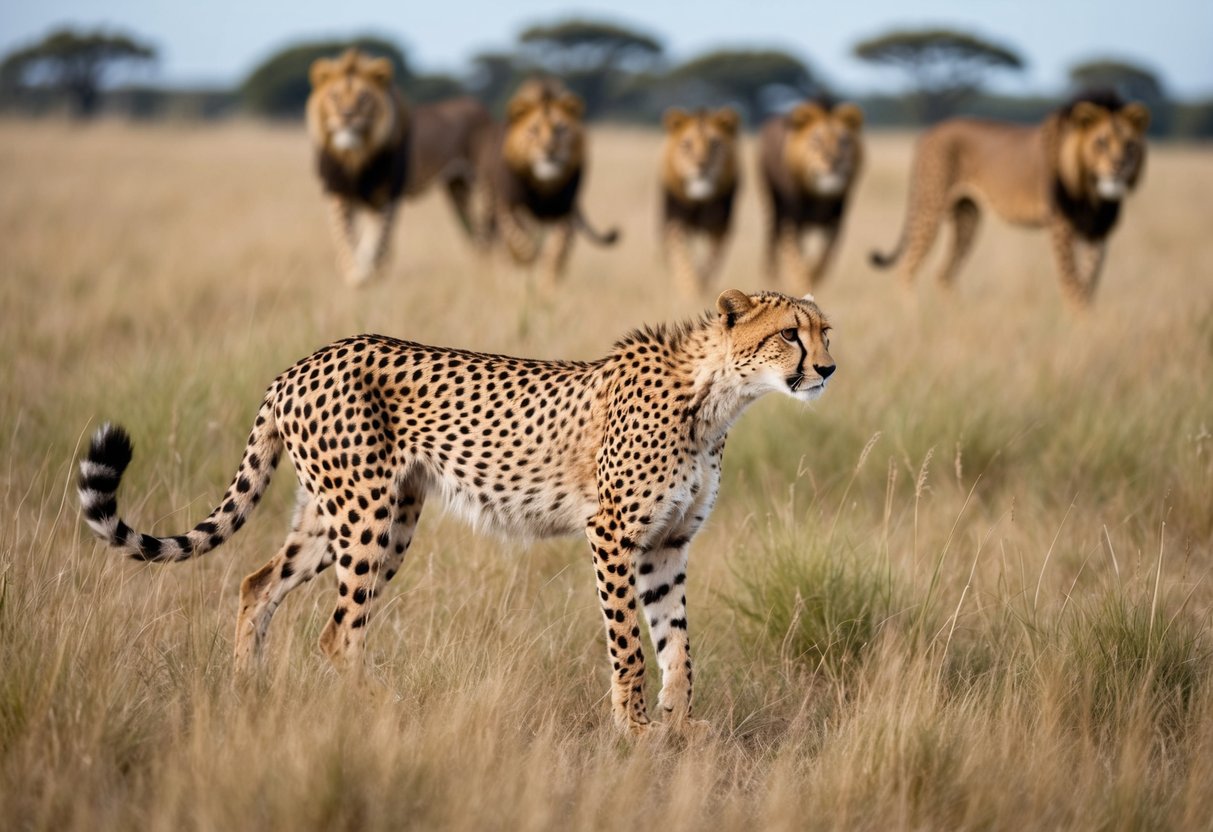
Cheetahs are remarkable creatures with unique adaptations that help them survive in the wild. Their speed and agility, along with their ability to blend into their environment, make them effective hunters and allow them to evade potential threats.
Speed and Agility
You might know that cheetahs are the fastest land animals, capable of reaching speeds up to 70 miles per hour. Their long legs and small, lightweight bodies enable them to accelerate quickly. This remarkable speed allows them to chase down prey, making them great hunters.
Cheetahs have unique adaptations like a flexible spine, which helps increase their stride length. Their large nasal passages allow for better oxygen intake during a sprint. Moreover, they can maintain high agility while running fast. This combination boosts their survival rate when hunting or escaping from larger predators.
Camouflage and Stealth
Cheetahs have distinctive spotted fur that gives them excellent camouflage in grasslands. When stalking prey, you’ll notice how they can blend seamlessly into their surroundings. This ability to hide helps them get closer to their target without being seen.
Their hunting strategy often involves stealth. Cheetahs slowly approach their prey, using their keen eyesight to spot movements from afar. Once in range, they utilize a sudden burst of speed. This method allows for an effective hunting experience, ensuring they catch their meal while minimizing detection by other predators.
Conservation and Protection Efforts
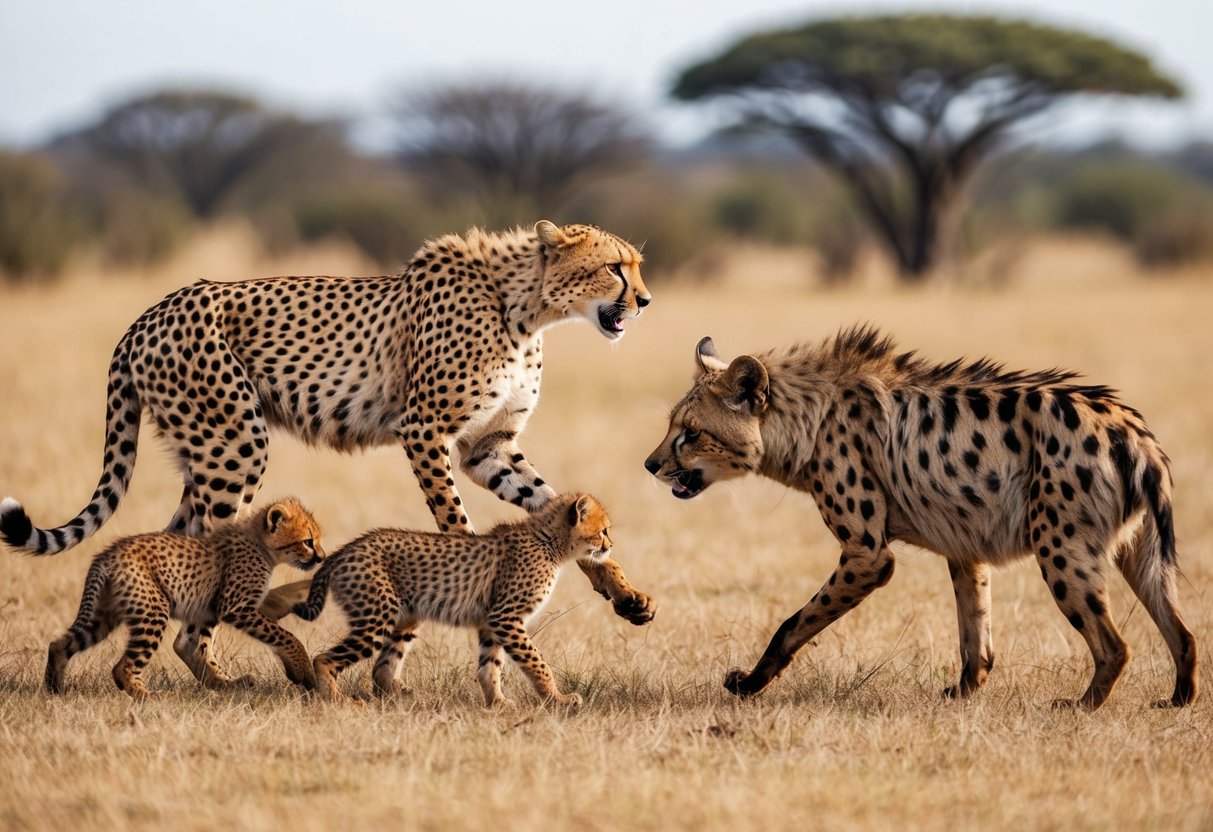
Cheetah populations are declining, which makes conservation vital for their survival. Key efforts focus on protecting their habitats and ensuring genetic diversity.
Cheetah Conservation Programs
Many organizations are dedicated to cheetah conservation. These programs often include habitat protection, anti-poaching initiatives, and plans to reduce human-wildlife conflict.
For example, some areas establish protected regions where cheetahs can thrive without the threat of poaching or habitat destruction. These programs also involve community engagement to raise awareness about protecting these beautiful animals.
Additionally, education about the importance of cheetahs in the ecosystem helps motivate local people to participate in conservation efforts. Supporting these initiatives can lead to healthier populations and safer habitats for these endangered species.
Importance of Genetic Diversity and Habitat
Genetic diversity is crucial for the health of cheetah populations. A varied gene pool helps improve resilience against diseases and environmental changes, such as climate change.
Efforts to maintain this diversity include kinship studies, which analyze relatedness among cheetah groups. Conservationists work to connect smaller populations to create a more robust gene pool.
Preserving sufficient habitat is also important. Cheetahs require large territories to hunt and raise their young.
By focusing on habitat conservation, you can help ensure that these animals have space to roam and thrive.
Protecting both genetic diversity and habitat allows cheetah populations to adapt and survive in an ever-changing world.


