
If you own a boxer, you may wonder about their exercise needs and whether they can handle long walks. Boxers are energetic and durable dogs that thrive on regular exercise, making them great companions for long walks. This breed is known for its playful nature and need for social interaction, so taking them out for extended strolls can benefit both their physical health and social skills.
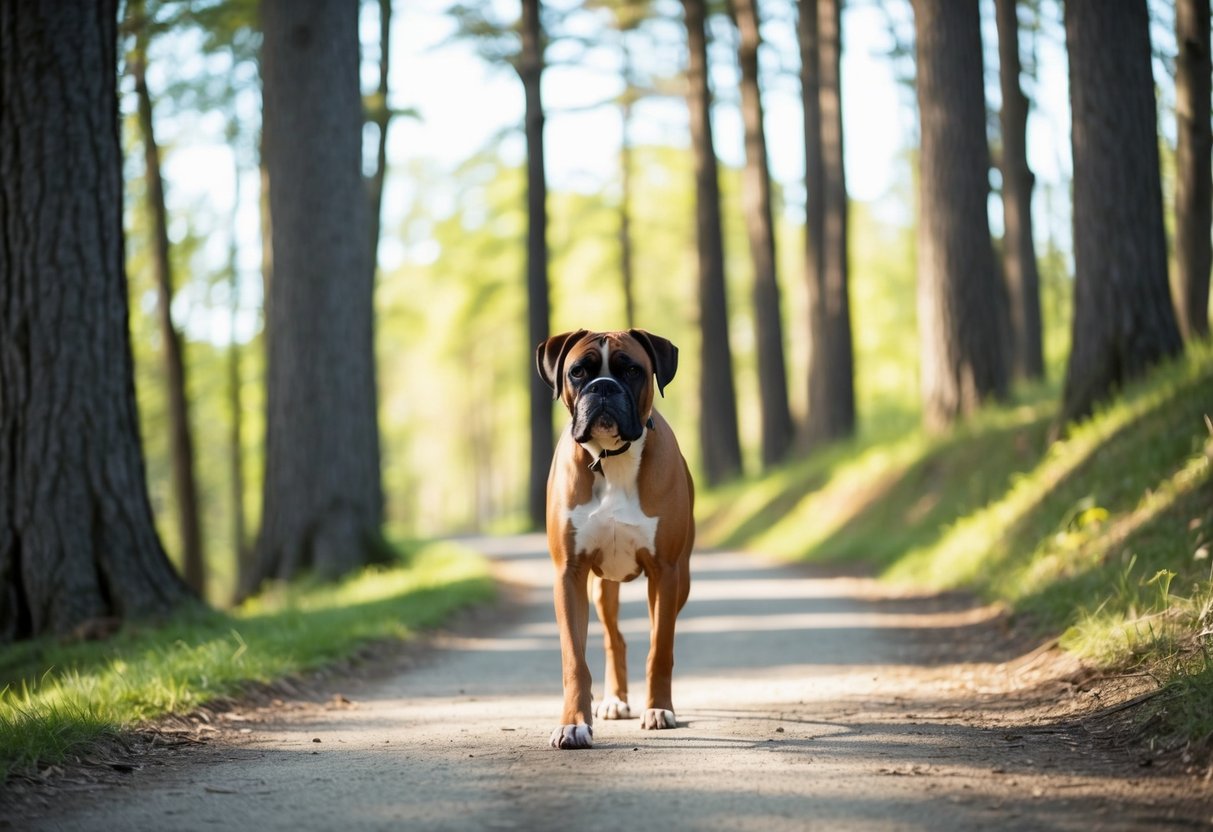
Walking not only helps keep your boxer fit, but it also offers them a chance to explore and engage with the world around them. Regular long walks can help reduce boredom and prevent behavioral issues, keeping your dog happy and well-adjusted.
As you enjoy your time outdoors together, you’ll be strengthening your bond and providing your boxer with valuable mental and physical stimulation.
Understanding Boxer Dogs’ Exercise Needs
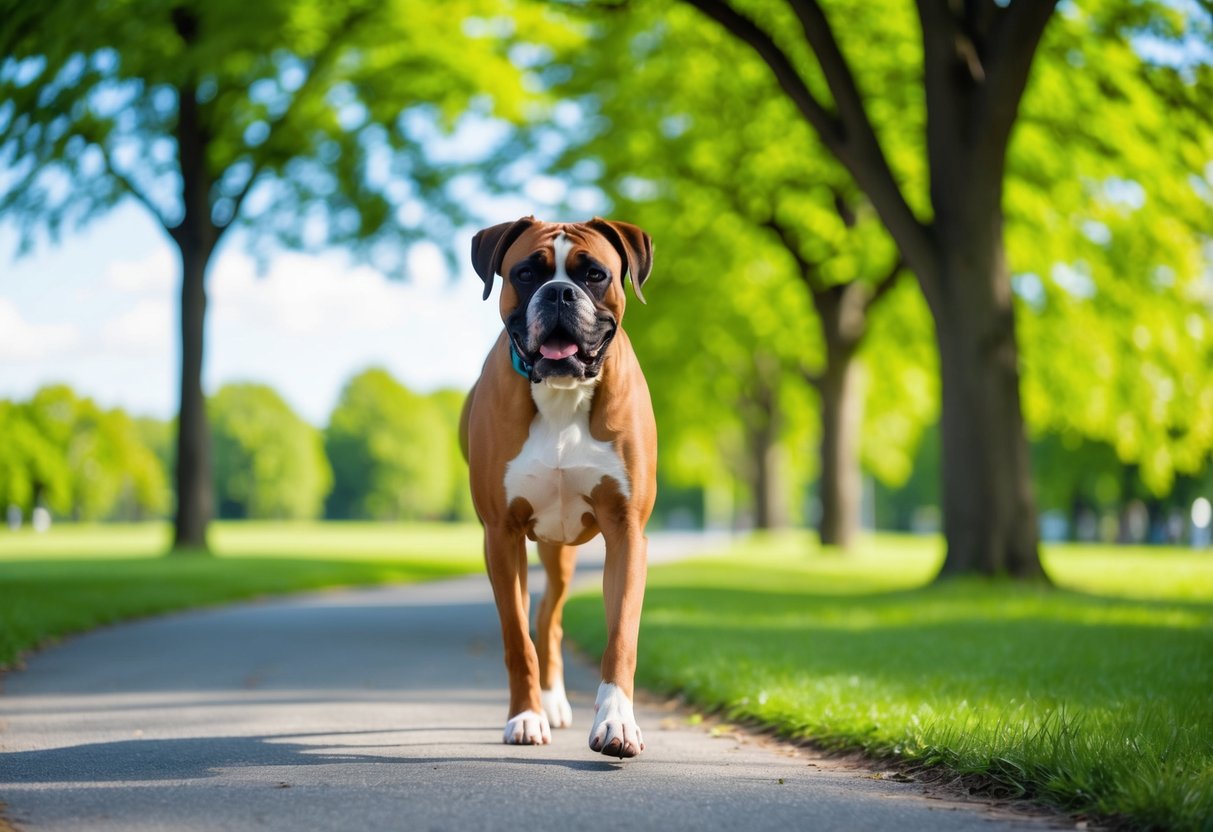
Boxer dogs are known for their high energy and playful nature. To keep them healthy and happy, it’s essential to provide them with adequate exercise, tailored to their age and energy levels.
The Importance of Exercise for Boxer Dogs
Regular exercise is crucial for your Boxer dog’s physical and mental well-being. Boxers thrive on activity because they are a working breed. They need at least one hour of energetic play each day. Engaging your Boxer in different activities can prevent boredom and reduce destructive behavior.
Walking, running, and playing fetch are great ways to help them burn off energy. The American Kennel Club advises mixing physical and mental exercises to keep your pup stimulated. Incorporate games that challenge their intelligence, such as puzzle toys, to make exercise more fun!
Distinguishing Boxer Puppies and Adult Exercise Requirements
Exercise needs vary between Boxer puppies and adult dogs. Boxer puppies require shorter and more frequent exercise sessions to safeguard their growing bodies. Aim for about 30 minutes of play each day, divided into multiple short sessions.
As they grow, gradually increase the length and intensity of exercise. Adult Boxers generally need at least two hours of exercise daily. This can be broken down into longer walks or play sessions. Always consider your dog’s individual energy levels and health to create a suitable exercise plan.
Benefits and Risks of Long Walks
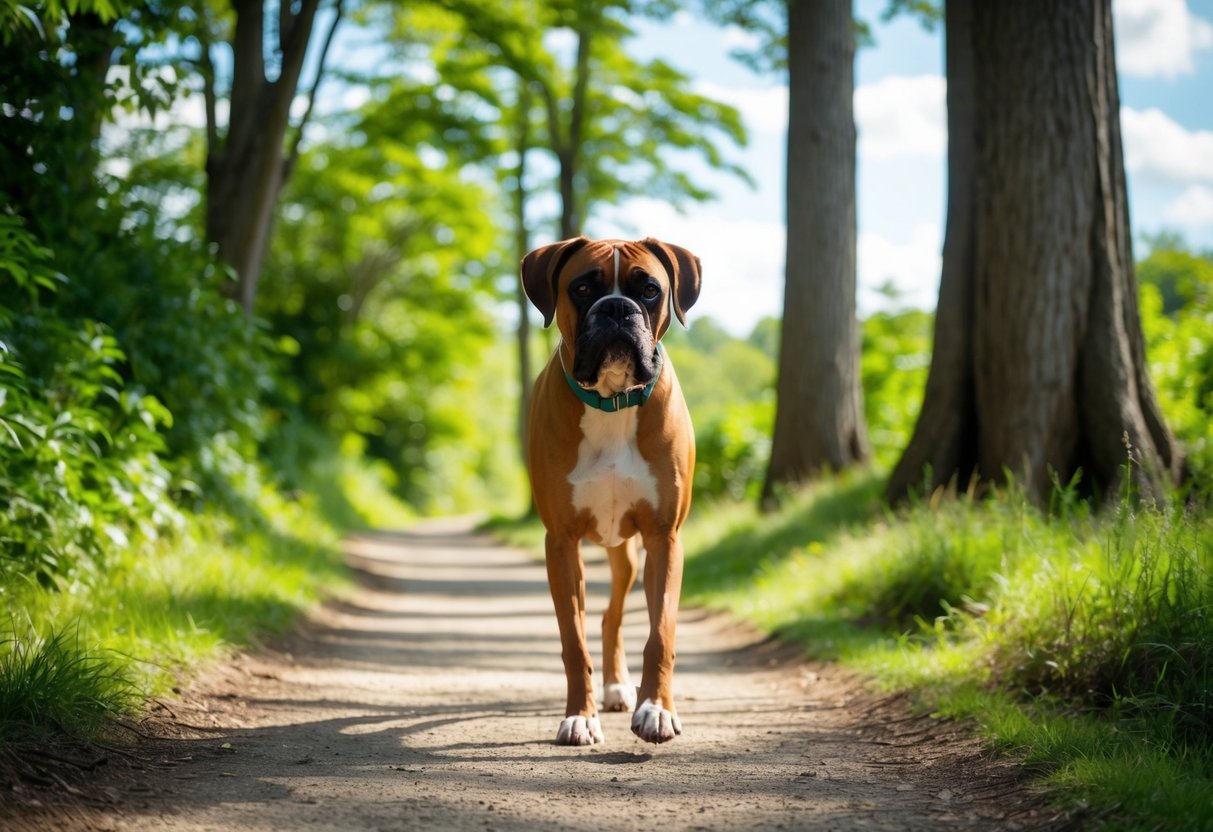
Long walks can offer many benefits for your Boxer, but there are some important risks to consider as well. Understanding these factors can help you make the best choices for your furry friend.
Long-Distance Walking Benefits for Boxers
Boxers generally thrive on exercise, and long walks can improve their physical fitness and endurance. Regular walking strengthens their muscles and helps maintain a healthy weight. This activity is essential for their overall health and can prevent obesity-related issues.
In addition to physical benefits, long walks can be mentally stimulating. Your Boxer will encounter various sights, sounds, and smells, which keep them engaged and happy. A well-exercised Boxer is often calmer at home, leading to better behavior.
Regular long-distance walking can also deepen your bond with your dog. The time spent together outdoors boosts both of your moods and fosters trust and companionship.
Potential Health Concerns for Boxers on Long Walks
While many Boxers enjoy long walks, there are health concerns to keep in mind. Boxers can overheat easily, especially in warm weather. It’s crucial to monitor your dog for signs of heat exhaustion, such as excessive panting, drooling, or lethargy.
Another concern is the risk of joint issues due to long distances on hard surfaces. Be mindful of your Boxer’s age and any pre-existing conditions. If your dog shows signs of discomfort or limping, it’s important to take breaks or seek veterinary advice.
Make sure to keep your Boxer well-hydrated during long walks. Bring water for both of you to ensure a pleasant experience.
Understanding Brachycephalic Breeds’ Limitations
If your Boxer has a brachycephalic build, they might face unique challenges. These breeds often struggle with breathing, especially during strenuous exercise. Long walks can strain their respiratory systems, making shorter, frequent walks a better option.
It’s essential to learn your dog’s limits. Pay attention to signs of fatigue or distress during walks. Take breaks in the shade and provide plenty of water.
For brachycephalic Boxers, cooler temperatures are ideal for outdoor activities. Avoid long walks during peak heat to ensure your pet stays comfortable and safe.
Proper Long Walk Preparation and Recovery for Boxers

Taking your Boxer on a long walk is a great way to bond and provide necessary exercise. It’s important to prepare properly before the walk and facilitate recovery afterward. Here are some key points to ensure your Boxer is ready and well cared for after the adventure.
Preparing a Boxer for a Long Walk
Before heading out, ensure your Boxer is ready for the journey. Start by checking the weather. On hot days, go early in the morning or later in the evening to avoid overheating.
Make sure your Boxer is comfortable with a well-fitting harness or collar and a sturdy leash. This ensures safety and allows for easy control during your walk.
A good warm-up is essential. Spend 5-10 minutes walking at a relaxed pace to get those muscles warmed up.
Hydration is crucial. Always bring water for you and your Boxer. Offer your furry friend a drink before you start and at regular breaks during the walk.
Feed your dog a light meal a few hours before the walk to avoid any stomach issues. Avoid heavy meals right before, as this can lead to discomfort.
Recovery Tips Post-Long Walks
After you’ve enjoyed your long walk, it’s time to help your Boxer recover.
Start with a cool-down period, walking slowly for about 5-10 minutes. This helps lower their heart rate gradually.
Hydration is just as important post-walk. Ensure your Boxer has plenty of fresh water to drink.
Check your Boxer’s paws for any injuries, especially if you’ve walked on rough or hot surfaces. Look for signs of wear or irritation.
A post-walk snack can help with recovery, as long as it’s light. Treats can be a great way to reward your Boxer after the effort.
Lastly, allow your Boxer some rest time. They may want to nap after an active day. Giving them a comfortable spot to relax helps them recover fully from their exercise.
Additional Exercise Alternatives
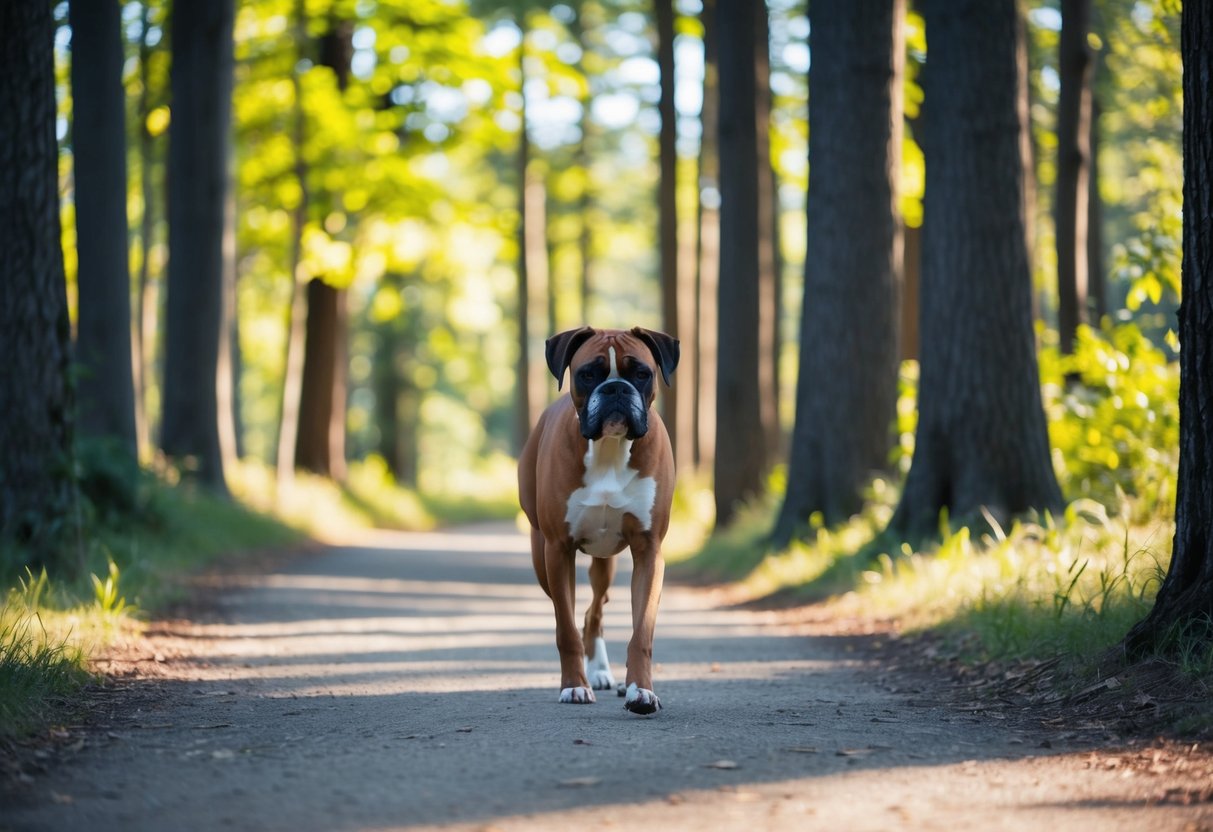
Finding the right exercise for your Boxer can be both fun and beneficial. There are several activities that can provide great alternatives to long walks, ensuring your dog stays active and happy.
Boxer-Friendly Exercise Activities
Boxers thrive on various physical activities. Consider incorporating running or jogging into your routine. These dogs have a lot of energy, so they often enjoy a good sprint. Start with shorter distances and gradually increase them.
Engaging in playtime is another great option. Bring out toys like balls or frisbees for fetch sessions. This not only keeps your Boxer physically active but also mentally stimulated.
Group activities can be very fulfilling. Look for dog parks or nearby fields where your Boxer can run off-leash. This allows them to meet new dogs and people, reinforcing their role as a friendly and active breed.
Incorporating Socialization and Training into Walks
When you’re out on walks, use this time for socialization and training. Mix commands like “sit” or “stay” throughout the walk. This helps reinforce good behavior while allowing your dog to explore their surroundings.
Encourage meeting other dogs and people during your outings. This reinforces positive social experiences and helps your Boxer become a well-adjusted canine.
You can also integrate training by setting up small agility courses. Do this in your yard or at a local park. This activity keeps things exciting and engages your Boxer’s mind while giving them the physical exercise they crave.


