
You’ve probably heard people say that bees die after they sting you. Well, that’s not always true. It really depends on the type of bee.
Honeybees die because their barbed stingers get stuck in your skin and tear away from their bodies when they try to fly off.
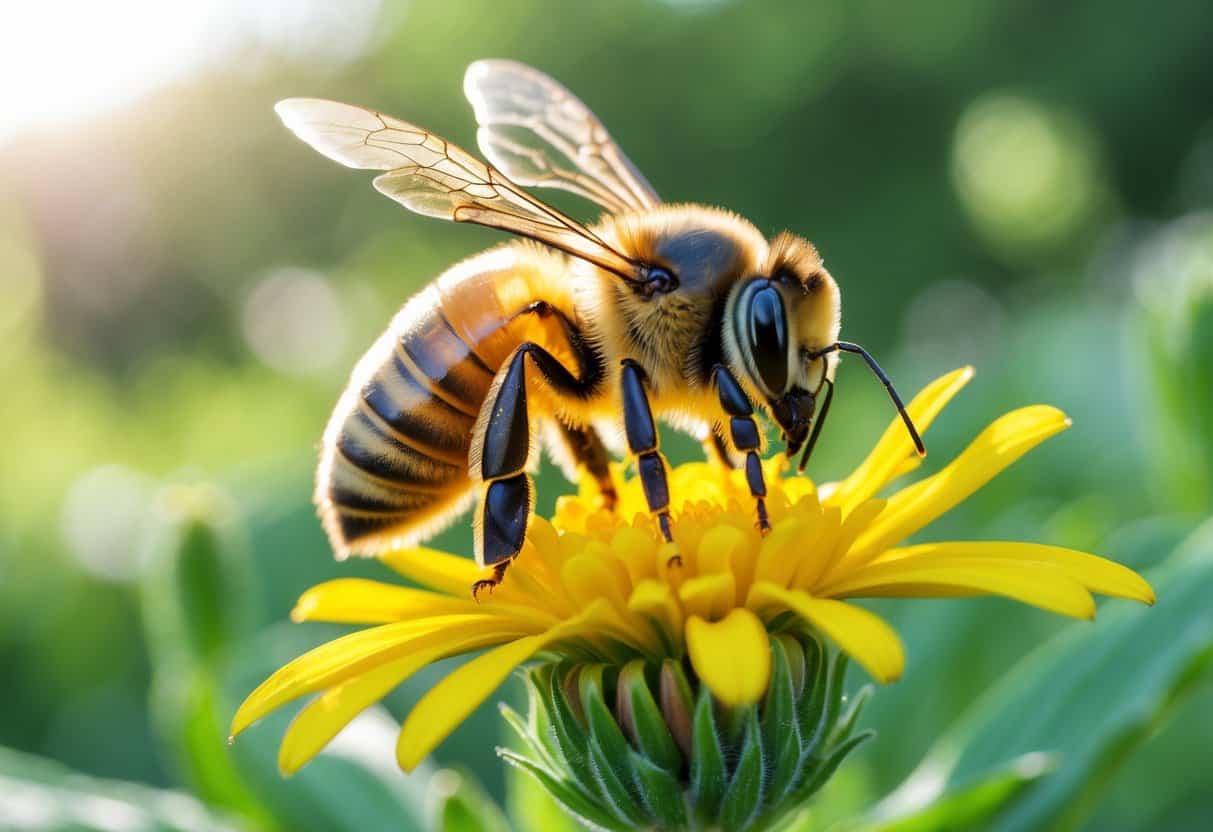
Other bees, like bumblebees, wasps, and hornets, have smooth stingers. They can sting you more than once and don’t die from it.
Honestly, knowing this makes bees a bit more interesting, right? Let’s dig into why bees sting and what actually happens to them afterward.
What Happens to Bees When They Sting You?

When a bee stings, both its body and stinger work in a pretty unique way. Some bees lose their stingers and die, while others just keep going.
It all comes down to the shape of the stinger and the bee species.
Stinger Structure and Function
Bee stingers look like tiny hooks or needles. In honeybees, the stinger has little barbs—think of them as backward-facing hooks.
When a honeybee stings, those barbs get stuck in your skin. The stinger connects right to the bee’s venom sac.
As the bee tries to fly away, the barbed stinger stays behind. The bee ends up tearing part of its body off.
This kills the honeybee not long after. The stinger left in your skin keeps pumping venom for a bit.
Hornets and wasps have smooth stingers. They just pull their stingers out and can sting again without hurting themselves.
Why Some Bees Die After Stinging
Honeybees die after stinging because their barbed stingers get stuck in thick skin. When they pull away, the stinger and venom sac stay behind.
This rips out muscles and nerves, which is fatal for the bee. The barbed stinger helps protect the hive by delivering more venom, but it costs the bee its life.
Bees with smooth stingers don’t have this issue. They sting, pull out, and can do it again.
That difference explains why not all bees die after stinging.
Differences Among Bee Species
Different bee species have their own stinger designs and social habits. Honeybees live in big colonies and have barbed stingers, so they die to defend the group.
Bumblebees have smooth stingers. They can sting more than once and usually survive.
Bumblebees live in smaller colonies and don’t need to sacrifice themselves like honeybees.
Solitary bees, wasps, and hornets also have smooth stingers. They defend themselves or their nests and can sting again and again.
| Bee Type | Stinger Type | Can Sting Multiple Times? | Dies After Stinging? |
|---|---|---|---|
| Honeybee | Barbed | No | Yes |
| Bumblebee | Smooth | Yes | No |
| Wasp/Hornet | Smooth | Yes | No |
It’s kind of wild how much stinger design changes things for different bees.
Bee Sting Effects and Aftermath

When a honeybee stings, a few things happen right away. The bee loses its stinger and venom sac, which means it won’t live much longer.
For you, the sting releases venom that causes pain and swelling. Sometimes, it can even trigger a serious allergic reaction.
Bees also release chemicals that warn other bees nearby.
Timeline of Bee Survival Post-Sting
After a honeybee stings, its barbed stinger gets stuck in your skin. The bee can’t pull it out without injury.
When the bee flies away, it leaves the stinger and venom sac behind. This rips open the bee’s abdomen.
The bee usually lives just a few minutes to maybe an hour or two after stinging. It dies from fluid loss and organ damage.
Wasps and other bees with smooth stingers don’t have this problem. They can sting again and again.
Venom Delivery and Human Reactions
The venom sac attached to the stinger keeps pumping venom into your skin, even after the bee is gone.
This venom contains melittin, which causes pain and swelling. You’ll probably feel a sharp sting, then redness and itching.
Some people have mild reactions, but others can get anaphylaxis—a severe allergic reaction. If you notice trouble breathing, swelling in your face or throat, or dizziness, get medical help right away.
The Role of Alarm Pheromones
When a bee stings, it releases alarm pheromones right away. These chemicals warn other bees nearby about danger.
Honestly, the pheromones smell a bit like bananas. They can make other bees act more aggressively.
That’s why you might get stung again after the first sting, especially if you’re close to a hive. Beekeepers usually wear protective gear to avoid setting off these alarm signals and, of course, to keep themselves safe around bees.


