
American Bulldogs can be great companions and make loyal family pets. Many American Bulldogs can live peacefully with other dogs with proper training and socialization. Understanding their temperament is key to ensuring good interactions with other pets.
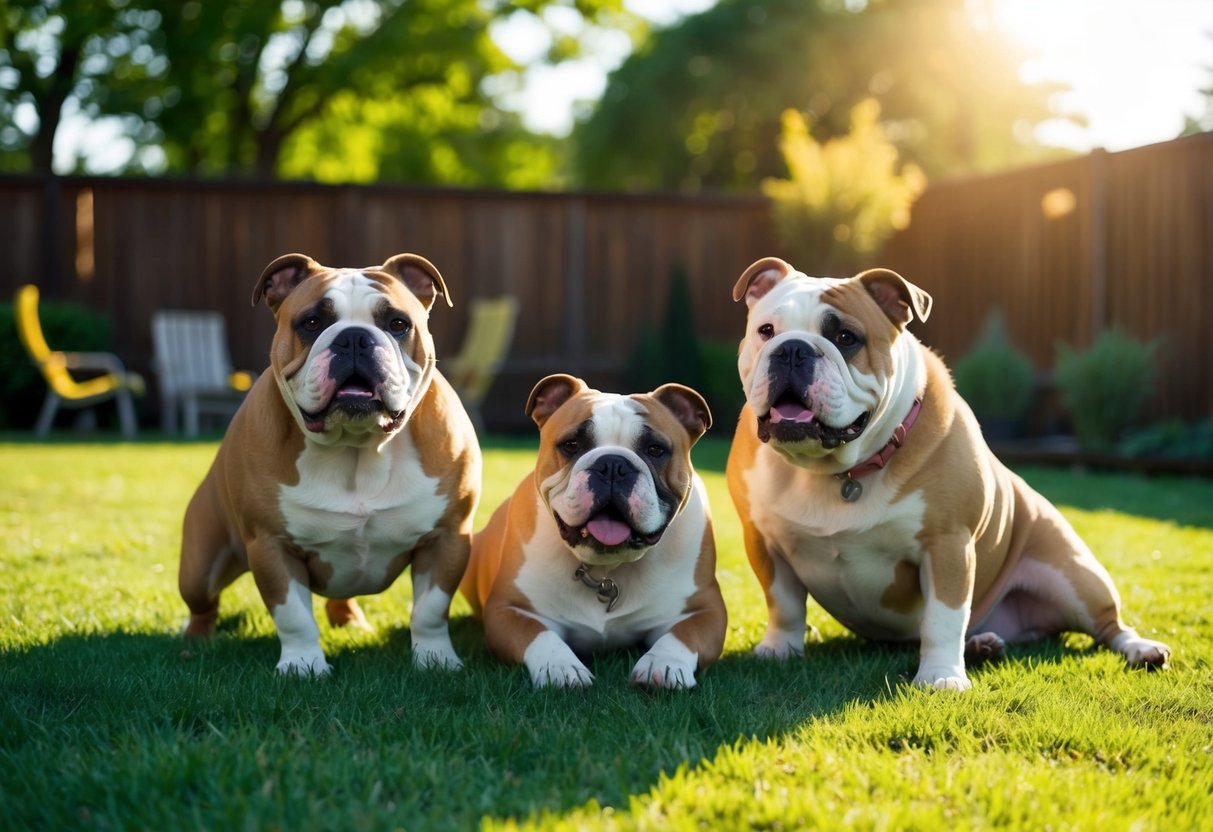
Introducing your American Bulldog to other dogs requires patience and care. Some may show a friendly nature, while others might be more assertive. It’s important to supervise their play and gradually get them used to one another for a successful companionship.
If you’re considering adding another dog to your household, you’ll want to be prepared. Successful introductions and ongoing training can help create a harmonious environment where your American Bulldog and other dogs coexist happily.
American Bulldog Characteristics
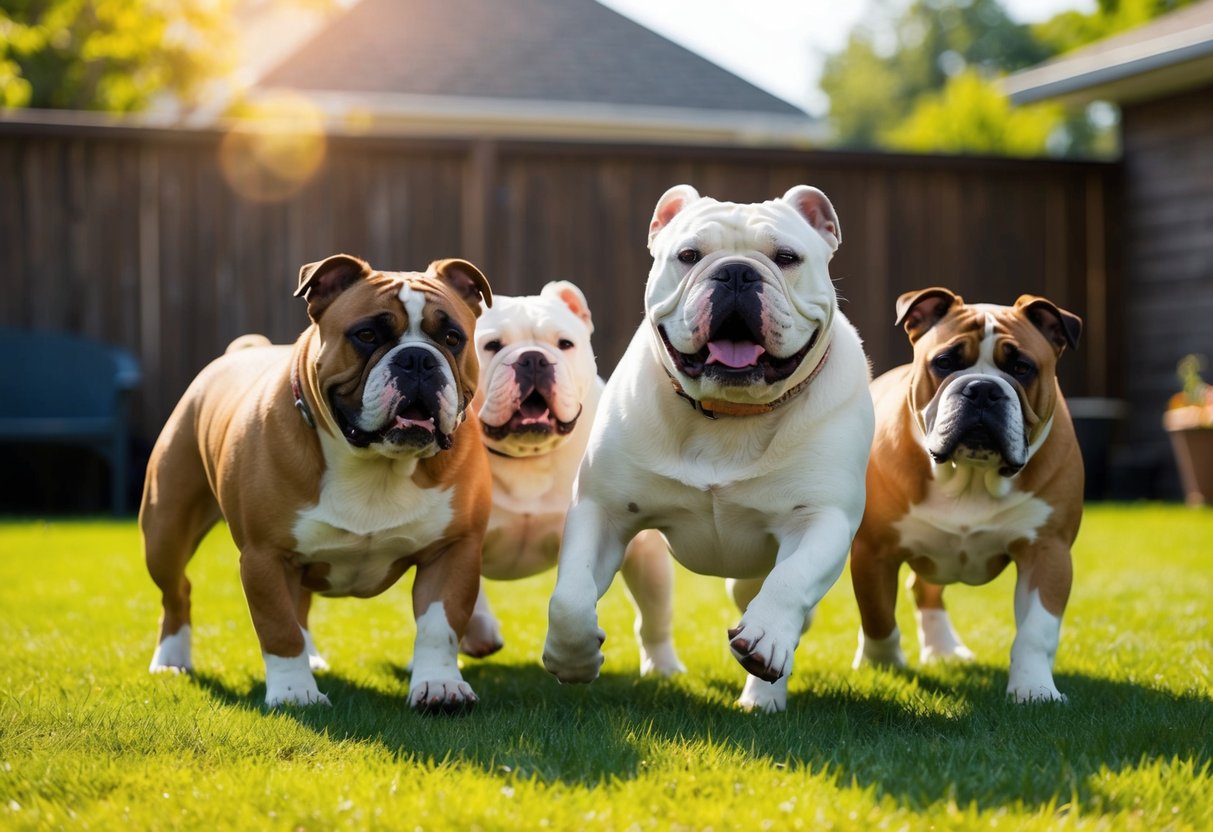
American Bulldogs are known for their strong build and friendly nature. Understanding their physical properties, temperament, and history can help you better appreciate these loyal companions.
Physical Properties
American Bulldogs are medium to large dogs, with males typically weighing between 70 to 120 pounds and females ranging from 60 to 100 pounds. They have a muscular body, wide head, and strong jaws. Their coat is short and can be found in various colors, including white, brindle, and fawn.
This breed is known for its agility and strength, making them great for various activities. They usually live between 10 to 12 years. While they can be prone to some health issues, responsible breeding practices can minimize these risks. Regular vet check-ups are a must to keep your bulldog healthy and happy.
Temperament and Personality
American Bulldogs have a friendly and confident temperament. They are known for their loyalty and protective nature, making them great family pets. With proper socialization, they can get along well with kids and other dogs.
While they can exhibit a strong prey drive, early training helps manage this behavior. They are intelligent dogs, which makes them highly trainable. Using positive reinforcement techniques is effective in teaching them commands and good behavior.
It’s essential to provide them with mental and physical stimulation, as boredom can lead to destructive behavior. They thrive on human interaction and typically form strong bonds with their families.
Breed History and Roles
Historically, American Bulldogs were bred for farm work, including hunting and guarding livestock. They were utility dogs known for their strength and endurance.
Their history of being working dogs means they often take on protective roles in the home. Understanding this background helps you appreciate their instincts. While they have a strong desire to protect, they also possess a gentle side, especially with those they know well.
Knowing their background can inform your training methods and help create a trusting environment. This breed’s rich history makes them unique companions in any household.
Socialization and Training

Creating a positive environment for your American Bulldog with other dogs starts with effective socialization and training. These elements are crucial in building strong, friendly relationships and ensuring your dog feels comfortable in different situations.
Importance of Early Socialization
Early socialization is key for your American Bulldog. Introduce your puppy to various environments, people, and other animals. This exposure helps them learn how to interact positively.
Aim for experiences that are fun and safe. Arrange playdates with other well-behaved dogs. It’s important that these encounters are positive, so reward your dog for calm behavior with treats or praise.
Starting this process early can prevent future behavioral issues. A well-socialized dog is more likely to be confident and friendly. This foundation will make a big difference when they meet new dogs later in life.
Obedience and Mental Stimulation
Training your American Bulldog in basic obedience is essential. Commands like “sit,” “stay,” and “come” establish a framework for good behavior. Consistent training sessions can enhance your dog’s discipline.
Use positive reinforcement techniques, rewarding good behavior to encourage repetition. Engaging your dog with tasks can provide the mental stimulation they need. When dogs are mentally fulfilled, they are less likely to develop behavioral problems.
Try puzzle toys or training exercises that challenge their minds. This can reduce boredom and maintain a calm demeanor, especially around other pets.
Training for Multi-Pet Households
If you have multiple pets, training becomes even more crucial. Start by teaching your American Bulldog to coexist peacefully with other animals. Introduce them slowly in a controlled environment.
Use gradual introductions to avoid overwhelming them. Monitor their interactions and intervene if necessary. Reinforce positive behavior with treats and praise.
Be patient, as it may take time for them to adjust. Consistency is important, so keep training sessions regular. With the right approach, your American Bulldog can thrive in a multi-pet home and build positive relationships with everyone.
Introducing American Bulldogs to Other Dogs

When bringing an American Bulldog into a home with other dogs, careful planning is essential. Proper introductions can help pave the way for peaceful coexistence. Below are some key strategies to help you in this process.
Creating a Controlled Environment
Start by creating a controlled environment for the introduction. This means choosing a neutral space where neither dog feels territorial. Use a quiet area with minimal distractions. Keep both dogs on leashes during the initial meeting. This allows you to manage their interactions better.
Ensure that both dogs have room to move without feeling cramped. A larger space will help reduce stress levels. Have treats handy to reward positive behavior. Make sure to monitor their body language closely for any signs of discomfort or aggression.
Careful Introductions
Introduce the dogs slowly to build comfort. Begin with short, supervised meetings before extending them. Allow them to observe each other from a distance. You can gradually decrease the space between them.
Use positive reinforcement, like treats or praise, when they behave well together. This helps create a positive association with each other’s presence. If one dog shows dominant behavior, redirect their attention to you. Always stay calm and patient.
Take your time with this process. Rushing can lead to negative experiences that affect future interactions. Planning carefully ensures you encourage friendly behavior between the dogs.
Ongoing Supervision and Management
Ongoing supervision is important as your American Bulldog gets used to other dogs. Always keep an eye on their interactions, especially during play. American Bulldogs can exhibit dominant behavior, so watch for any signs of aggression.
Use management tools like baby gates to separate them when unsupervised. This helps keep everyone safe during the adjustment period. Regularly assess their interactions and adapt your approach as needed.
If problems arise, consider seeking help from a professional trainer. Addressing issues early can help ensure a harmonious environment for all your pets. Regular socialization and positive experiences are key to maintaining peace. This approach leads to better compatibility with other dogs over time.
Health and Care Considerations
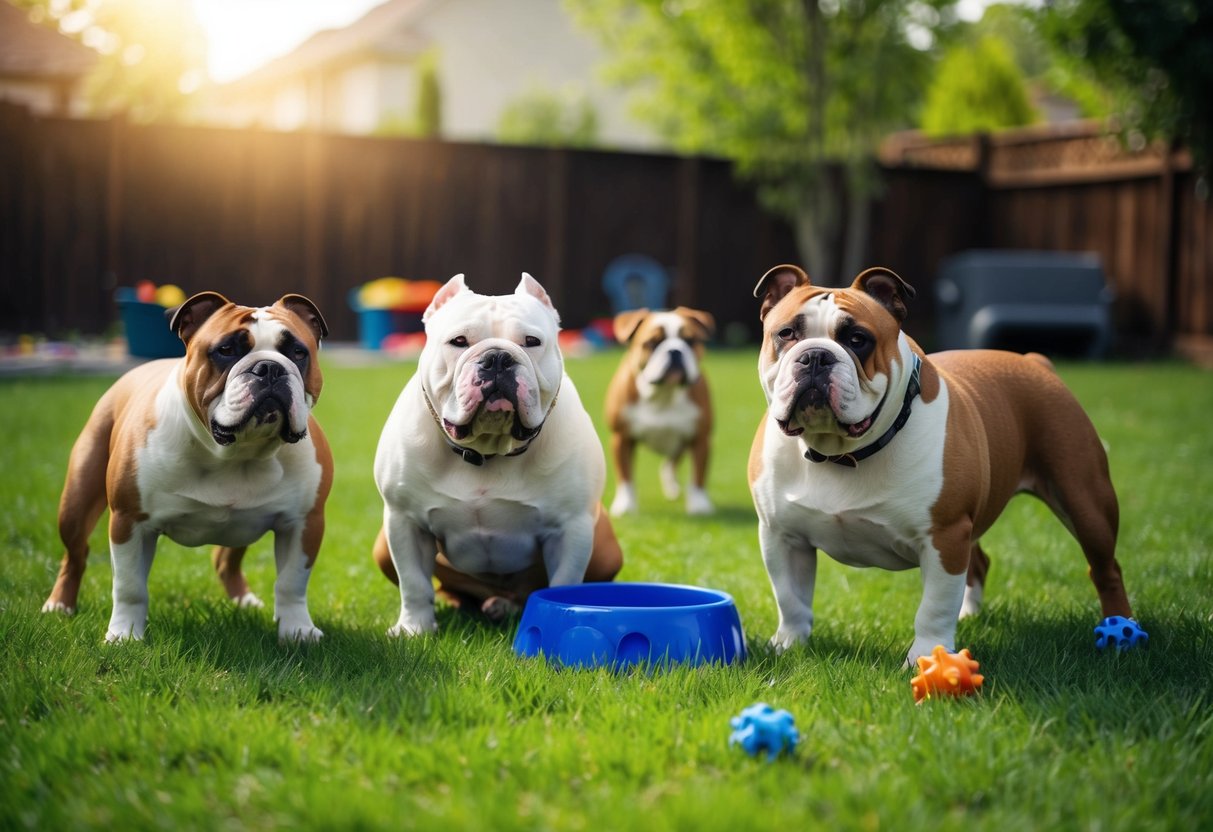
Taking care of your American Bulldog involves meeting their specific health and care needs. Understanding exercise requirements, grooming habits, and common health concerns can help your dog live a happy and healthy life.
Exercise and Activity Needs
American Bulldogs are energetic dogs that require regular exercise to stay fit and happy. Aim for at least 60 minutes of physical activity each day.
Walks, playtime, and engaging games like fetch will help burn off their energy. Consider activities that promote mental stimulation, such as obedience training or puzzle toys.
Without enough exercise, your Bulldog might exhibit behavioral issues like chewing or barking. Make sure to mix up their routine to keep them interested.
Managing Shedding and Grooming
American Bulldogs have short coats, which means they don’t shed excessively. Still, they will benefit from regular grooming to keep their skin healthy.
Brush your Bulldog weekly to remove loose hair and dirt. Use a firm bristle brush to help distribute natural oils, which keeps their coat shiny.
During seasonal changes, you may notice increased shedding. Bathing your dog every few months can help control odor and maintain a clean coat. Regular grooming is key to their overall care.
Common Health Concerns and Prevention
American Bulldogs are prone to specific health issues, so knowing these can help you keep your pet healthy.
Common concerns include hip dysplasia, allergies, and skin conditions.
Choose a reputable breeder who screens for genetic health issues to lower the risk. Regular vet check-ups can catch any problems early.
Maintaining a healthy diet and weight also plays an important role in preventing health issues.
Obesity can lead to joint problems and other health concerns.
Provide a balanced diet and regular exercise to keep your American Bulldog fit and healthy.


