
Raccoons are often seen as cute and curious creatures, but you might wonder, can they harm you? While raccoons can pose risks, such as biting or scratching, serious attacks on humans are rare. It’s essential to understand their behavior and the potential dangers they can bring, especially if you encounter them in your backyard or nearby areas.

As urban areas expand, raccoons are adapting to human environments, and this can lead to unexpected interactions. They might be more likely to scavenge around your home, especially if there is food readily available.
Knowing how to protect yourself and your pets from raccoons can help you enjoy your outdoor space safely while respecting these fascinating animals.
Throughout this article, you’ll learn about when raccoons become aggressive and what steps you can take to avoid conflicts. Understanding their nature will not only keep you safe but will also help you appreciate the role they play in our ecosystem.
Understanding Raccoon Behavior and Risks

Raccoons are curious creatures, but their behavior can sometimes pose risks to humans and pets. Understanding their aggression, the diseases they carry, and how they interact with people can help you stay safe.
The Nature of Raccoon Aggression
Raccoons can display aggressive behavior, especially when they feel threatened or cornered. Their natural instincts lead them to defend themselves vigorously. It’s important to keep your distance if you encounter a raccoon.
When raccoons are active during the day, this could indicate illness. Sick raccoons are more likely to act aggressively. If you see one behaving strangely, it’s best to avoid close contact and report it to animal control.
Diseases Carried by Raccoons
Raccoons are known carriers of several diseases that can affect humans and pets. One of the most significant concerns is rabies, which is transmitted through bites or scratches. This virus can be deadly if not treated quickly.
Additionally, raccoons can carry parasites like roundworms. These can spread to pets or even humans through contact with raccoon feces. It’s essential to ensure your pets are treated for parasites and avoid areas where raccoons might have been.
Interactions with Humans and Pets
Raccoons often search for food in urban areas, leading to many encounters with people. They may rummage through trash or try to access pet food left outside. Securing trash cans can help prevent these close interactions.
If you have pets, it’s crucial to supervise them, especially at night. Raccoons can become aggressive if they feel their territory is threatened. Keeping your pets safe from wildlife interactions is important for their well-being.
Health Concerns and Transmission
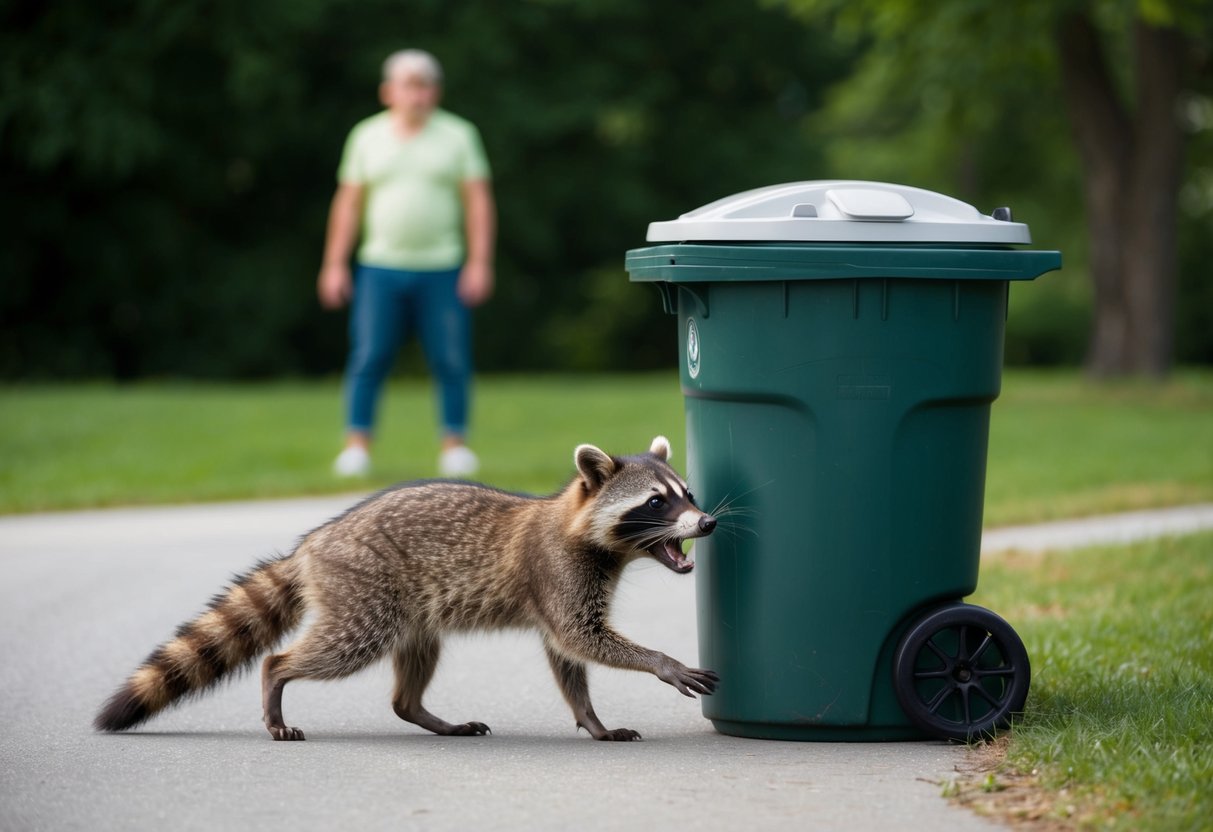
Raccoons can pose several health risks to humans. Understanding the diseases they carry and how they spread is important for your safety and well-being.
Rabies and Its Dangers
Rabies is a serious disease that raccoons can spread. If a raccoon bites or scratches you, the saliva may carry the rabies virus into your body. This is why it’s essential to seek medical attention immediately.
Without treatment, rabies can lead to severe health issues and is often fatal. The symptoms may include fever, weakness, and confusion. Once the virus reaches the brain, it can cause paralysis and death. You should always be cautious around raccoons, especially if they appear sick or unusually aggressive.
Other Illnesses Transmitted by Raccoons
Raccoons are known to carry a variety of illnesses. Some of these include:
- Leptospirosis: This bacterial infection can be transmitted through contact with raccoon urine.
- Salmonella: Found in raccoon feces, this bacteria can cause gastrointestinal issues.
- Giardiasis: This parasite can lead to diarrhea and stomach pain if transmitted from contaminated sources.
These diseases can affect your health and that of your pets. Always take proper precautions when dealing with raccoons and consider keeping a safe distance.
Risks From Raccoon Feces
Raccoon feces contain parasites, such as the raccoon roundworm. Exposure to these feces can lead to serious health problems.
You might come into contact with these eggs from the ground or other surfaces. The roundworm can affect the central nervous system and lead to complications.
To minimize risks, wear gloves when gardening or cleaning areas where raccoons might have been. Always wash your hands thoroughly afterward.
Preventing and Handling Raccoon Encounters
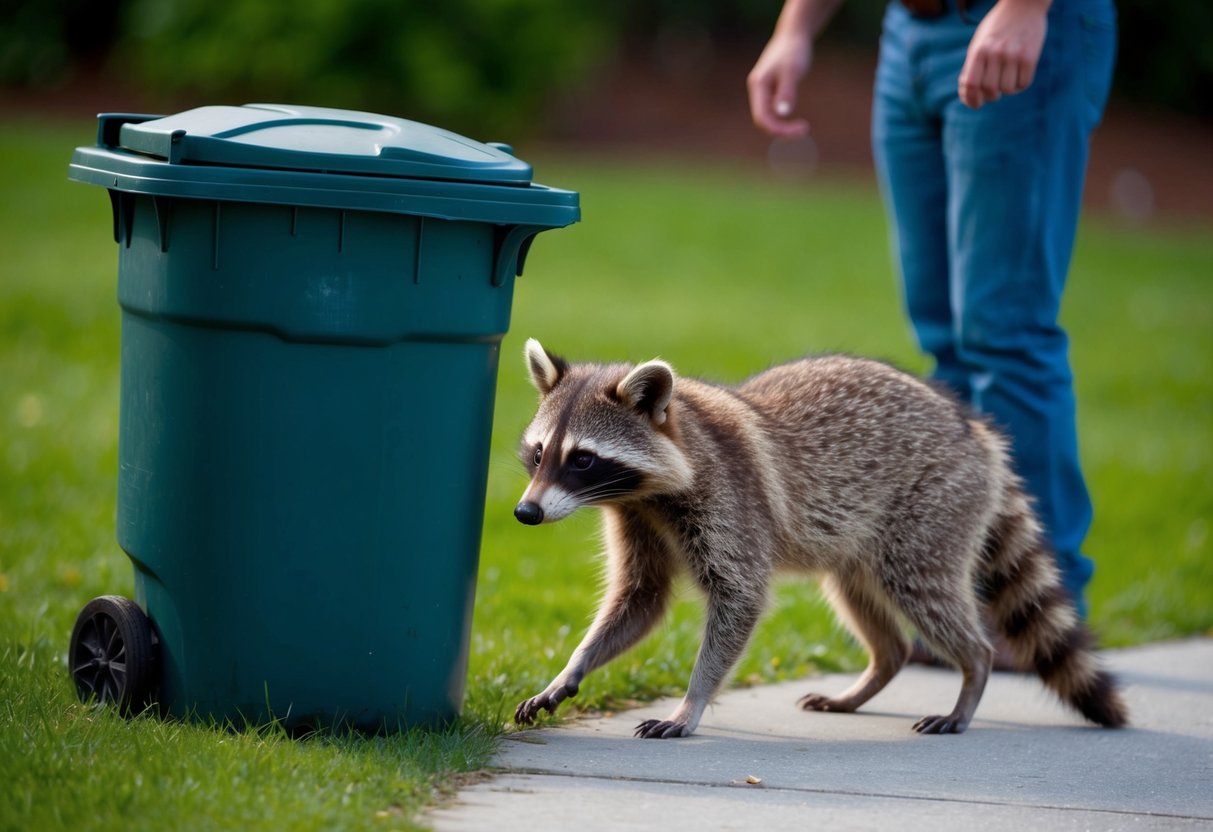
When it comes to raccoons, knowing how to prevent encounters and handle them safely is essential. With the right steps, you can minimize the chances of an unwanted meeting.
Safeguarding Your Home and Yard
To keep raccoons away, start by securing your trash cans. Use tight-fitting lids to prevent them from finding food scraps. Clean up any spilled food outside your home, including pet food, as this can attract them.
Block any potential entry points to your home. Check areas like the chimney, vents, and gaps in your roof or walls. Raccoons can squeeze through small spaces, so it’s crucial to seal these areas properly.
Consider using motion-activated lights or sprinklers to deter raccoons. These gadgets can startle them and send them running. Adding natural repellents, like cayenne pepper or vinegar, can also make your yard less inviting.
What to Do During a Raccoon Encounter
If a raccoon approaches you, stay calm. Avoid sudden movements that might scare the animal. With your cool demeanor, you can prevent it from feeling threatened.
Maintain a safe distance from the raccoon at all times. If it shows signs of aggression or gets too close, slowly back away. Running may trigger a chase, as raccoons are surprisingly fast.
If a raccoon does attack, seek medical attention immediately. Raccoons can carry rabies and other diseases. Your health is always a priority, so don’t take any chances.
Professional Raccoon Removal and Control
If you notice signs of a raccoon infestation, contact pest control and raccoon removal services. Professionals can help assess the situation safely. They will have tools and techniques to remove these animals without causing harm.
When dealing with raccoons, prioritize humane methods. Professionals can handle the job effectively, whether through trapping or exclusion.
Regular inspections of your property can help prevent issues in the future. Stay informed about local wildlife and follow guidelines to keep your home raccoon-free.


