
When you think about your dog encountering a raccoon, you might worry about what could happen. Raccoons are known for being curious and sometimes aggressive, especially if they feel threatened. In most cases, a raccoon does not have the strength or skills to physically overpower a dog, but that doesn’t mean they won’t fight back if they are cornered.
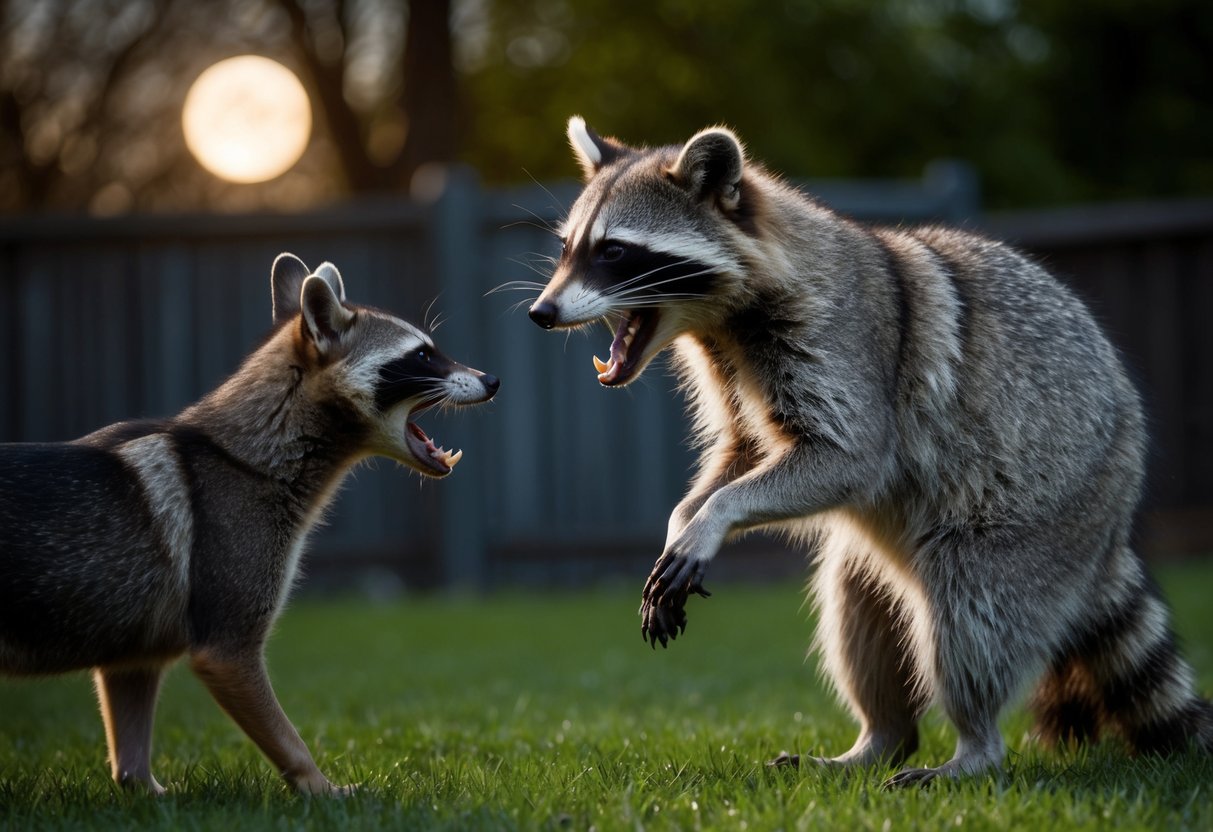
It’s essential to remember that raccoons can scratch or bite when provoked, which can lead to serious health risks for your dog, including the possibility of rabies. This situation can become dangerous very quickly, so it’s best to keep a close eye on your pets when they are outside in areas where raccoons roam.
Much of the outcome depends on the size and temperament of your dog, as well as the situation between the two animals. Understanding the behavior of both raccoons and dogs will help you keep your furry friend safe and sound.
Understanding Raccoon and Dog Encounters
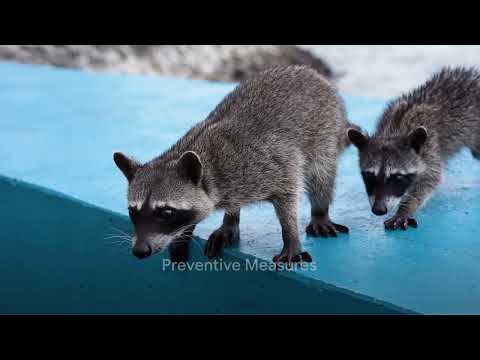
When dogs encounter raccoons, their behaviors and instincts play a crucial role in how the interaction unfolds. Knowing how to handle these encounters can help keep your dog safe and reduce the risk of conflict. Here’s what you need to know about both animals.
Raccoon Behavior
Raccoons are known for their curiosity and adaptability. They often venture out at night, searching for food and staying away from larger predators.
- Territorial: Raccoons will defend their territory if they feel threatened.
- Disease Carriers: They can carry diseases like rabies that pose risks to your dog.
- Avoidance: Typically, raccoons avoid confrontation with larger animals, including dogs.
If a raccoon feels cornered, it may act defensively. If your dog approaches a raccoon, it’s essential to intervene quickly to prevent escalation.
Practice caution during walks, especially at night, and always keep your dog leashed in areas known for raccoon activity.
Dog Behavior and Vulnerability
Dogs can react differently when they see a raccoon. Their natural instincts often drive them to investigate or chase.
- Instincts: Many dogs may see raccoons as prey, which can lead to aggressive encounters.
- Size Matters: Small dogs are at higher risk during these encounters. A raccoon may feel threatened and attack if it feels cornered.
- Supervision is Key: Always supervise your dog when outside, especially in areas where raccoons are common.
Promptly addressing any aggressive behavior can help keep your dog safe. If an encounter occurs, it’s crucial to stay calm and guide your dog away from the situation to avoid injury.
Health Risks and Disease Transmission
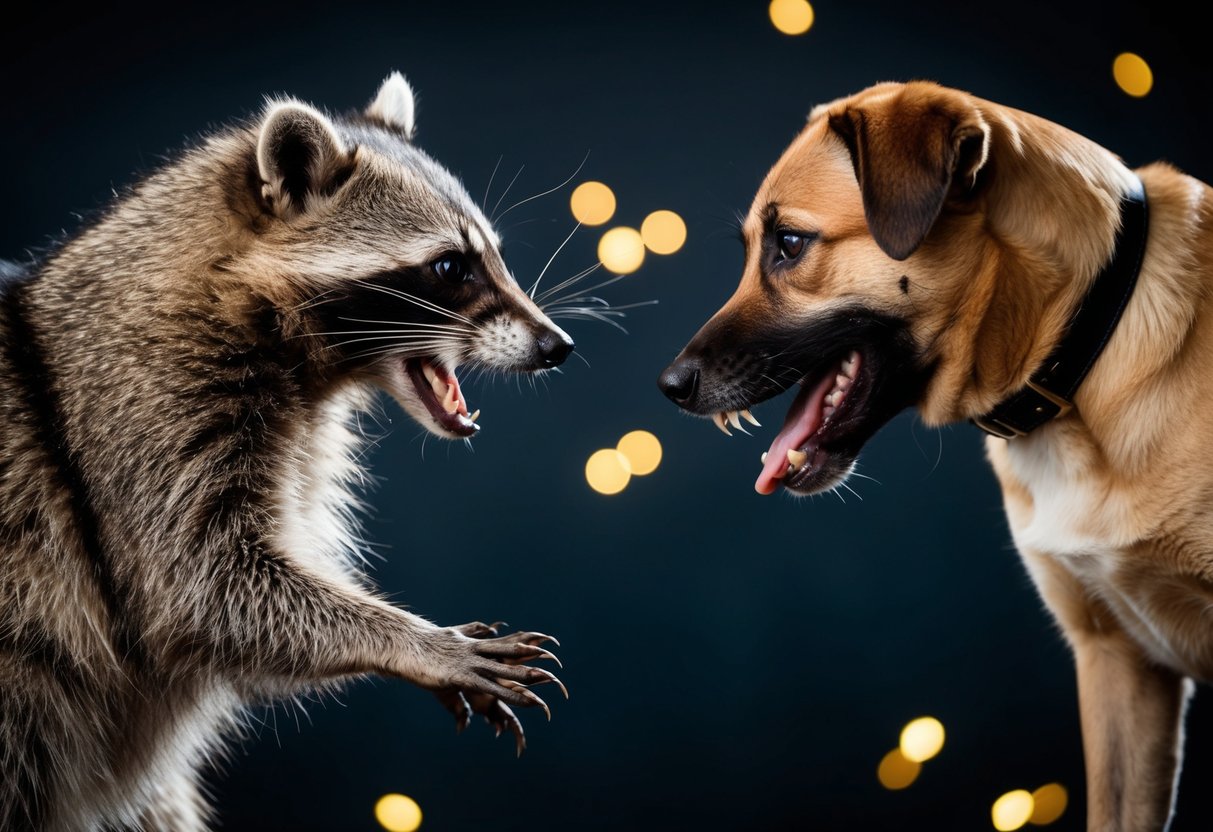
When your dog encounters a raccoon, there are important health risks to consider. Raccoons can carry diseases that may potentially affect your pet. Understanding these risks helps you keep your dog safe and healthy.
Rabies and Vaccination
Rabies is one of the most serious diseases that raccoons can spread. If a raccoon bites your dog, there is a risk of rabies transmission. Rabies is a viral infection that affects the nervous system and can be fatal.
To protect your dog, ensure they are vaccinated against rabies. Regular vaccinations are essential and are often required by law. If your dog has been bitten, seek veterinary help immediately. The vet may recommend treatment or additional vaccinations.
Keep in mind that raccoons are nocturnal animals, which means they are more active at night. Supervise your dog during evening walks to minimize the risk of encounters with raccoons.
Roundworm: Baylisascaris Procyonis
Another health concern is Baylisascaris procyonis, a roundworm carried by raccoons. This parasite can be found in raccoon feces and can cause serious health issues in dogs if ingested.
Dogs that eat contaminated feces or infected animals can become hosts for these worms. Symptoms may include vomiting, diarrhea, and lethargy. In severe cases, the infection can cause neurological problems.
Preventing exposure to raccoon feces is crucial. Avoid letting your dog roam freely in areas where raccoons are known to live. Regularly cleaning your yard and promptly disposing of waste can also help keep your pet safe from this parasite.
Wildlife Management and Pet Safety
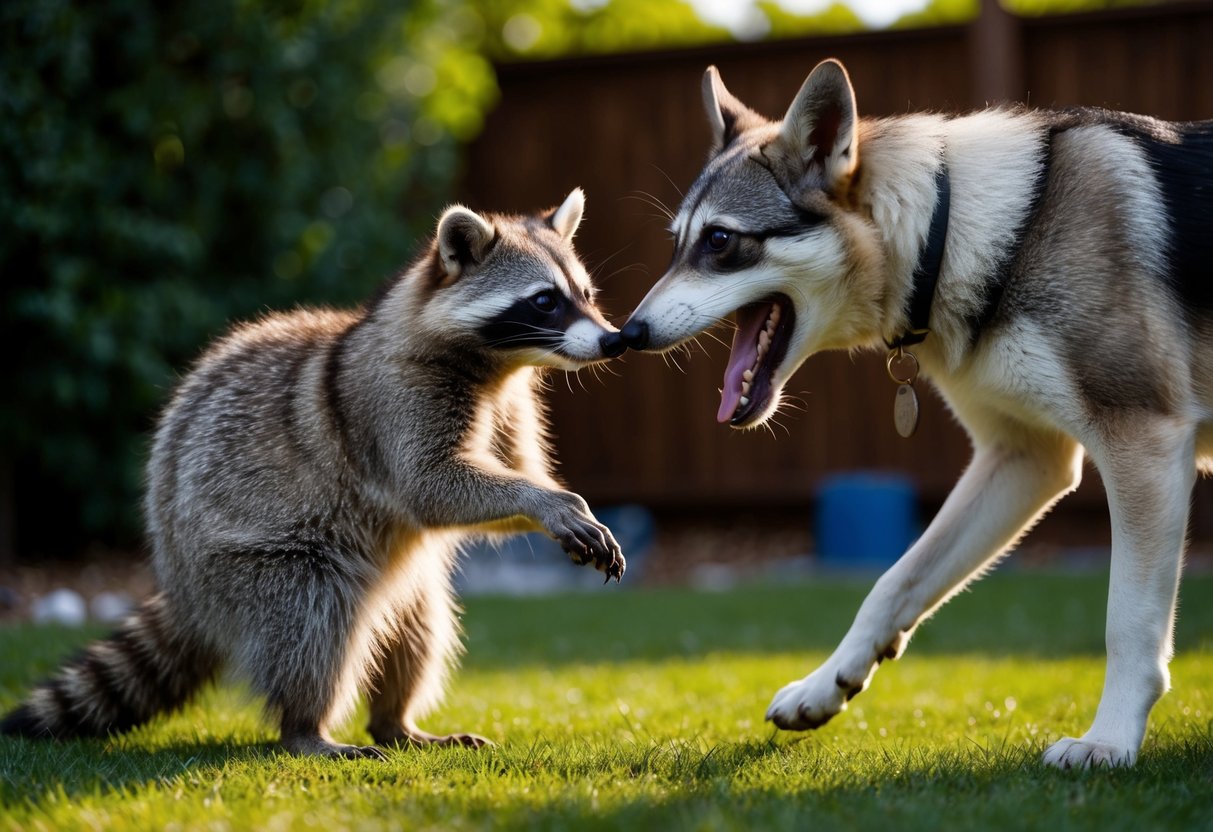
Maintaining safety for your pets while managing wildlife is essential. Understanding animal control policies and how to prevent potential attacks can help protect your dog from raccoons.
Animal Control Policies
Local animal control policies are important for your pet’s safety. They often include guidelines on how to report wildlife sightings and concerns. In many areas, authorities work with wildlife biologists to monitor local populations and advise on safe practices.
It’s wise to check if there are any specific regulations in your area regarding raccoons. These may include secure trash disposal and limiting food sources that attract wildlife. A proactive approach can reduce conflicts. Remember, raccoons can carry diseases like rabies, so ensuring your pet is vaccinated is crucial.
Preventing and Managing Attacks
Preventing encounters with raccoons is vital. Start by keeping your dog leashed during walks. This is especially important at night when raccoons are more active.
Be mindful of leaving food outside. Secure your trash and compost bins to avoid attracting these animals. If a raccoon approaches, try to remain calm and call your dog back to you.
In case of an altercation, know that raccoons can be aggressive if threatened. If your dog gets into a fight, you should separate them carefully. Focus first on pulling the raccoon away. Afterward, check your dog for any injuries, and contact your veterinarian if necessary.


