
Most people picture lions lounging on grassy plains, but, surprisingly, some actually live and hunt right at the edge of deserts. Yes — lions can survive in desert and semi-arid regions, though they depend on special behaviors, smaller groups, and whatever water and prey they can find nearby.

Let’s look at how these lions change their habits, where they manage to find water and food, and why conservation really matters for these fragile groups.
You’ll see real examples from places like Namibia and the Kalahari. These stories show both the surprising strengths and the tough limits of desert life.
How Lions Survive in Desert Environments

Lions in dry places get by with group hunting, clever water use, and physical traits that help them handle heat and save water.
Let’s talk about where these lions live, how they adapt, and the tricks they use to hunt and stay hydrated.
Lions That Live in Deserts
Some African lions actually live right on the edges of real deserts. You’ll find small groups of desert-adapted lions in Namibia’s Namib region and around the Kalahari edges.
These lions are still Pantera leo, but their prides are smaller than those on the savanna.
Desert prides usually have fewer adult males and more closely related lionesses who hunt together.
They roam farther between kills because prey like oryx and springbok are much more spread out.
Unlike the coastal lions that sometimes eat seals, Namib and Kalahari lions mostly hunt antelope and smaller mammals.
Food and water are always scarce for them. That shapes everything about their behavior.
They breed and move in ways that cut down competition and give their cubs a better shot at surviving tough years.
Key Physical and Behavioral Adaptations
Desert lions show some obvious physical differences. Many have lighter, shorter manes that help them dump heat.
Their coats blend in with the sandy colors of the dunes and scrub, making it easier for them to stay hidden while stalking prey.
You’ll notice their prides are smaller, which means fewer mouths to feed. Individual lions have to travel farther each day.
They rest in shade or on shallow dunes during the hottest hours, save energy, and only get moving when it cools down.
Some desert lions even change when they breed. They disperse and breed faster, which helps the population survive when prey is unpredictable.
Diet and Water Conservation Strategies
Desert lions mostly get their water from the prey they eat. When water is hard to find, the blood and organs of oryx, springbok, and other animals provide most of the moisture they need.
They eat their kills quickly to grab fluids before scavengers show up.
Because big prey isn’t always around, they go after smaller animals like porcupines, hares, and little antelope more often than their savanna cousins.
A single big kill can feed a pride for days, so they make it last.
Lions save water by changing how they behave. They cut back on activity during the day.
They pant less than some other animals and rest in the shade to keep cool. This combination means they don’t need to find water as often.
Hunting Tactics and Night Activity
Desert lions hunt mostly at night. Cooler temperatures let them chase prey without overheating.
Their night vision is impressive—those big pupils and the shiny tapetum lucidum layer in their eyes make it easier to see in the dark.
They rely on stealth and quick bursts of speed. Dunes, bushes, and shadows help them sneak up on oryx and springbok.
Lionesses usually lead the hunt, working together to flank and ambush prey. Smaller groups actually make it easier to coordinate in open, sparse terrain.
They time their hunts to match prey activity. If oryx feed at dawn, lions might wait for early morning or late evening.
When prey is really scarce, lions target weaker or younger animals and sometimes scavenge from hyena or jackal kills to save energy.
Challenges and Conservation of Desert Lion Populations
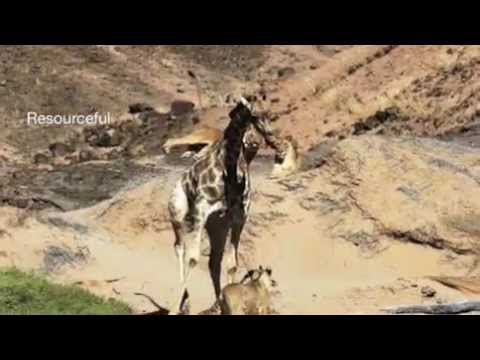
Desert lions deal with shrinking space, more run-ins with people over livestock, and growing threats from drought and illegal hunting.
Park programs and community teams try to track lions, reduce conflict, and keep populations connected, but it’s an uphill battle.
Habitat Loss and Human-Wildlife Conflict
Desert lion ranges keep getting sliced up by farms, fences, and expanding towns.
When waterholes dry up and prey like gemsbok disappear, lions wander closer to villages and sometimes go after goats or cattle.
That can lead to people retaliating with guns or poison.
Protected areas like national parks help a bit, but a lot of desert lions live outside those parks on communal lands.
Community conservancies that get support for predator-proof bomas, herding dogs, or compensation from tourism can make a real difference.
These steps help cut down livestock losses and reduce the number of lions killed by people.
Impacts of Climate Change and Poaching
Hotter, drier seasons make things much harder. Fewer big herbivores means lions have to walk farther, cubs end up weaker, and more cubs die.
Droughts push animals to gather around shrinking waterholes, which ramps up disease and conflict.
Poaching and the illegal wildlife trade just add to the pressure.
Even if poachers target other animals, taking away herbivores or killing lions for trophies or skins hurts the desert lion population.
Both local and cross-border poaching networks stay active in these remote desert regions.
Conservation Efforts and Protecting Lions
You can jump in and support projects that collar and track lions. These efforts help us figure out where lions travel and highlight conflict hotspots.
With radio and GPS tracking, researchers spot the best places for wildlife corridors. That way, desert groups can actually stay connected to savanna populations.
Community-centered programs usually work better than top-down ones. If locals earn money from tourism or learn how to manage livestock safely, they’re much less likely to kill lions.
Anti-poaching patrols and legal protection make a real difference. Targeted outreach helps, too.
International partnerships and research teams often step in with funding for monitoring, conflict response, and habitat protection. That support keeps desert lion populations hanging on.
- Key actions: GPS tracking, predator-proof bomas, community tourism shares, and anti-poaching patrols.
- Who benefits: lionesses raising cubs, local herders, and regional wildlife managers.


