
Ever wondered if a gorilla and a chimpanzee could have babies together? They do look a bit alike, and hey, they’re both great apes. It’s a fun question to think about. But honestly, once you dig into the facts, you’ll see their differences go way beyond appearances.

Here’s the bottom line: gorillas and chimpanzees can’t breed because their DNA and chromosomes don’t match up. Sure, they share a distant ancestor, but millions of years of separate evolution have set them apart in ways you can’t just see on the outside.
Their bodies and genes just don’t fit together for making babies.
People still get curious about rumors of strange apes that seem like half gorilla, half chimpanzee. If you want to know why those stories don’t hold up—and what really makes gorillas and chimps so different—let’s get into the science behind it.
Can a Gorilla Breed with a Chimpanzee?
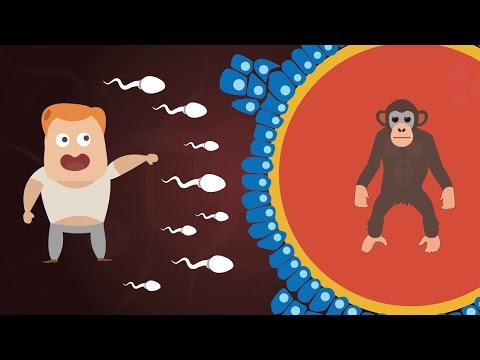
It’s a fair question: could gorillas and chimpanzees ever have babies together? They do look a bit similar, after all.
But there are some pretty big biological reasons why that’s just not possible. Their genetic makeup, the way their chromosomes are built, and even old hybrid stories all point to the same answer—nope, it can’t happen.
Genetic Barriers to Hybridization
Gorillas and chimpanzees differ a lot in their DNA. Both count as great apes, but their genes are arranged in ways that just don’t work together.
Because of this mismatch, their sperm and eggs can’t combine properly. When you look at it from a genetic angle, fertilization simply doesn’t happen.
That gap in their DNA is just too wide. So, even if they look related, they can’t make a baby together.
Differences in Chromosome Numbers
Gorillas and chimpanzees both have 24 pairs of chromosomes. But here’s the catch: the way those chromosomes line up isn’t the same.
Chromosomes carry the blueprints for a baby to develop. If they don’t match up during breeding, fertilization won’t work.
So, just having the same number doesn’t mean much. Their chromosome structures are just too different for a pregnancy to succeed.
Historical Claims and Myths Like Koolakamba
People love to tell stories about mysterious apes that seem like a cross between a gorilla and a chimpanzee. The Koolakamba is a classic example—supposedly an ape with features from both.
But scientists haven’t found any solid proof that these hybrids exist. Most of these tales probably come from misidentified animals or just odd-looking apes.
Even famous cases, like the ape named Oliver, turned out to be unusual chimpanzees, not hybrids at all.
Comparing Gorillas and Chimpanzees

It’s easy to spot big differences between gorillas and chimpanzees when you look at how they live and act. Their bodies, social groups, and family trees all show off their unique styles.
Physical and Behavioral Differences
Gorillas are way bigger and stronger than chimpanzees. If you see them side by side, gorillas have huge, bulky bodies, broad chests, and shorter arms compared to their legs.
Chimpanzees are smaller, with leaner bodies and longer arms that make swinging through trees a breeze.
When it comes to behavior, gorillas mostly eat plants and move at a slower pace. Chimpanzees mix it up—they eat plants and meat, and they’re always on the go, often using tools to grab food.
You’ll see chimps playing and socializing a lot, while gorillas usually seem more relaxed and quieter.
Some quick facts:
- Gorillas: Can weigh up to 400 pounds, mostly vegetarian, and pretty quiet.
- Chimpanzees: Usually 100-150 pounds, eat a bit of everything, and are super active and vocal.
Habitat and Social Structure
Both gorillas and chimpanzees live in parts of Africa, sometimes even in the same forests. But they use their space in different ways.
Gorillas spend most of their time on the ground in thick forests. Chimpanzees split their time between the trees and the ground.
Their social lives don’t look the same, either. Gorillas stick to smaller groups, usually 10 to 30, with one dominant silverback leading the way.
Chimpanzees hang out in much bigger groups, sometimes over 100, with an alpha male in charge and lots of shifting alliances.
To sum up:
- Gorillas: Small, mostly peaceful groups, and they stick to the forest floor.
- Chimpanzees: Big, lively groups, with action both on the ground and up in the trees.
Evolutionary Relationships
Gorillas and chimpanzees had a distant common ancestor, but over millions of years, they went their own ways. If you look at their DNA, you’ll spot plenty of differences—especially in how their chromosomes line up—which means they just can’t have babies together.
Both belong to the great ape family, sure, but their evolutionary paths really branch off like distant relatives on a family tree. That gap explains why their bodies, habits, and mating behaviors seem so different.
So, even if they look kind of similar, there’s just no way they could breed. If you’re curious, here’s more on the genetic differences between gorillas and chimpanzees.


