
So, you’ve probably heard wild stories or rumors about humans and chimpanzees somehow having babies together. Sounds like pure science fiction, right? In reality, a chimpanzee and a human can’t have a baby together because of big genetic and biological differences.

Even though humans and chimps share a good chunk of DNA, the difference in chromosome numbers and the way our bodies work make it impossible for an embryo to form. Our bodies just aren’t built for this kind of hybrid baby.
If you’re curious and want to know what science actually says, let’s dig into the facts behind why this can’t happen. Biology has some pretty hard limits here.
Genetic And Biological Barriers
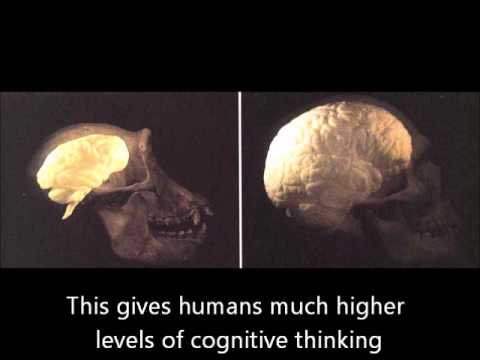
Humans and chimpanzees do share a lot of DNA, but several major genetic and biological differences stop them from having babies together. These differences pop up in chromosome numbers, reproductive systems, and early embryo development.
Differences in Chromosome Numbers
Humans have 46 chromosomes in 23 pairs. Chimpanzees have 48 chromosomes in 24 pairs.
Here’s something interesting: human chromosome 2 is actually two chimp chromosomes fused together.
When sperm and egg combine, their chromosomes need to match up for a healthy embryo. If the numbers don’t match, the embryo just can’t develop right. So, your cells and a chimp’s cells won’t pair up after fertilization, and no baby can form.
Reproductive Compatibility
Even if you ignore chromosomes, the reproductive systems don’t match up at all. Human and chimpanzee reproductive organs are different in both size and shape, so natural mating just doesn’t work.
Their fertility cycles are out of sync too. Chimpanzee estrus and human menstrual cycles have different timing and hormone patterns. That means sperm and egg aren’t ready at the same time, making fertilization almost impossible.
Plus, sperm and eggs from each species usually won’t fuse because of species-specific proteins. Your immune system would probably attack any foreign cells, making things even harder.
Embryonic Development Challenges
Let’s say fertilization somehow happened. The embryo would run into huge problems almost immediately.
Genes that control growth, brain development, and body structure have evolved differently in each species. That messes up how cells divide and organize.
The embryo would probably stop developing very early or fail to implant in the uterus at all. Even tiny genetic mismatches can stop development long before a baby could grow.
All of these barriers make it biologically impossible for humans and chimpanzees to have offspring together.
If you want to dive deeper into chromosome differences, check out why humans and chimps can’t breed with each other from knowanimals.com.
Historical Experiments and Scientific Views

People have tried to test whether humans and chimpanzees could have babies together, but these attempts have been rare and, well, unsuccessful. Still, myths and misunderstandings keep popping up. The science behind hybridization also brings up some pretty tough ethical questions.
Scientists’ Attempts and Myths
Back in the 1920s, Soviet biologist Ilya Ivanov tried inseminating female chimpanzees with human sperm. None of his experiments led to pregnancy.
Later, rumors popped up about similar attempts in China during the 1960s, but nobody’s confirmed those stories.
Some folks thought a chimpanzee named Oliver was a “humanzee” because he looked and acted oddly. But when scientists tested his DNA, he turned out to be just a regular chimpanzee—nothing human about it. These stories show how little real evidence there is for actual hybrids.
Ethics of Hybridization Research
Trying to create human-animal hybrids raises tricky ethical issues. Scientists worry about animal welfare and the moral questions that come with creating life forms that blur species lines.
Because chimps are smart and emotionally complex, experiments like these can cause harm that goes way beyond just physical health. A lot of people believe research should avoid crossing these ethical boundaries, especially when it risks suffering or blurring the natural line between humans and animals.
Popular Misconceptions
People often claim that humans and chimpanzees could easily interbreed since we share about 99% of our DNA. But honestly, having similar genes doesn’t mean we can just produce hybrid offspring.
The difference in chromosome numbers gets in the way—humans have 23 pairs, while chimpanzees have 24. That makes safe or viable hybrid babies pretty much impossible.
Some conspiracy theories float around, saying scientists have already created “humanzees” in secret. But these claims don’t have any scientific proof, and they skip over the real biological barriers involved.
If you’re curious about those early attempts, check out the humanzee article.


